

Blue-Green Algae Closures Take Heavy Toll on Northern Ireland Lakes
Toxic algal blooms return to Northern Ireland water systems, dealing a severe blow to local businesses and summer tourism.
Stock photo for illustration only, not from the actual event
- Northern Ireland water systems record 248 blue-green algae blooms across lakes
- Local businesses and watersports face sharp decline in visitors during peak summer
- Scientists point to accumulated sediment phosphorus and runoff as root causes
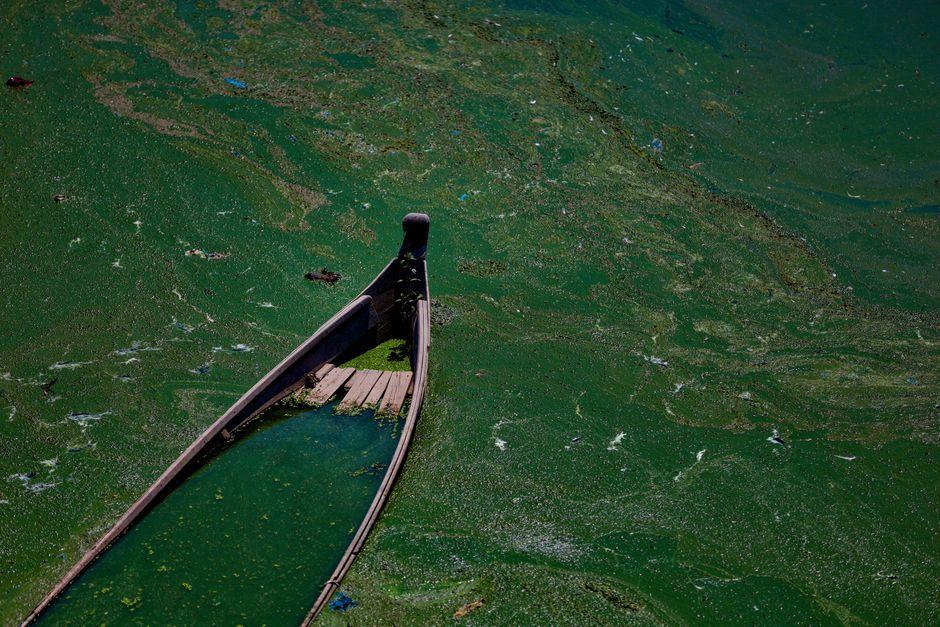
As locals and visitors make the trip to Northern Ireland's lakes in search of summer sunshine, they are once again facing an unwelcome sight: blue-green algae. The toxic bacteria, which can cause skin irritation and sickness in people and animals who come into contact with it, has become an unwelcome feature of recent summers.
According to the UK Centre for Ecology and Hydrology, there are currently 248 algae blooms across Lough Neagh and Northern Ireland's water systems. Eighty have been confirmed in June and July alone. Meanwhile, the Department of Agriculture, Environment and Rural Affairs (Daera) stated that two of the affected areas were Camlough Lake near Newry and Craigavon Lakes.
For Karl Toner, who owns a coffee cart on the shore of Camlough Lake alongside a glamping site and paddleboard hire business, the return of the algae has had an immediate and damaging impact since warnings were issued on 13 July.
Stock photo for illustration only, not from the actual event
"In the summertime this place really goes off, now the algae has just completely killed it."
Toner explained that warm weather typically brings visitors from across Northern Ireland and beyond, providing a significant trade boost. On a good day, hundreds of people would enjoy the lake from morning until midnight, but the area is now left empty. Newry, Mourne and Down District Council stated it was notified by Daera on 13 July and erected warning signs immediately while carrying out regular visual monitoring and toxin testing.
Blue-green algae blooms (Cyanobacteria) thrive during warm, stable weather conditions and are heavily fueled by excess nutrient runoff, particularly phosphorus. The recurring crisis in Lough Neagh highlights the complex ecological challenges facing regional waterways, requiring strict nutrient management at the source rather than temporary surface fixes.
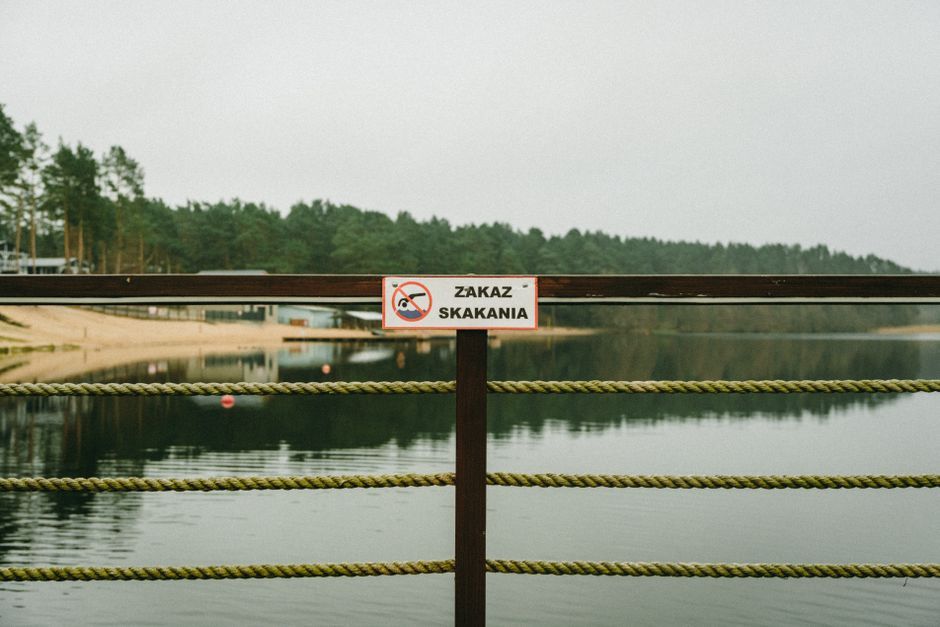
At Craigavon Lakes, a spokesperson for Armagh City, Banbridge and Craigavon Borough Council announced that watersports activities and open-water swimming were suspended on 21 July due to the algal presence, with restrictions remaining in place until conditions are deemed safe.
Source: BBC Science & Environment
Found something wrong in this article? Report an issue with this article
Comments
Leave a Comment