

US borrowing costs rise as attempts to ease rates prove short-lived
Long-term US borrowing costs rise to around 5.27% despite Treasury buyback efforts, as national debt surpasses the $40tn milestone.
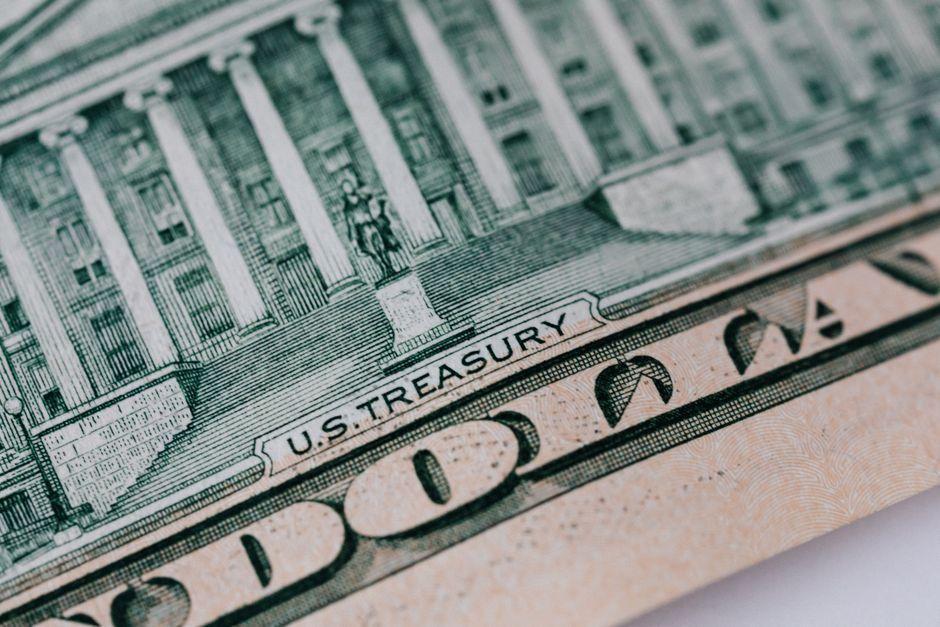
Stock photo for illustration only, not from the actual event
- The US Treasury bought back debt in an effort to lower bond market yields.
- Interest rates on 30-year bonds rebounded to approximately 5.27% on Friday.
- US national debt crossed the $40tn milestone following a decade of heavy spending.
- Economists noted that the intervention's downward pressure proved temporary.
Long-term borrowing costs in the United States have climbed again despite an intervention announcement from the government aimed at pushing rates lower. Earlier in the week, the Treasury Department stated it would purchase more debt to reduce the rates charged by investors on global bond markets, which are relied upon by governments and major corporations to raise capital.
Although yields on 30-year borrowing eased immediately following the intervention, they have since resumed an upward trajectory. Such market shifts directly impact consumer products including mortgage rates and car loans. By Friday, the interest rate on 30-year bonds had risen back to roughly 5.27%, down only slightly from an almost two-decade high of 5.34% prior to dipping to 5.18% earlier in the week.
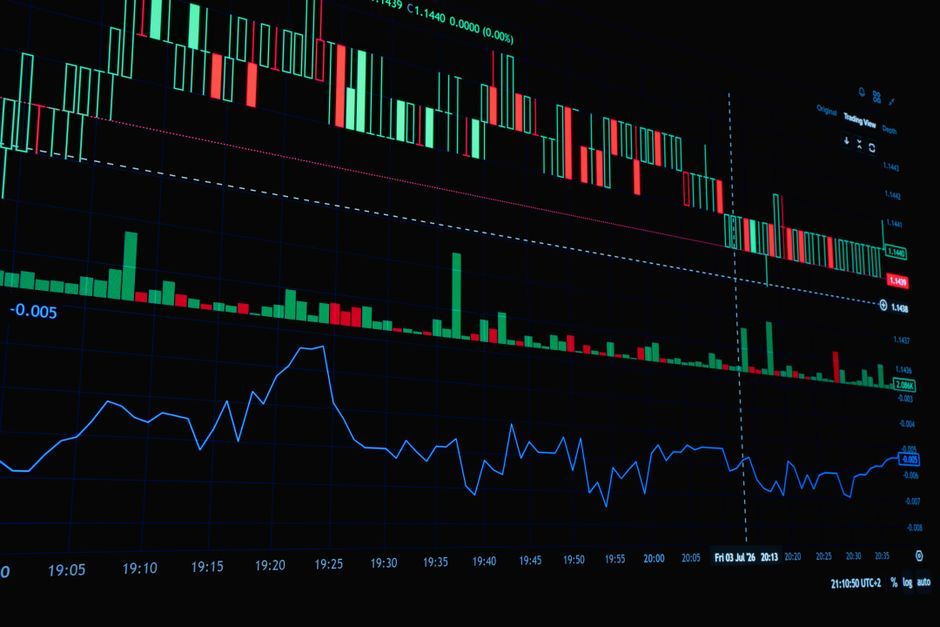
Stock photo for illustration only, not from the actual event
Economists pointed out that the surprise strategy implemented by the US government offered only temporary relief as persistent concerns remained over daunting national debt levels, which recently surpassed $40tn or roughly £29.4tn. This milestone represents a more than doubling of the debt over the past decade from just under $20tn in 2016, driven by years of heavy spending under both the Trump and Biden administrations alongside rising interest payments.
Treasury Secretary Scott Bessent, who spearheaded the effort to buy back government debt to boost demand and lower rates, sought to lay blame on the Biden administration for the current economic landscape. Speaking to US media outlets on Thursday, he asserted that the situation was not created overnight and that his administration was left to manage a severe mess.
"We did not get here in a day, we were left with a mess."
Scott Bessent
Analysts at Capital Economics remarked that the intervention served primarily as a signalling mechanism to show the Treasury is prepared to act near current yield levels, rather than an effective long-term solution, given that the initial drop in 30-year yields has now been entirely reversed. Market sentiment has also been heavily pressured by rising oil prices stemming from the US-Iran conflict and substantial cash borrowing by technology firms to fund Artificial Intelligence (AI) development where return timelines remain ambiguous.
The failure of short-term Treasury interventions to permanently suppress rising bond yields highlights the deep structural anxieties within global debt markets. As public spending outpaces tax revenues and national liabilities scale unprecedented heights, broader financial systems absorb the shock through a weakening US dollar and a surge in safe-haven assets like gold, which climbed to a three-month high amid mounting economic uncertainty.
Source: BBC Business
Found something wrong in this article? Report an issue with this article
Comments
Leave a Comment