

Russia faces petrol shortage as drone strikes hit oil facilities
BBC reporter Steve Rosenberg highlights long fuel queues across Moscow, temporary Euro 2 petrol sales, and Flag Day military displays amid the Ukraine war.
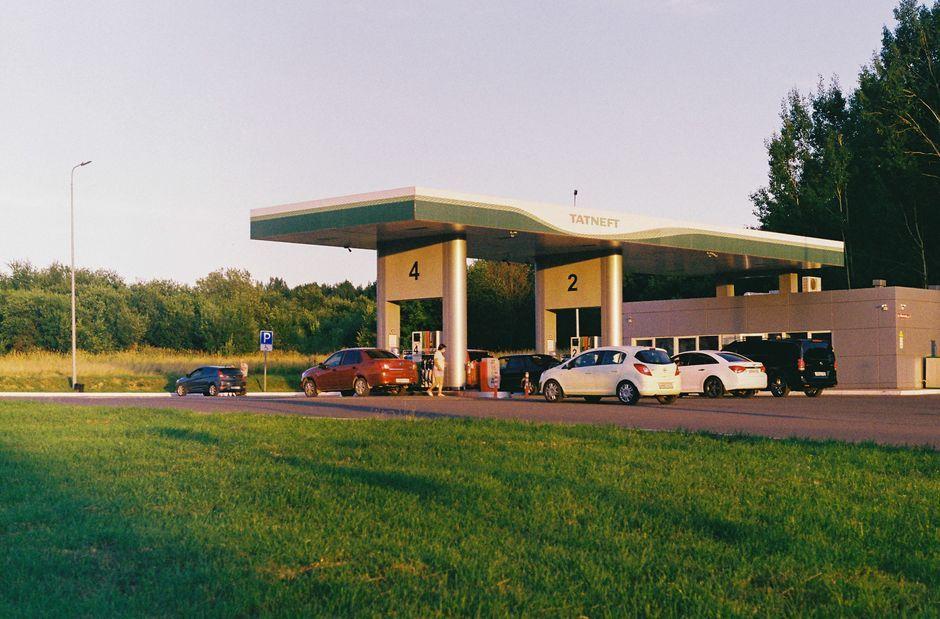
Stock photo for illustration only, not from the actual event
- Drivers in Moscow queue for hours at petrol stations following refinery drone strikes
- Russia resorts to importing fuel and reintroducing lower-grade Euro 2 petrol
- Attacks on Wildberries distribution centers add to economic pain for shoppers
- Flag Day celebrations feature military hardware displays and weapon handling for kids
At a petrol station in the south-east of Moscow, Svyatoslav has spent two hours queuing in his car before the signboard ahead changes to indicate that fuel has completely run out. Even if he chose to drive off in search of another location, there would be no quick fuel fix for him, as long queues for petrol have plagued Moscow and other parts of Russia throughout the week.
Russian officials explain that unscheduled repairs at oil refineries have triggered these shortages. These repairs were necessitated by Ukrainian long-range drone strikes targeting Russian oil facilities, continuing a wave of attacks that sparked major fuel shortages earlier this summer and persist at a rapid pace.
This time, the queues in Moscow are even longer than before, suggesting that authorities are struggling to resolve ongoing problems with refining capacity and logistics. The broadsheet Nezavisimaya Gazeta declared this week that the second wave of the fuel crisis is actively building.
Driving around Moscow reveals two starkly contrasting sights: giant patriotic billboards celebrating Russian Flag Day alongside massive petrol queues. Outside one petrol station in the capital, 80 vehicles are counted waiting in line, turning the daily search for fuel into a constant struggle.
Stock photo for illustration only, not from the actual event
To stay calm while waiting in the queue, Lyubov strokes her pet dog Agatha, noting that all petrol stations along her drive to Moscow were completely empty. To ease the mounting crisis, Russia has begun importing petrol—an extraordinary measure for a recognized energy superpower and one of the world's leading crude oil exporters.
Additionally, the government has temporarily authorized the production and sale of lower-grade petrol, such as Euro 2, which is faster to produce. Euro 2 contains up to 50 times more sulphur than modern Euro 5 fuel and had been officially banned in Russia since 2013.
The decision to import petrol and bring back banned low-grade fuels like Euro 2 underscores how international sanctions and sustained drone strikes are deeply straining Russia's domestic energy network. It highlights the widening gap between Moscow's status as a global energy giant and the reality of its constrained domestic refining capabilities under prolonged wartime conditions.
The war's toll extends beyond the energy sector. Ukrainian strikes on distribution centers belonging to Wildberries, Russia's equivalent of Amazon, have disrupted shoppers and caused severe economic pain for independent sellers. Despite this, the Kremlin leader played down the severity, claiming there have been no critical consequences from such attacks.
Kolesnikov notes the psychological toll, stating that a permanent feeling of anxiety accompanies everyone right now, creating an underlying sense that something is fundamentally wrong and making anxiety the primary sentiment.
A few minutes' drive from where Svyatoslav was interviewed, another long queue forms not for fuel, but for local authority stalls and a street concert marking Russian Flag Day. While petrol may be scarce, patriotism is displayed in abundance as volunteers hand out Russian tricolours to people on the square.
Alongside candyfloss, Kalashnikov assault rifles are openly displayed. At one stall, children are shown an array of military hardware, including hand-held rocket launchers, and are encouraged to pick up the weapons and pose with them, highlighting the growing militarisation of Russian society.
While these patriotic presentations lift some spirits, the reality of the war remains foremost in people's minds, particularly the ongoing drone attacks. Comments from residents suggest a growing resignation that they cannot influence events around them, leaving adaptation as their only remaining option.
Source: BBC World
Found something wrong in this article? Report an issue with this article
Comments
Leave a Comment