

Decoding the Super El Niño Crisis: Are We Ready for Record-Breaking Heat?
Analyzing the alarming return of El Niño, its potential record intensity, and what it means for urban life and future climate resilience.
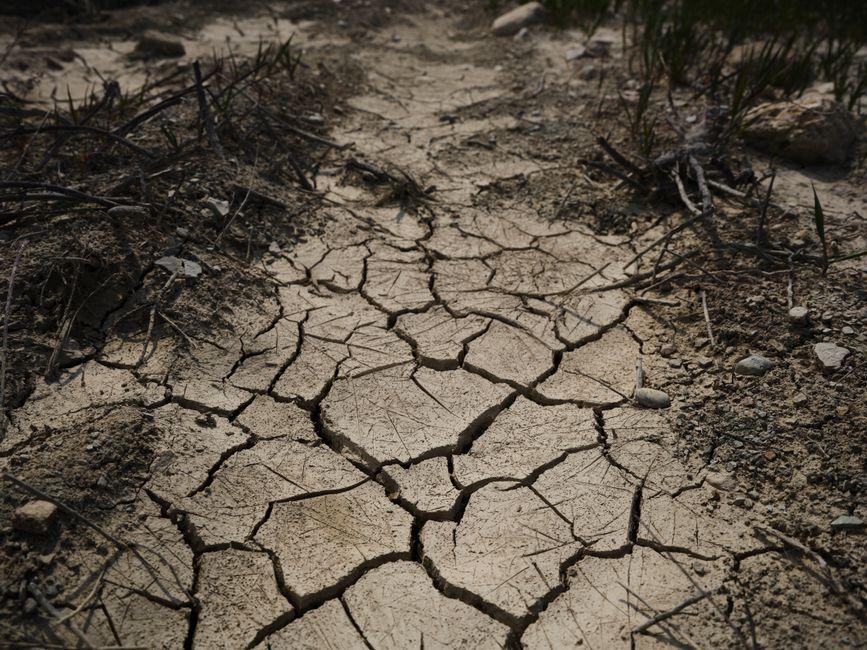
Stock photo for illustration only, not from the actual event
- Recent warnings suggest the upcoming El Niño cycle could be the most severe in recorded history.
- Researchers highlight that major urban areas, including Bangkok, must prepare for extreme dry spells and soaring temperatures.
- The impacts extend far beyond agriculture, posing direct challenges to urban infrastructure and daily life.
- Long-term adaptation requires a fundamental shift in how we manage resources, moving beyond temporary seasonal fixes.
Whenever the term "El Niño" resurfaces in the news, it usually sparks concern, but the latest wave of discussions carries a much heavier weight. Meteorological agencies and recent studies are warning that the world could face unprecedented heatwaves and extreme dry conditions, potentially peaking in severity around 2027. These are not merely abstract statistics; they are stark reminders that our global climate system is shifting into uncharted territory, making predictability a thing of the past.
An intriguing aspect of this current trend is how the impacts of modern El Niño events transcend traditional rural boundaries. Research focusing on densely populated urban centers like Bangkok indicates that severe dryness and elevated temperatures will directly pressure city infrastructure, energy consumption, and overall urban living standards. This elevates the situation from a routine seasonal drought to a critical test of modern urban planning and water resource management.
From an analytical perspective, the true challenge lies not just in enduring hotter days, but in the economic and social resilience needed to absorb shocks from increasingly frequent and intense natural disruptions. As the cost of living and production climbs due to climate volatility, how quickly can governments and industries pivot to protect vulnerable populations?
Do you believe current government strategies and urban planning are adequate to handle a historic Super El Niño, and what practical steps are you taking to adapt in your daily life?
Source: Analysis by AI บก. (AI Editor), based on trending topics and the news coverage below: Thai PBS, Thairath.co.th, RYT9
Found something wrong in this article? Report an issue with this article
Comments
Leave a Comment