

Phumtham urged aid as GISTDA warns of floods in 3 provinces
Former Pheu Thai spokesperson Phumphong Naraphit urges urgent flood relief in Nan and calls on authorities to monitor Sukhothai, Phitsanulok, and Uttaradit.
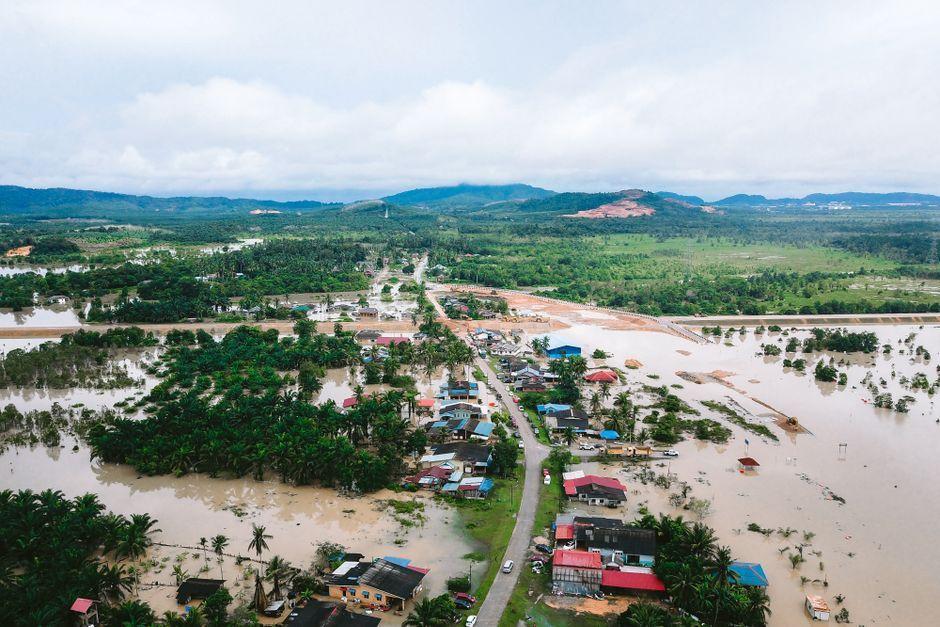
Stock photo for illustration only, not from the actual event
- Phumphong Naraphit urges swift flood relief in Nan following 3 reported fatalities
- GISTDA data on Aug 21 warns of over 3,900 sq km at risk of flooding
- Sukhothai, Phitsanulok, and Uttaradit placed on high alert for upcoming water runoff
- Calls for faster bureaucratic processes and early warning systems for residents
On August 22, 2026, former Pheu Thai party spokesperson Phumphong Naraphit addressed the ongoing flood situation in Nan province, noting that while recovery efforts have begun in several areas, local residents still face severe hardships. Homes, roads, vehicles, agricultural areas, and shops have suffered extensive damage, with three fatalities officially reported. He emphasized that the disaster must serve as a critical lesson for other vulnerable regions to prepare before severe damage occurs.
Referring to data from GISTDA on August 21 at 09:29 AM from its water monitoring system, Phumphong pointed out that high-risk areas cover over 3,900 square kilometers of river basins in Sukhothai, Phitsanulok, and nearby areas. Meanwhile, the Department of Disaster Prevention and Mitigation (DDPM) has also urged close monitoring in Uttaradit, Sukhothai, and Phitsanulok, stressing that authorities must act on risk data rather than waiting for floodwaters to reach residential areas.
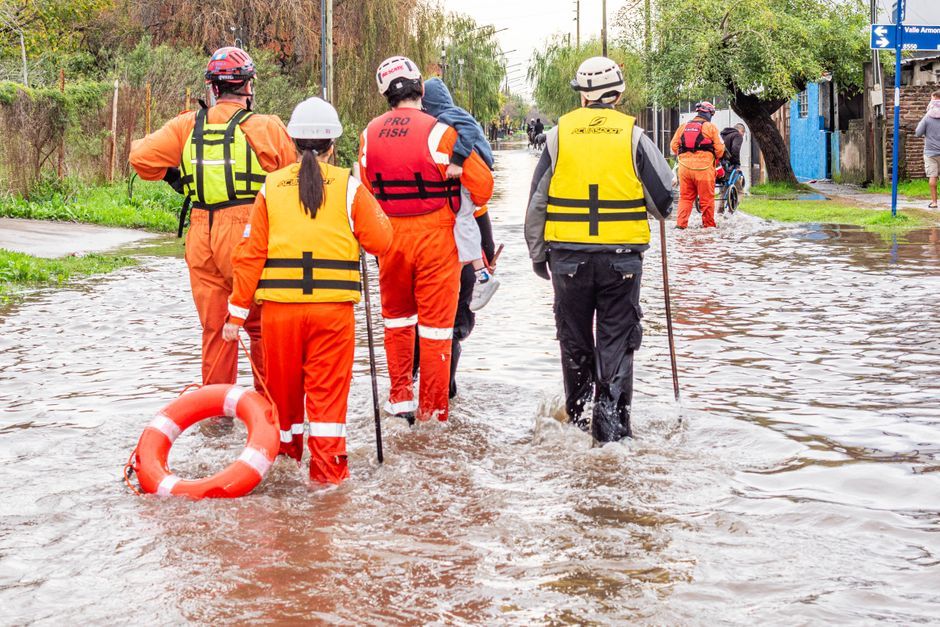
Stock photo for illustration only, not from the actual event
Phumphong presented three urgent demands to the government. First, post-flood recovery in Nan must not slow down; authorities must accelerate the cleanup of mud, debris, wastewater, and public health issues. Damage assessment and financial relief must be conducted proactively with minimal paperwork, alongside debt suspension measures and low-interest loans for affected farmers and business owners so that the system reaches the people directly.
"We cannot stop water from coming, but we can reduce losses if we know in advance and warn in time. The success of water management is not measured by data sets or operation centers, but by whether information reaches citizens promptly."
Phumphong Naraphit
Second, Uttaradit, Sukhothai, and Phitsanulok must prepare ahead of the floods by utilizing GISTDA data to identify waterways, risk zones, and evacuation routes for vulnerable groups such as the elderly and disabled, while preparing equipment like water pumps, vehicles, and temporary shelters. Third, critical data and evacuation warnings must reach citizens before floodwaters arrive, utilizing local community insights to ensure all agencies operate under unified commands.
Flood crises in Thailand frequently highlight systemic challenges in disaster response, particularly regarding delays in financial compensation and coordination between central and local agencies. Integrating GISTDA satellite telemetry with community-level warning networks is vital for minimizing casualties and property damage. However, the true test lies in execution speed—converting technical data into timely, life-saving evacuation actions on the ground.
Source: Khaosod Politics
Found something wrong in this article? Report an issue with this article
Comments
Leave a Comment