

Inside Taliban-Ruled Afghanistan: Divorce, Past Guards and Control
BBC offers a rare glimpse into Taliban rule in Afghanistan after five years, covering divorce disputes, smartphones, and former Guantanamo detainees.
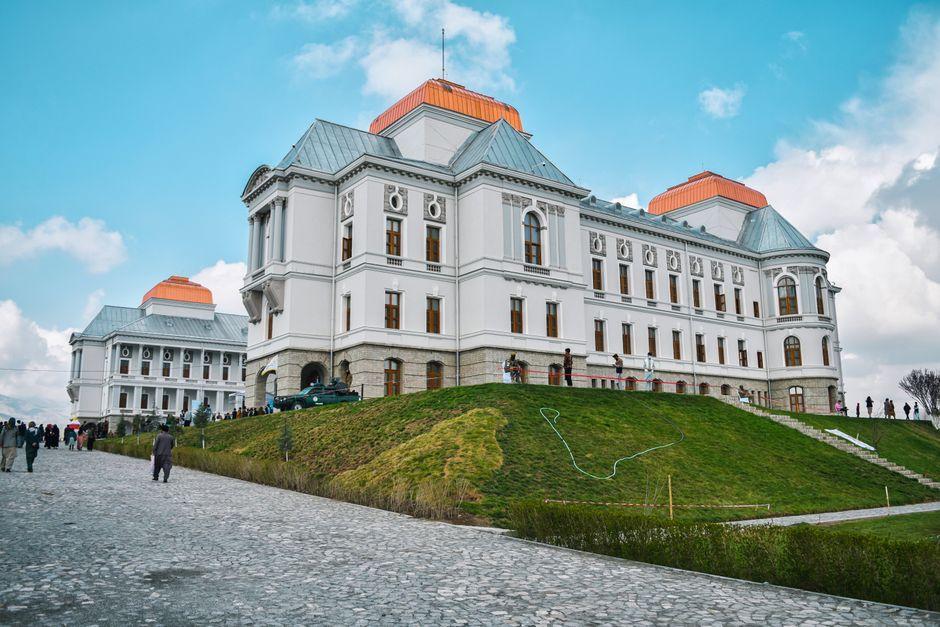
Stock photo for illustration only, not from the actual event
- The BBC gained rare access to influential figures within the Taliban movement over a two-year period.
- An 18-year-old Afghan woman bravely requested a divorce from her abusive husband before a local governor.
- Governor Abdullah Sarhadi admitted to destroying ancient Bamiyan Buddha statues with his own hands.
- Former suicide attack operations commander Habibullah Badr now holds senior administrative roles.
The BBC has published an in-depth report revealing the day-to-day realities of life under Taliban rule in Afghanistan, following a two-year investigative access period. The encounters brought reporters close to influential figures within the movement—men who previously planned suicide attacks or spent years in clandestine hideouts, but now serve as official governors and military commanders following the collapse of the US-backed government in 2021.
One striking encounter took place in the office of the governor of Jawzjan province in northern Afghanistan. An 18-year-old woman, her face completely obscured by a full veil and sunglasses, calmly and confidently argued her case for a divorce. She accused her husband of months of abuse and beatings. Her bold stance unfolds in a country where women are barred from secondary education, excluded from universities, and strictly forbidden from traveling alone or visiting public parks.
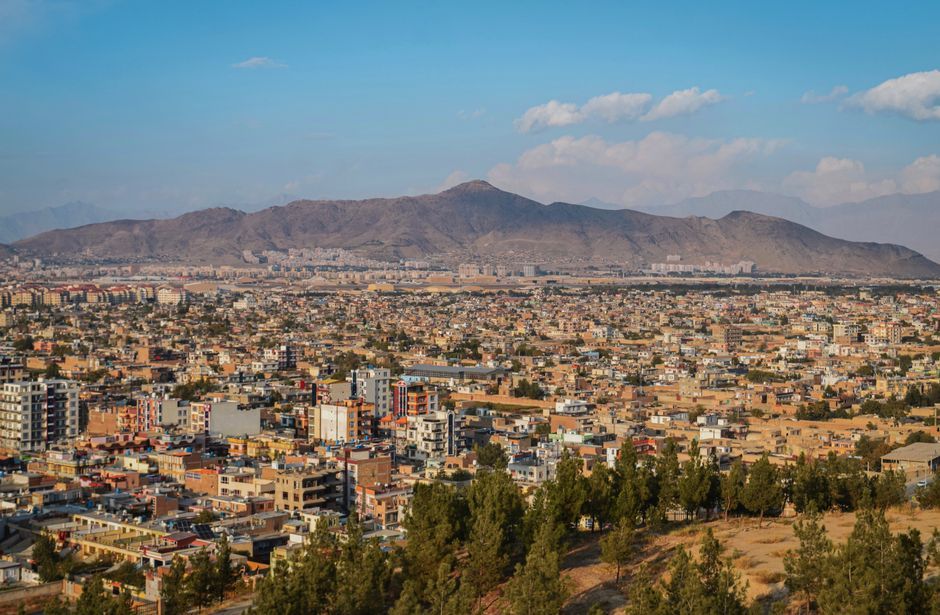
Stock photo for illustration only, not from the actual event
The official presiding over the dispute is Abdullah Sarhadi, a former military commander during the Taliban's initial regime in the 1990s who was subsequently held for several years in US detention at Guantanamo Bay. After the Taliban regained power, he served as governor in Bamiyan and Sheberghan city, later becoming deputy commander of a military corps in Kunduz province. During the mediation, Sarhadi suggested she remain in the marriage, to which she firmly replied that her honor and dignity had already been ruined, while her husband demanded four times the original marriage sum in return.
This unprecedented access granted by the Taliban underscores a calculated effort by the leadership to project an image of reasonableness and administrative control to international observers. However, the stark contrast between these diplomatic facades and the severe restrictions placed on ordinary citizens—particularly women—highlights the persistent harsh realities of their hard-line governance.
Sarhadi also addressed his involvement in one of the most condemned acts of the Taliban's first regime: the destruction of the ancient giant Buddha statues in Bamiyan. After initially attempting to evade questions about the archaeological site, he eventually admitted to reporters that he destroyed the monuments with his own hands.
In Kabul, the BBC met with Habibullah Badr, another senior Taliban figure who transitioned from leading suicide attack operations to holding official administrative roles, including deputy head of prisons. While driving through the city in an armored vehicle, Badr defended past attacks by claiming operations targeted foreign convoys, though he consistently avoided answering questions regarding civilian casualties in populated urban areas.
Source: BBC World
Found something wrong in this article? Report an issue with this article
Comments
Leave a Comment