

CinderClock 3D Printed Alarm Clock with Arcade Button
Endothermal Systems introduces CinderClock, a 3D-printed standalone alarm clock featuring a giant arcade button and mechanical interface.

Stock photo for illustration only, not from the actual event
- CinderClock is a 3D-printed standalone desktop alarm clock
- Features a mechanical interface and a giant arcade button
- Calculates sunrise and sunset locally without internet
- Designed to keep smartphones away from sleep routines
The project grew from the designers' frustration with using smartphones as alarm clocks. The team established three core principles at the outset: the device should be standalone, its interface should be mechanical, and its significant components should be modular and replaceable.
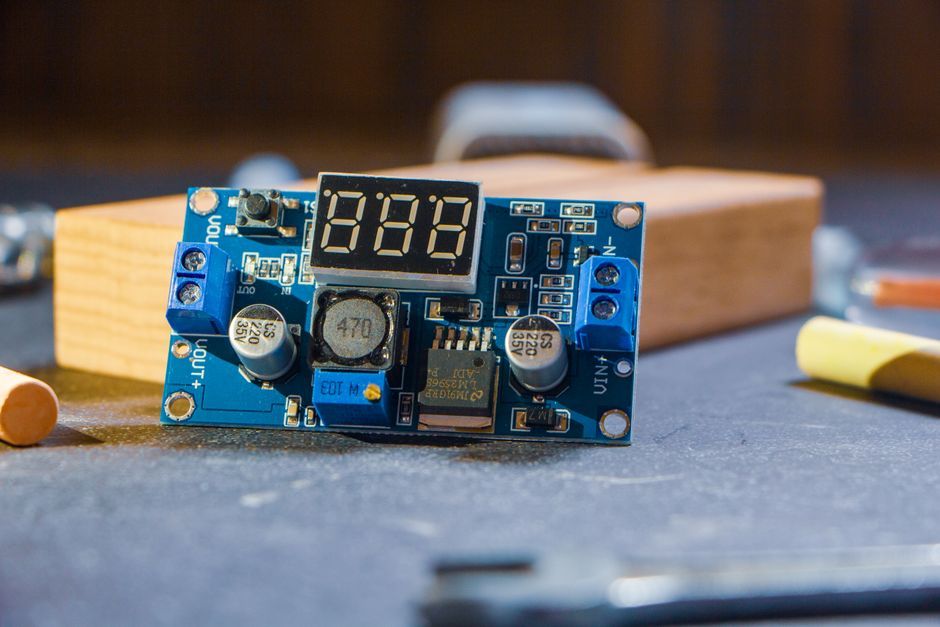
CinderClock uses an ESP32-S3 processor and a DS3231 real-time clock, with a removable microSD card storing WAV alarm sounds. A BME280 sensor adds temperature, humidity, and pressure readings, while a light sensor adjusts screen brightness.
Stock photo for illustration only, not from the actual event
Choosing the ESP32-S3 processor and enabling offline functionality highlights a growing hardware design trend toward local control and repairability, reducing user dependence on external cloud servers and proprietary ecosystems.
The main point of difference of the clock is its alarm system, supporting schedules based on weekdays, intervals, on-off duty cycles, sunrise, and sunset, calculated locally from user-entered coordinates without requiring internet.
"Dismissing an alarm should not require finding a small button or looking closely at a screen."
Endothermal Systems
The interface includes a joystick, four tactile buttons, and a large arcade button. Snoozing can require pressing a button multiple times or completing a randomly generated joystick sequence to ensure conscious action.
Stock photo for illustration only, not from the actual event
Source: designboom
Found something wrong in this article? Report an issue with this article
Comments
Leave a Comment