

US Treasury Secretary: Iran faces financial offensive
Scott Bessent announces US plans to sever all economic ties with Iran and isolate any nations partnering with the regime.
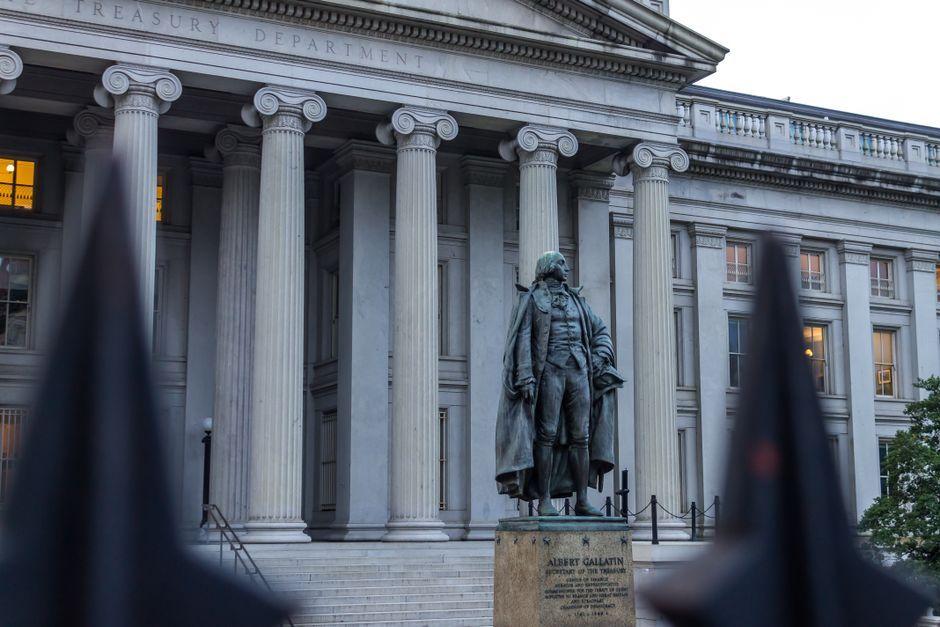
Stock photo for illustration only, not from the actual event
- Scott Bessent warns the US will sever all economic ties with Iran
- Any nation partnering financially with Iran will face isolation
- Iran has effectively blocked the Strait of Hormuz since late February
- US Treasury to detail the economic pressure measures on Monday
US Treasury Secretary Scott Bessent has announced that the United States will sever all economic ties with Iran in what he termed an economic D-Day, warning that any nation maintaining financial partnerships with Tehran will also face total isolation. The stern warning to the Iranian regime follows a series of policy reversals and extended deadlines regarding previous threats issued by President Donald Trump's administration.
Simultaneously, the Iranian regime issued a fresh warning prohibiting shipping vessels from passing through the Strait of Hormuz without explicit authorization. The strategic waterway, located south of Iran, typically handles one-fifth of the world's oil and gas supply, but the flow has remained effectively blocked since the current conflict erupted at the end of February.
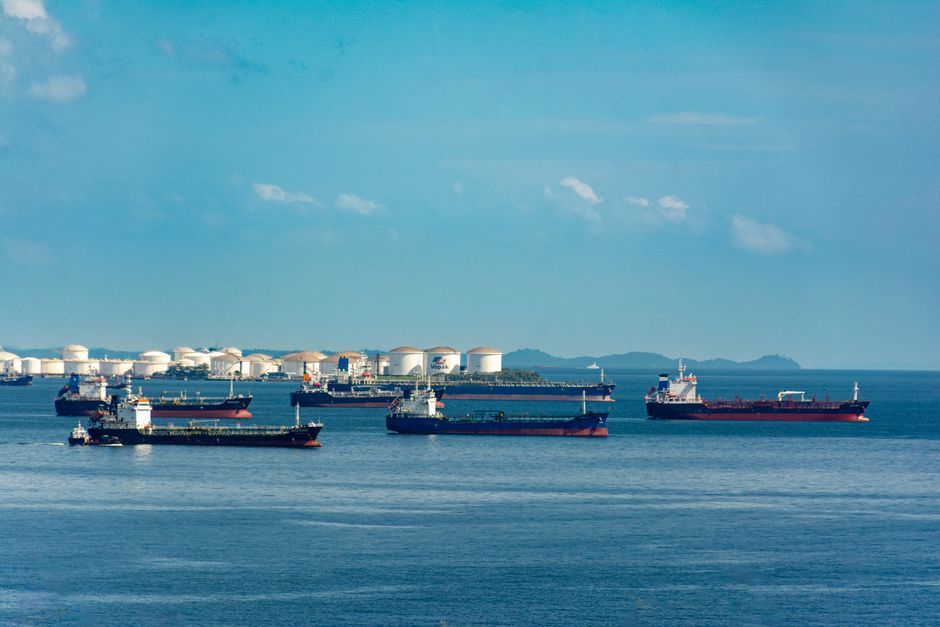
Stock photo for illustration only, not from the actual event
Bessent detailed the upcoming financial offensive in an opinion piece published by the Financial Times, though specific mechanisms of the economic pressure were not fully outlined. He is scheduled to reveal further details during a press conference in the US at 13:00 local time on Monday. His published remarks emphasized that the administration's primary objective is to cut off every financial lifeline sustaining the Iranian regime until Tehran stands completely alone.
The current escalation follows previous high-stakes rhetoric from Washington. In April, President Trump warned that an entire civilization would perish overnight unless Tehran agreed to end the war and reopen the Strait of Hormuz, though the US later softened its stance following diplomatic intervention by Pakistan. Despite existing heavy economic sanctions, the Trump administration previously targeted foreign banks and firms dealing with Tehran in April after military operations failed to force a surrender.
The reimposition of intense financial pressure on Iran underscores Washington's enduring reliance on economic warfare as a core geopolitical tool, tracing back to the 2018 withdrawal from the landmark 2015 nuclear accord negotiated under the Obama administration. By targeting secondary financial partners, the US aims to close enforcement loopholes that have allowed Tehran to sustain its operations despite multi-layered international sanctions.
Historical tensions between the two nations are deeply rooted, highlighted by the 2015 Joint Comprehensive Plan of Action which temporarily lifted sanctions in exchange for caps on Iran's nuclear program. After Trump discarded the agreement in 2018, subsequent efforts by President Joe Biden's administration failed to revive the Obama-era deal, setting the stage for the renewed financial confrontation witnessed today.
"The world should understand that our objective is to sever every economic lifeline that sustains the tyrannical regime until Tehran stands alone."
Scott Bessent
Source: BBC Business
Found something wrong in this article? Report an issue with this article
Comments
Leave a Comment