

The cat-and-mouse game over 3D-printed guns has begun
Creator Cody Wilson introduces 'Hochulization' to alter file hashes and bypass New York's new 3D-printed gun detection laws.

Stock photo for illustration only, not from the actual event
- Cody Wilson developed 'Hochulization' to bypass 3D-printed gun blocking software
- The tool alters file hashes automatically without affecting the final product's function
- Wilson plans to apply this to over 200,000 files hosted on the DEFCAD platform
- NYPD confiscated 3D-printed guns jumped from 1 in 2021 to 109 in 2024
A new battle between regulatory bodies and firearm creators has officially kicked off as Cody Wilson, who claims to have built the world's first 3D-printed gun, develops a tool designed to thwart government-mandated software meant to block 3D printers from manufacturing weapons.
This development marks the opening volley in an evolving conflict between regulators attempting to curb the rise of ghost guns and individuals seeking technological workarounds. Wilson has dubbed the tool 'Hochulization' as a direct jab at New York Governor Kathy Hochul, who earlier this year pushed through the nation's first legislation requiring gun file detection software on new printers.
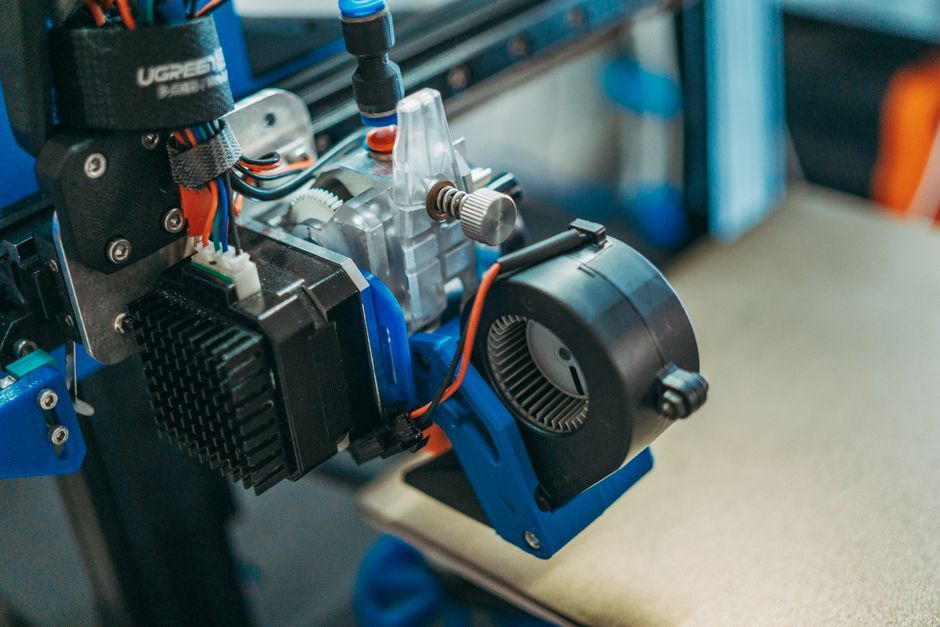
Stock photo for illustration only, not from the actual event
The tool is engineered to break a relatively simple approach to 3D-printed gun bans. Wilson's company, Defense Distributed, operates DEFCAD, the world's largest 3D gun file repository, which hosts over 200,000 files of firearm designs and components. Each file is identified by a hash—a unique string of numbers generated by running the file through an algorithm. Detection systems rely on matching these exact hashes to flag and prevent printing.
Hochulization disrupts this process by automatically appending a series of bytes to each file, changing the hash without altering the operational function of the end product. In short, a 3D-printed suppressor or firearm still functions as intended. Wilson describes the measure as a self-defense tactic against New York's attempt to police open-source 3D printing across the internet.
"I think of it as a self-defense measure."
Cody Wilson
Wilson states he intends to apply the Hochulization treatment by default to all files in the DEFCAD repository and release the tool as open source, allowing individual users to scramble hashes and potentially evade detection. While the focus centers on firearms, digital rights groups and creators have previously voiced broader concerns that mandatory printer file scanning introduces intrusive digital surveillance that could restrict what anyone is allowed to create.
From a cybersecurity perspective, file hashing is a standard identification method used to block malicious software or restricted content. However, methods like hash mutation or file padding demonstrate how static file-blocking mechanisms can be easily subverted, fueling ongoing debates over hardware-level privacy and regulatory overreach.
Statistically, 3D-printed firearms remain an evolving public threat. The New York Police Department confiscated just one 3D-printed gun in 2021, a figure that surged to 109 by 2024. Prominent gun policy group Everytown recorded similar upticks across 20 other cities, though 3D-printed models still represent a small fraction compared to conventional firearms circulating in the United States.
Source: The Verge
Found something wrong in this article? Report an issue with this article
Comments
Leave a Comment