

MADE: Bush Terminal Revitalizes Brooklyn Waterfront
NYCEDC transforms Brooklyn's historic Bush Terminal into a modern creative and manufacturing ecosystem in Sunset Park, boosting local jobs.
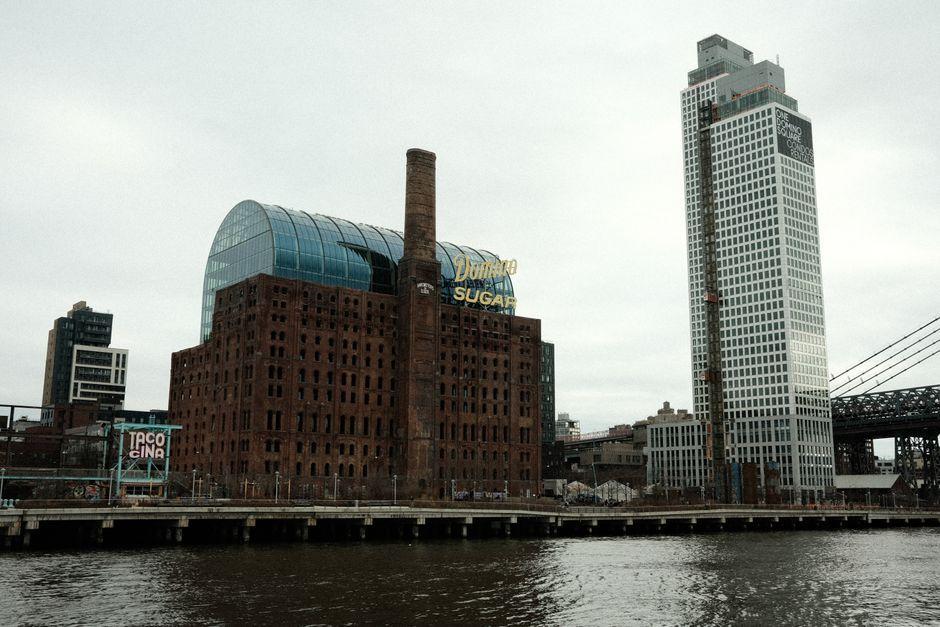
Stock photo for illustration only, not from the actual event
- NYCEDC transforms historic Bush Terminal into a hub for modern creative and manufacturing industries
- Stickbulb expands production across 27,000 sq ft alongside innovative studios like Makelab and PELLE
- Connects with Brooklyn Army Terminal ecosystem to drive climate innovation and cultural spaces
The New York City Economic Development Corporation (NYCEDC) is leading the revitalization of a historic waterfront site in Sunset Park, transforming it into a vibrant hub for creative industries and next-generation manufacturing under the MADE: Bush Terminal initiative. The project centers on a long-term strategy that blends environmental stewardship, social equity, and active community engagement to foster inclusive economic growth and local job creation.
Originally established in the late 19th century as the largest multi-tenant industrial campus in the United States, Bush Terminal played a foundational role in New York's maritime heritage. This latest chapter breathes new life into the historic campus by providing adaptable spaces for emerging enterprises, ensuring that industrial investments directly benefit the surrounding community and drive sustainable urban development.
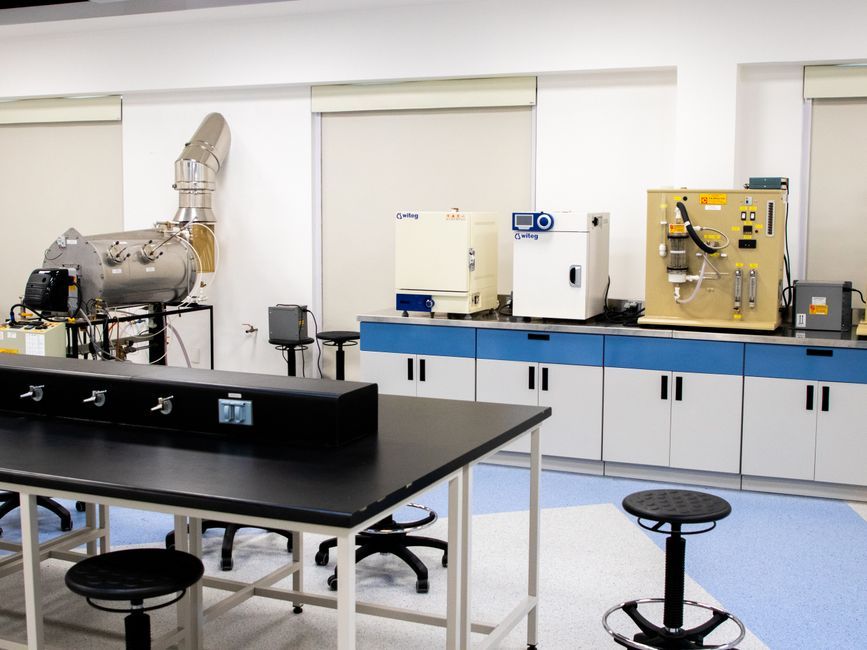
Stock photo for illustration only, not from the actual event
MADE: Bush Terminal features a curated mix of craft-based creators and high-tech tenants redefining contemporary fabrication. Lighting manufacturer Stickbulb has expanded its footprint across Buildings A and B to span over 27,000 square feet, consolidating its production facilities, design studio, and showroom into a unified circular design framework.
The campus also hosts 3D-printing hub Makelab alongside prominent design studios including PELLE, Aripack, and MushLume. Together, these creative spaces merge technical expertise with bio-based material research to push the boundaries of modern object design and sustainable manufacturing.
The transformation of historic industrial sites like Bush Terminal and the Brooklyn Army Terminal highlights a global urban planning trend known as adaptive reuse. By repurposing legacy manufacturing infrastructure into modern innovation hubs, cities can retain industrial heritage while fostering clean tech and creative economies right within urban centers.
This creative momentum extends across the broader Sunset Park ecosystem, anchored by the neighboring Brooklyn Army Terminal (BAT). The campus hosts diverse pioneers such as audiovisual innovator Audible Difference, clean-tech B-Corp EcoLogic Solutions, logistics provider GoLocker, and cinema technology leader Otto Nemenz.
Complementing this industrial mix, NYCEDC launched the BATWorks climate innovation hub alongside a cultural partnership with Public Service. Transforming a 1,000-capacity venue into a dynamic space for live music and large-scale art installations, the initiative establishes MADE as a benchmark for civic design, material circularity, and creative industry leadership.
Source: designboom
Found something wrong in this article? Report an issue with this article
Comments
Leave a Comment