

Preserving Glow-in-the-Dark Art and Fashion
Scientists study the unique photochemistry of glowing materials to improve conservation, storage, and exhibition methods for the future.

Stock photo for illustration only, not from the actual event
- Scientists study photochemistry mechanisms of glowing materials for preservation
- Glow-in-the-dark art and fashion are prone to degradation and fading over time
- In-depth understanding helps develop proper storage and exhibition techniques
- The primary goal is protecting cultural heritage items for future generations
Glow-in-the-dark materials featured in artworks and fashion pieces capture immediate attention, but this vibrant aesthetic comes with inherent fragility. The chemical compounds responsible for nighttime luminescence often break down rapidly when exposed to environmental factors, prompting conservation experts to seek protective measures before these unique colors fade permanently.
Recent studies focus specifically on decoding the unique photochemistry of these materials. The chemical reactions triggered when light interacts with luminescent pigments drive molecular structural changes, and without detailed insights into this process, storing or exhibiting artifacts in museums can inadvertently accelerate damage.
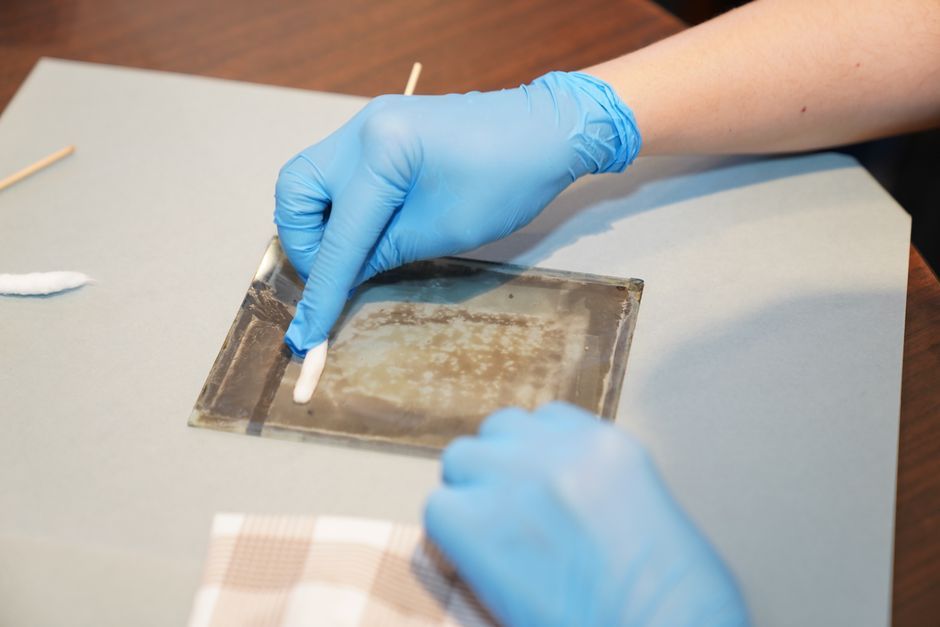
Stock photo for illustration only, not from the actual event
From a museum conservation perspective, luminescent materials present a high-level challenge because compounds like zinc sulfide or advanced phosphors are exceptionally sensitive to UV light and humidity. Understanding their photochemistry acts as a crucial key, allowing curators to design display cases with precisely controlled light wavelengths and oxygen levels to extend the lifespan of these historical pieces.
The conservation approaches developed from this research encompass three key areas:
- Storage: Controlling temperature and complete darkness to minimize ongoing chemical reactions
- Exhibition: Limiting exposure time and specific light types used when displaying works to the public
- Conservation: Finding repair methods or protective coatings to prevent molecular breakdown
These collective efforts not only preserve the aesthetic value of modern artworks and avant-garde fashion but also establish a new standard for museums worldwide in managing chemically complex exhibits, ensuring these valuable cultural assets survive intact for future generations.
Source: Ars Technica
Found something wrong in this article? Report an issue with this article
Comments
Leave a Comment