

Spiciest Part of Chili Revealed: It Is Not the Seeds
Discover the truth about chili peppers where the white core holds up to 90% of capsaicin, plus the right way to reduce heat.
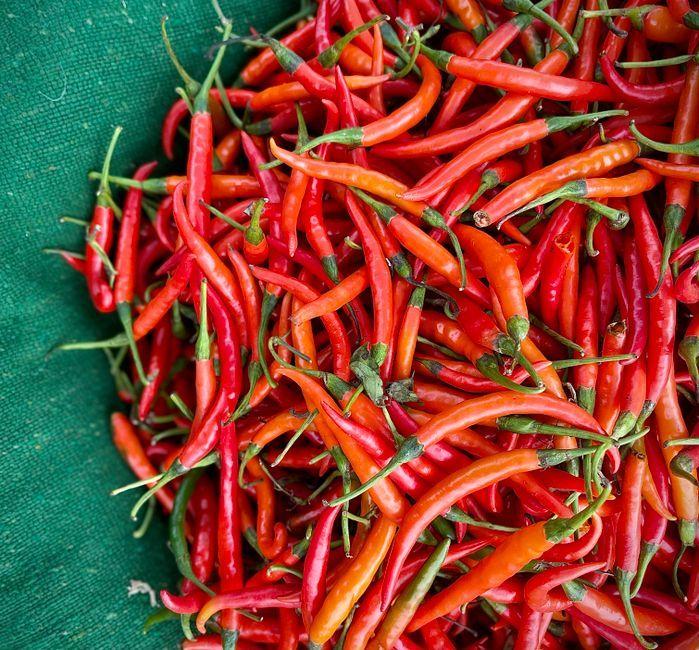
Stock photo for illustration only, not from the actual event
- The chili placenta or white core is the spiciest part, not the seeds
- Capsaicin concentration reaches 80-90% inside the white core
- Chili seeds contain almost no heat unless touching the placenta
- Drinking milk or consuming fats relieves burning better than water
When it comes to spicy cuisine, chili peppers are the ultimate staple, yet many people still hold common misconceptions about where that fiery sensation actually originates inside the pepper pod, especially regarding the seeds.
The chemical compound responsible for the heat is capsaicin, which is not evenly distributed throughout the pepper. Instead, it accumulates most densely in the chili placenta, the white spongy tissue holding the seeds in place.
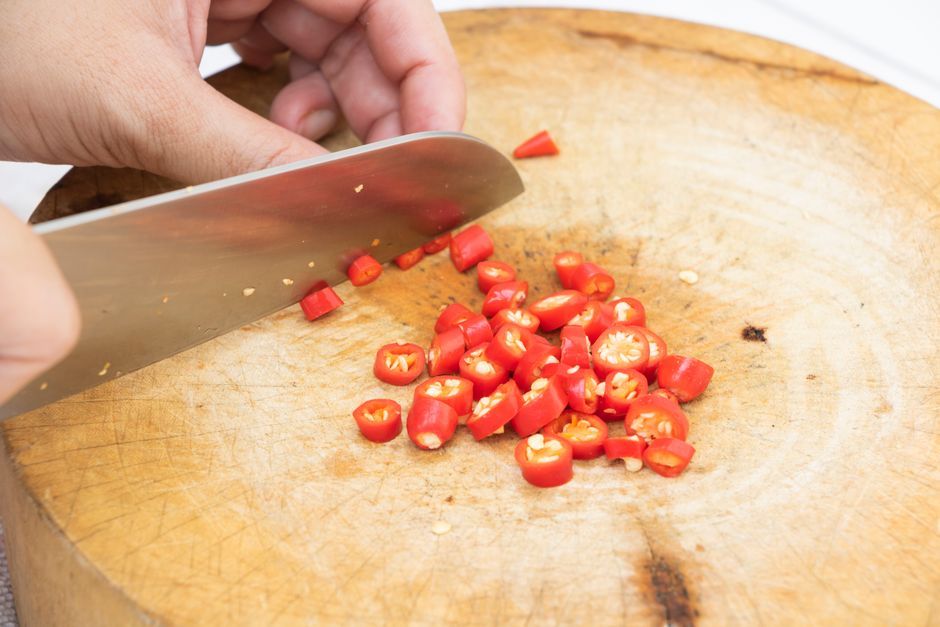
Stock photo for illustration only, not from the actual event
Breaking down the pepper components by capsaicin concentration reveals a clear hierarchy from highest to lowest:
- Placenta or white core: Contains the highest capsaicin level, accounting for nearly 80-90% of total heat
- Inner pericarp: The inner flesh adjacent to the white core ranks second in spiciness
- Outer flesh: The outer skin and meat contain moderate to low heat levels
- Chili seeds: Contain minimal to almost zero capsaicin within their internal structure
The reason people mistakenly blame the seeds for the spice is simply because seeds sit right next to the capsaicin-packed placenta, absorbing the fiery residue that coats them during growth and storage inside the pod.
This botanical fact offers a practical culinary trick. If you want to tone down the heat of a dish while keeping the flavor and color intact, removing the white core and placenta is far more effective than just picking out the seeds.
Capsaicin is a hydrophobic molecule, meaning it does not dissolve in water. This is why drinking cold water only offers temporary relief from a burning tongue. A scientifically superior method is consuming milk, dairy products, or fatty foods, as fats bind to and wash away capsaicin molecules from taste receptors.
Source: Thairath Lifestyle
Found something wrong in this article? Report an issue with this article
Comments
Leave a Comment