

Ars Technica 2026: Researchers make two genetic codes work
A major breakthrough in genetics as researchers successfully enable two genetic codes to operate simultaneously.

Stock photo for illustration only, not from the actual event
- Researchers successfully enabled two genetic codes to operate simultaneously.
- This advancement makes manipulating genetic code significantly easier.
- It opens up new possibilities for scientific and biological research.
Manipulating the genetic code has long remained one of the most complex challenges in science, primarily due to the intricate cellular mechanisms required to control biological instructions with high precision. Even minor alterations could disrupt an organism's entire system, creating numerous hurdles for past experiments.
However, recent progress reported by a team of researchers has introduced a potential solution. They have discovered a method allowing two distinct sets of genetic codes to function together at the exact same time, marking a major milestone that simplifies experimental procedures and offers fresh perspectives for biology.
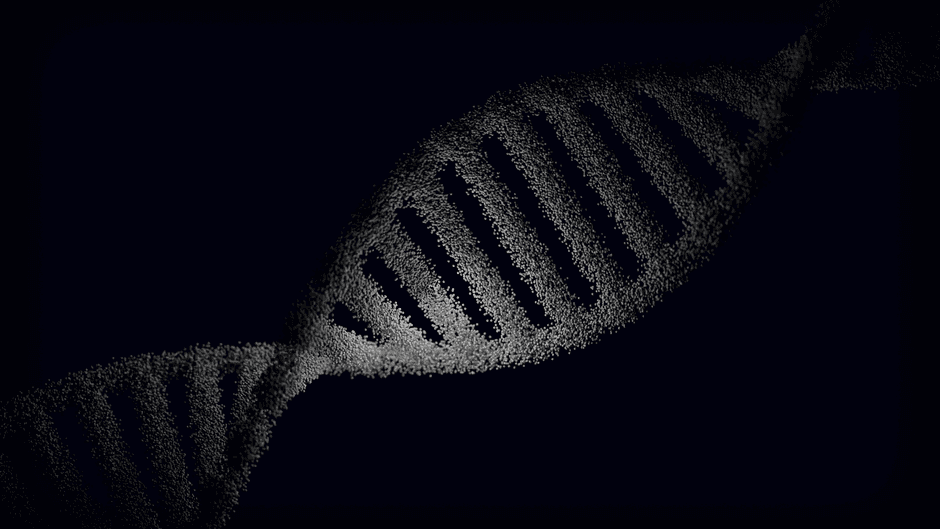
Stock photo for illustration only, not from the actual event
Enabling cells to handle two genetic codes simultaneously is a significant milestone because biological cells are naturally restricted to translating standard, single sets of instructions. Overcoming this limitation could eventually allow scientists to synthesize entirely novel proteins that do not exist in nature, paving the way for breakthroughs in medicine and biomaterials.
While this achievement is still in its early stages, many experts view it as a pivotal turning point that will grant scientists greater flexibility to explore innovative concepts without being hindered by previous genetic constraints.
Source: Ars Technica
Found something wrong in this article? Report an issue with this article
Comments
Leave a Comment