

Thailand Economy: Turning BOI Investment into Capabilities
BOI investment applications in H1 2026 hit 1.5 trillion baht. Dr. Santitarn urges Thailand to channel capital into productivity and three new growth arenas.
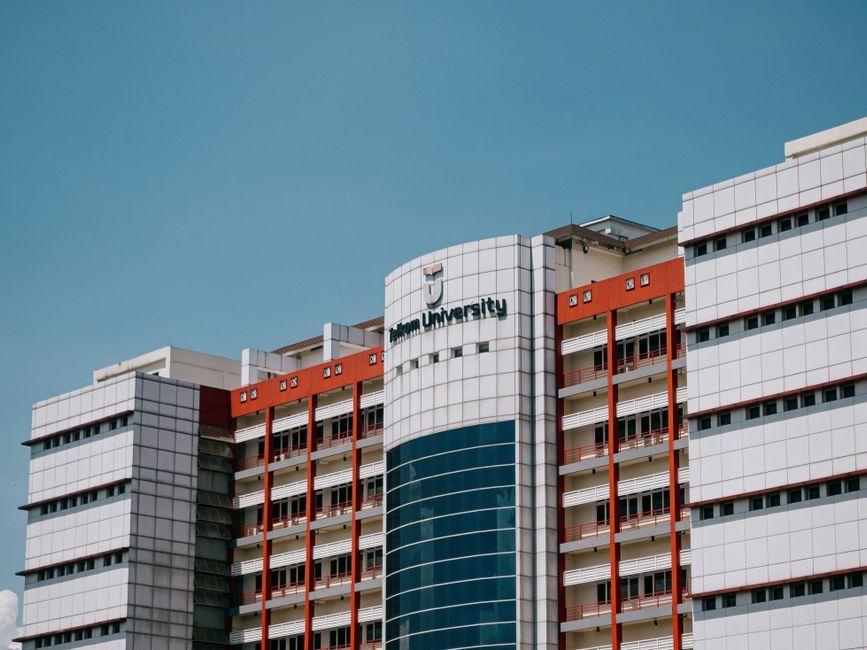
Stock photo for illustration only, not from the actual event
- BOI investment applications in H1 2026 reached approximately 1.5 trillion baht, up nearly 40%.
- Thailand faces structural hurdles from an aging society and shrinking workforce, potentially shaving 1% off GDP annually.
- Dr. Santitarn proposes focusing on three growth arenas: AI, Longevity, and Green economies.
- The core strategy is building bridges between new investments, traditional industries, and local labor.
Investment applications submitted to the Thailand Board of Investment, or BOI, during the first half of 2026 surged to roughly 1.5 trillion baht, or approximately 45 billion US dollars, marking a near 40 percent increase from the previous year. While these robust figures confirm that the new economy has arrived in Thailand, the more daunting question is how the nation will capitalize on this influx.
Historically, Thailand expanded by injecting more labor and resources into the system. However, this model faces severe constraints due to an aging population and a declining workforce. Various analyses suggest that this demographic drag could reduce Gross Domestic Product growth by about 1 percentage point annually. Combined with global fragmentation and shifting geopolitics, open economies like Thailand must undergo urgent structural transformation.
As relying on sheer headcount and raw resources is no longer viable, the only way forward is boosting productivity. The modern definition of productivity extends far beyond doing old things better; it encompasses doing familiar tasks through innovative methods and ultimately delivering new offerings demanded by the global market. Amid volatile supply chains, Dr. Santitarn points out that Thailand holds unique advantages through established infrastructure and deep economic ties across multiple regions, positioning the country as a trusted connector.
The 1.5 trillion baht investment in the first half of the year is notable not just for its size, but for its composition, flowing increasingly into the new economy, including AI infrastructure, advanced electronics, green industries, and robotics. This raises two critical questions: what Thailand can offer the new economy, and what the new economy can do for Thailand. To address the first challenge, the Joint Public and Private Sector Consultative Committee has partnered with businesses to target three foundational arenas for future economic growth.

Stock photo for illustration only, not from the actual event
The first arena is the AI economy. While Thailand has successfully attracted infrastructure investments spanning data centers, sensors, photonics, and power electronics, Dr. Santitarn argues that Thailand may not compete with global giants in building resource-heavy frontier foundation models. Instead, Thailand's real opportunity lies in the application layer, leveraging local domain expertise and proprietary datasets in healthcare, tourism, agriculture, logistics, and financial services to build practical solutions and scale domestic startups regionally and globally.
Focusing on the application layer of artificial intelligence is a pragmatic strategy for developing nations. It avoids competing in expensive hardware and foundational model training where superpowers dominate, allowing economies to capture high-value returns through specialized services and localized industry insights.
The second arena is the longevity economy, directly addressing the aging population crisis by tapping into the fast-growing market for senior goods and services. Thailand already enjoys global recognition for its healthcare, wellness, and medical services. The challenge lies in capturing more value higher up the chain, ranging from medical devices and pharmaceuticals to functional food ingredients, by combining public health strengths with biodiversity and agricultural research.
The third arena is the green economy, driving energy transition for decarbonization and energy security while turning clean energy technology and advanced manufacturing into engines of industrial growth. All three arenas share a unifying theme: the ultimate goal is not merely attracting capital volume, but creating distinctive, hard-to-replicate value for the country.
Source: Techsauce
Found something wrong in this article? Report an issue with this article
Comments
Leave a Comment