

The Harness: The Hot New AI Term Changing Interfaces
Discover the concept of the AI harness, going beyond simple chat boxes to include projects, memory, and connectors shaping future AI experiences.
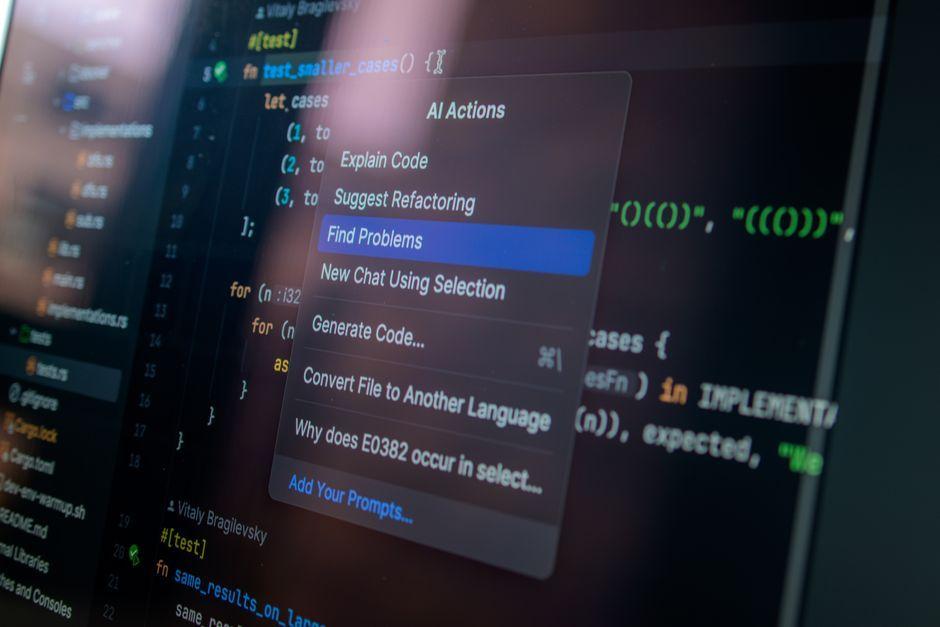
Stock photo for illustration only, not from the actual event
- The harness refers to both the user interface and all the underlying AI infrastructure.
- OpenAI recently added Mac iMessage integration, showcasing a direct evolution of the harness.
- New shared workspace harnesses let multiple users collaborate in real-time alongside the AI.
- Future AI subscription differentiators will likely focus on the harness rather than just the model.
The user interface you log into is the portion of your AI subscription that you interact with the most on a daily basis. However, the harness represents that interface as well as everything running underneath it, including projects, memory management, connectors, and skills. Industry observers expect this underlying layer to undergo significant changes moving forward.
A recent example highlights this shift: OpenAI introduced a feature allowing users to interact with iMessage on a Mac. Users can ask ChatGPT to search messages, summarize conversations, draft replies, and even send messages without ever opening the Messages app. This upgrade represents a change to the harness, where the underlying model did not necessarily become smarter, but the scaffolding surrounding it gained additional capabilities.

Stock photo for illustration only, not from the actual event
Currently, platforms like Claude and ChatGPT share a similar appearance, featuring standard chat boxes, projects, and skills with a comparable basic shape. However, a novel harness introduced recently takes a different approach by offering a shared workspace environment where users can see who is logged in, chat with peers, and co-author presentations or documents directly inside a thread alongside the AI instead of in a separate tab.
This shared workspace concept introduces unique collaborative advantages, allowing users to observe how colleagues craft prompts in real time rather than merely viewing the final generated output. This approach offers a genuinely different take on interface design and functional harness architecture.
The emphasis on the harness illustrates a broader industry shift where competition moves away from raw model intelligence toward user experience and workflow integration. Companies focus heavily on interface design to ensure user retention and prevent subscribers from migrating to competing platforms.
As core models such as Astra and Fable 5 continue to grow more powerful, the primary differentiator between competing AI subscriptions will likely cease to be the model itself and become the harness. Consequently, firms are heavily incentivized to engineer the superior interface to retain their user base.
Understanding the definition and role of the harness helps clarify where modern artificial intelligence development platforms are heading as user interaction paradigms continue to evolve rapidly.
Source: Dev.to
Found something wrong in this article? Report an issue with this article
Comments
Leave a Comment