

Inside Dolly Parton's Musical Legacy and Resilience
Explore Dolly Parton's iconic country music career, her fierce battles for song rights, and her lifelong inspiration for women worldwide.

Stock photo for illustration only, not from the actual event
- Dolly Parton clicked her acrylic nails together to create the typewriter beat in 9 To 5
- She famously refused to hand over publishing rights of I Will Always Love You to Elvis Presley's manager
- Wrote her very first song around age six about her cherished childhood doll
- Donated scholarships and over 200 million books to children through her philanthropy
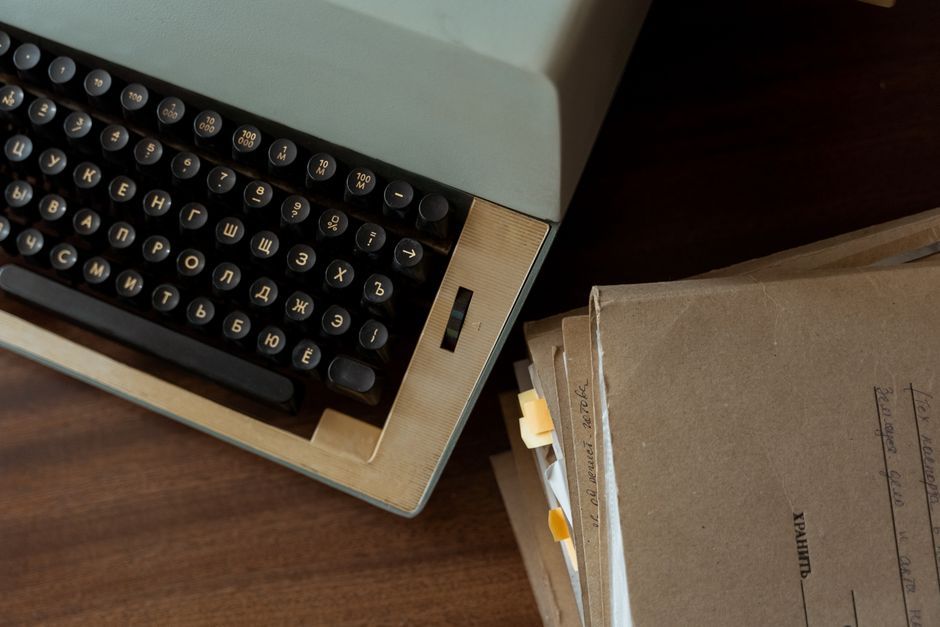
Legendary country music icon Dolly Parton has left an enduring legacy defined not only by her soaring vocals, but also by her fierce determination to protect her creative rights. While filming the hit movie 9 To 5 released in November 1980, where she starred alongside Lily Tomlin and Jane Fonda, her guitar was banned from the set. Improvised ingenuity took over when she realized that strumming her acrylic nails together produced a sound identical to the typewriter used by her character, a secretary constantly belittled and harassed by her boss.
The track 9 To 5 became her only US number-one hit as a solo artist and earned her an Oscar nomination for best song. Beneath its catchy, upbeat rhythm lay a genuine fury and an authentic voice for working women trapped in corporate hierarchies, capturing frustrations that rarely found mainstream expression during that era.
Stock photo for illustration only, not from the actual event
Dolly Parton's business acumen and staunch defense of her intellectual property have established a vital precedent in the music industry. Her refusal to surrender song ownership mirrored the structural challenges modern artists face, inspiring contemporary superstars like Taylor Swift to re-record their catalogs to reclaim artistic control.
Her early breakthrough arrived in 1967 when she joined The Porter Wagoner Show as the featured girl singer, a TV showcase reaching millions weekly. Together they released 21 hit duets, but as her star outshone her mentor, she chose to launch a solo career. She penned I Will Always Love You as an apology letter to Wagoner, who responded by suing her for breach of contract in 1979, demanding three million dollars or roughly 2.2 million pounds, before she settled out of court for around one million dollars.
Her unwavering backbone shone again when Elvis Presley wanted to record I Will Always Love You. The night before the recording session, his manager Colonel Tom Parker called demanding half of the lucrative publishing rights. Parton flatly refused the demand, later using royalties from the song to invest in a Black neighborhood in Nashville, Tennessee, honoring the enduring legacy attached to the track.
Stock photo for illustration only, not from the actual event
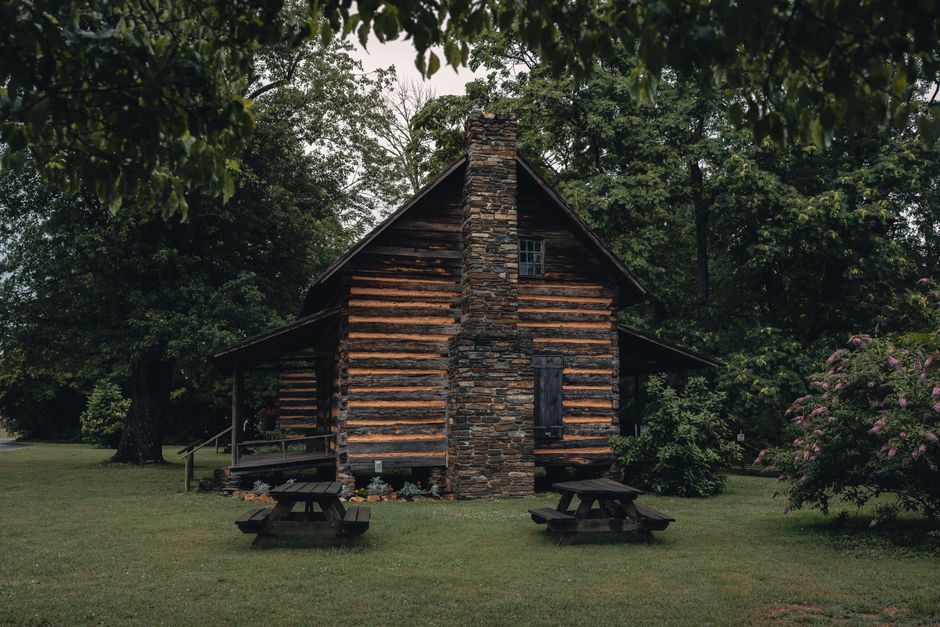
Musically, her diaristic songwriting drew inspiration directly from her upbringing. From writing a song about her corn-silk-haired doll at age six to releasing her 1974 autobiographical concept album My Tennessee Mountain Home featuring her childhood log cabin on the cover, she celebrated everyday realities. Even without electricity or running water in her youth, she infused hits like Jolene and All I Can Do with authentic heart and relatable humor.
Source: BBC World
Found something wrong in this article? Report an issue with this article
Comments
Leave a Comment