

Meta's $18B child-safety deal hinges on age verification
Meta settles a child-safety lawsuit for $18 billion, while experts raise privacy and efficiency concerns regarding age verification technology.

Stock photo for illustration only, not from the actual event
- Meta settled a child-safety lawsuit for $18 billion to avoid a jury trial.
- The settlement reignites scrutiny over age verification tech that remains flawed.
- Biometric and ID checks pose serious privacy risks for users of all ages.
- Experts warn that transmitting sensitive identity data online carries breach risks.
Meta has chosen not to admit wrongdoing while settling allegations that it intentionally designed its platforms to keep children hooked, utilizing a common corporate tactic to avoid a risky jury trial where outcomes could be far worse. An adverse ruling against the tech giant could have also jeopardized the crucial legal protections shielding social platforms from liability for user-generated content.
This massive settlement has reignited widespread concern over age verification measures intended to protect minors online, which can simultaneously create privacy risks for both children and adults in practice. Age-verification technology has evolved significantly beyond simply clicking a confirmation button on a beverage website, with companies now relying on biometric selfies, government ID checks, or behavioral pattern analysis, each carrying distinct flaws.
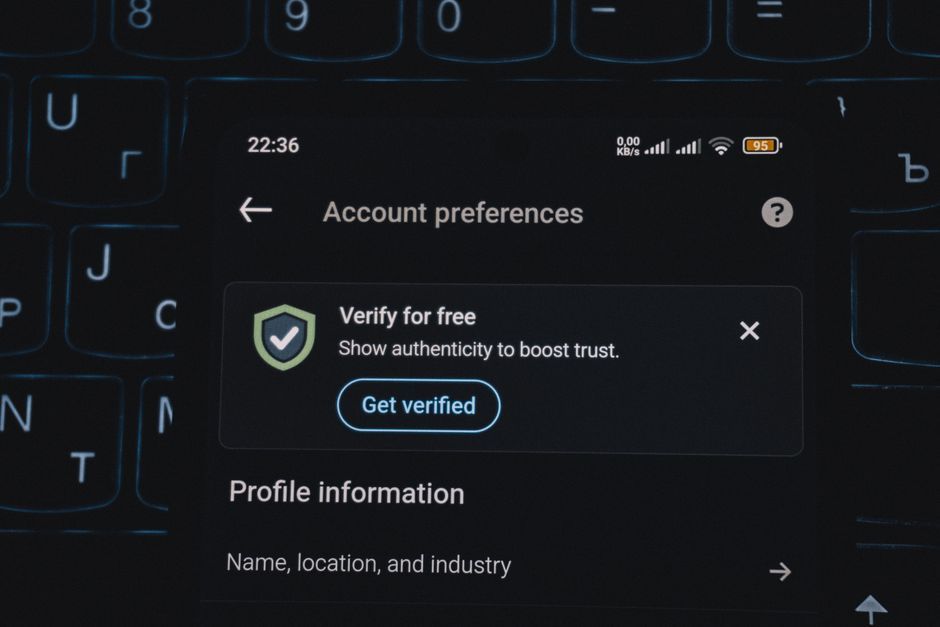
Stock photo for illustration only, not from the actual event
For instance, behavioral analysis systems can mistakenly classify adults as minors or vice versa, while biometric and ID verifications require users to hand over sensitive personal documents to third parties merely to access an application. Many users also distrust platforms regarding responsible implementation, a lesson Discord learned firsthand earlier this year when significant user backlash forced the company to delay its global age verification rollout.
Meta's high-stakes settlement highlights mounting regulatory and societal pressure regarding youth safety on digital platforms. While the company successfully bypasses a trial verdict, the burden shifts to balancing age-gating requirements with user privacy rights. From a cybersecurity perspective, transmitting biometric or identity data across networks remains a critical vulnerability, as leaked facial scans or fingerprints cannot simply be reset like standard passwords.
Although Yannella noted that companies do not need to store user personal information to verify age, Ingber and other experts caution that transmitting sensitive identity data online inherently carries privacy risks. A data breach involving minor-linked ID scans or facial biometrics creates severe identity theft threats, and unlike traditional passwords, compromised biological data cannot be changed.
While Ingber worries that Meta and other firms will struggle to meet these commitments without insecure verification mechanisms, she views the settlement as evidence of a broader cultural shift. The original report was authored by Amanda Silberling, a senior writer at TechCrunch covering the intersection of technology and culture.
Source: TechCrunch
Found something wrong in this article? Report an issue with this article
Comments
Leave a Comment