

Collapsed glacier likely caused Nepal-Tibet floods, scientists
Scientists confirm a collapsed Himalayan glacier triggered deadly flash floods on the Nepal-Tibet border, killing at least 177 people.
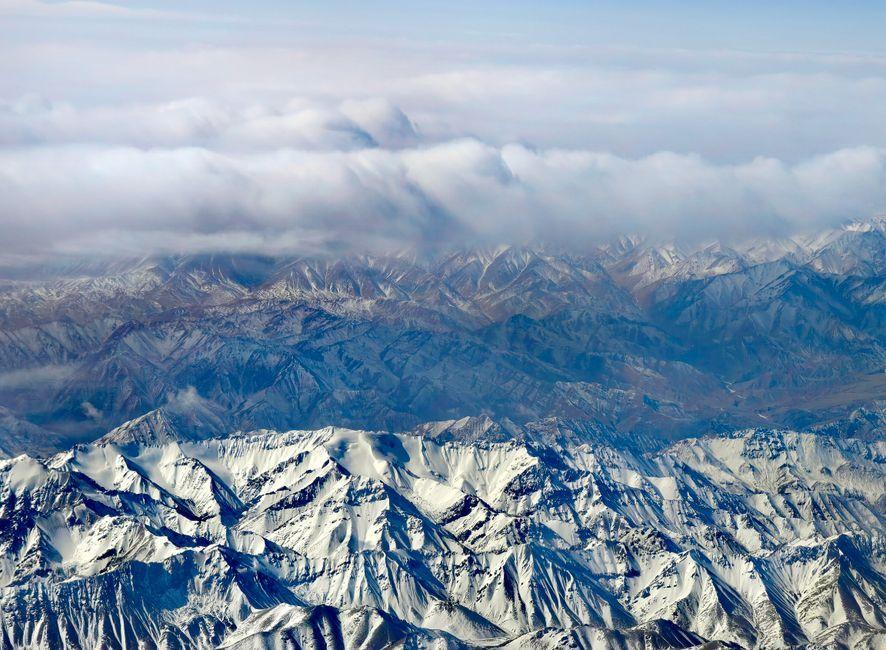
Stock photo for illustration only, not from the actual event
- Scientists trace the flash flood to a collapsed glacier near the Langtang Lirung peak.
- The impact of the collapse registered a magnitude of 5.2 according to USGS data.
- River water levels surged by seven to nine metres within a 30-minute window.
- The disaster has left at least 177 people dead and over 800 missing.
Preliminary investigations into the catastrophic flash flood along the Nepal-Tibet border, which has claimed at least 177 lives and left over 800 missing, point to a collapsed glacier as the primary culprit, drawing urgent attention to rapidly melting ice in the Himalayas.
Initial reports of an earthquake had led many to believe tremors triggered a deadly landslide. However, the US Geological Survey (USGS) clarified that the disaster originated from a glacial collapse, where a massive section of ice disintegrates.
Dr Simon Cook, a glacier expert from the University of Dundee, told the BBC that his team detected the collapse of the lower part of a glacier near the Langtang Lirung peak in Nepal, situated roughly 15 kilometres west of the flood site. The debris subsequently entered the Lende Khola, a tributary of the Bhote Koshi river, generating a sudden surge carrying water, sediment, and massive boulders downstream.
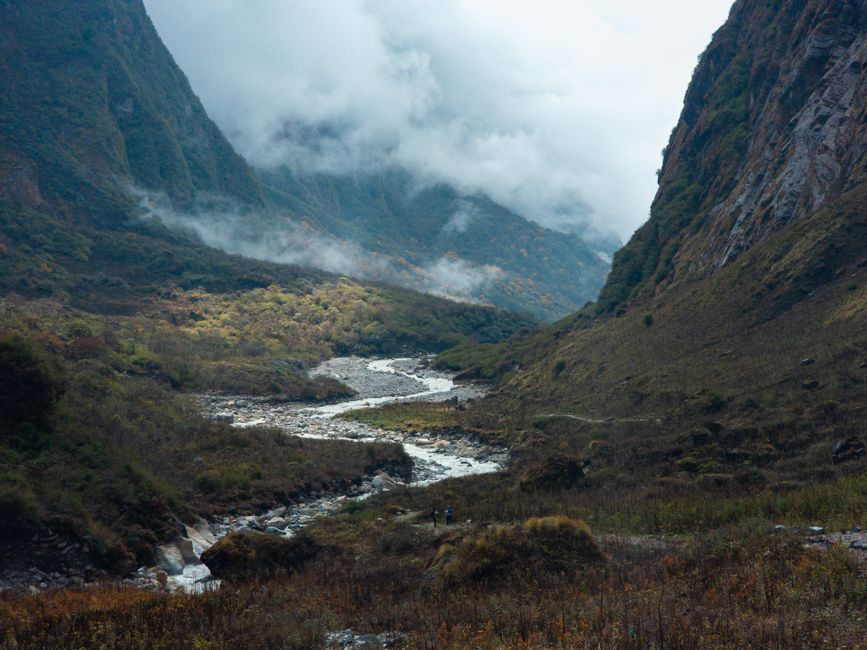
Stock photo for illustration only, not from the actual event
"The whole thing is combining to form these catastrophic disasters that we are now seeing at a regular basis."
An analysis by the International Centre for Integrated Mountain Development (ICIMOD) suggested an ice-rock avalanche from a high-altitude area initiated the catastrophe. Experts noted that the steep valley topography on both sides of the mountain further accelerated the rushing water.
Data from ICIMOD showing that Hindu Kush Himalaya glaciers are losing ice at double the rate since 2000 highlights how global warming destabilizes high-mountain cryospheres, increasing the frequency of such outbursts.
Similar glacial collapse disasters have struck other regions in recent years, including the 2021 Chamoli disaster in northern India which killed 200 people, as well as a glacial lake outburst flood in the same Nepalese region last year.
Source: BBC World
Found something wrong in this article? Report an issue with this article
Comments
Leave a Comment