

Nepal-Tibet Floods 2026: Death Toll Rises as Hundreds Missing
Massive flash floods and landslides along the Nepal-Tibet border leave at least 332 dead and over 826 missing. Scientists point to a potential glacial collapse.
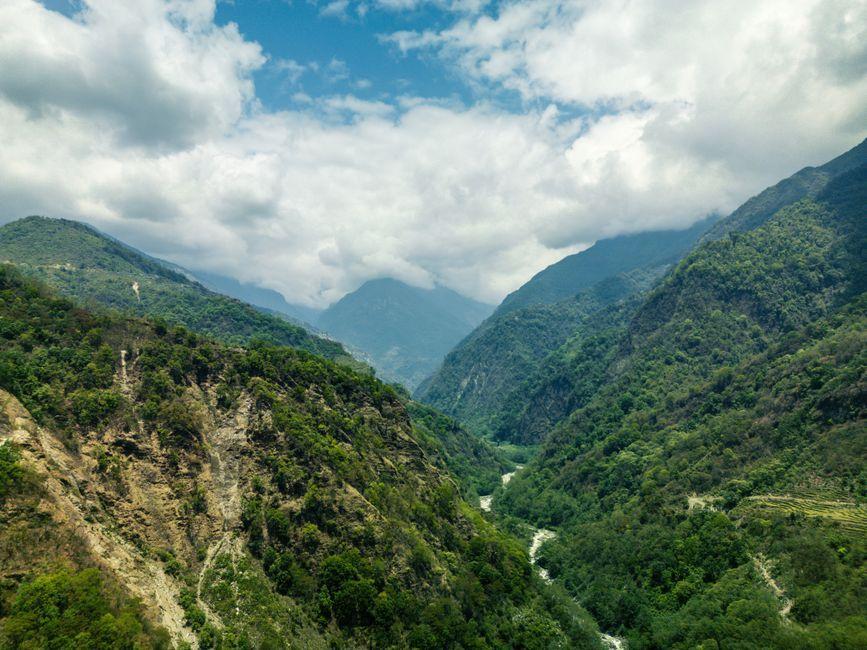
Stock photo for illustration only, not from the actual event
- Severe flash floods and landslides on the Nepal-Tibet border leave at least 332 dead and 826 missing.
- USGS confirms the seismic event was a glacial collapse and debris flow rather than an earthquake.
- Heavy destruction hits northern Nepalese tourist towns, mountaineering areas, and the Rasuvagadhi border checkpoint.
- ICIMOD warns of potential secondary flooding as debris may temporarily block the Trishuli River.
Massive landslides and catastrophic flash floods along the rugged Nepal-Tibet border have caused widespread destruction, leaving hundreds of people dead or missing as search and rescue operations press forward. Authorities on both sides anticipate monumental losses as rescue teams struggle to reach the hardest-hit remote mountain villages.
Nepal's foreign minister initially reported that an earthquake had struck the Tibet-Nepal border shortly before the landslide, hinting it might have triggered the disaster. However, the United States Geological Survey (USGS) clarified on Thursday that further analysis of nearby seismic stations, long-period seismic waves, and satellite imagery determined the seismic event was actually a glacial collapse and debris flow, ruling out an earthquake.
Climate change is widely recognized as accelerating glacier melt across the Hindu Kush Himalaya region. Dr. Simon Cook, a senior lecturer in energy, environment, and security at the University of Dundee specializing in glaciology, stated that his research team detected the collapse of the lower part of a glacier in Nepal near the Langtang Lirung peak, situated approximately 15 kilometers west of the flood site.
"Permafrost is partially holding some mountainsides together, this permafrost is warming and thawing and degrading so you are going to get more landslides"
Simon Cook, University of Dundee
A roaring torrent of mud, rocks, and debris careered downstream toward northern Nepalese towns popular with mountaineering tourists and religious pilgrims. The border zone lies roughly 40 miles north of Nepal's capital city, Kathmandu. Footage captured towering walls of mud and water sweeping away buildings, infrastructure, and vehicles as residents fled the fast-moving disaster zone in the Nuwakot region.
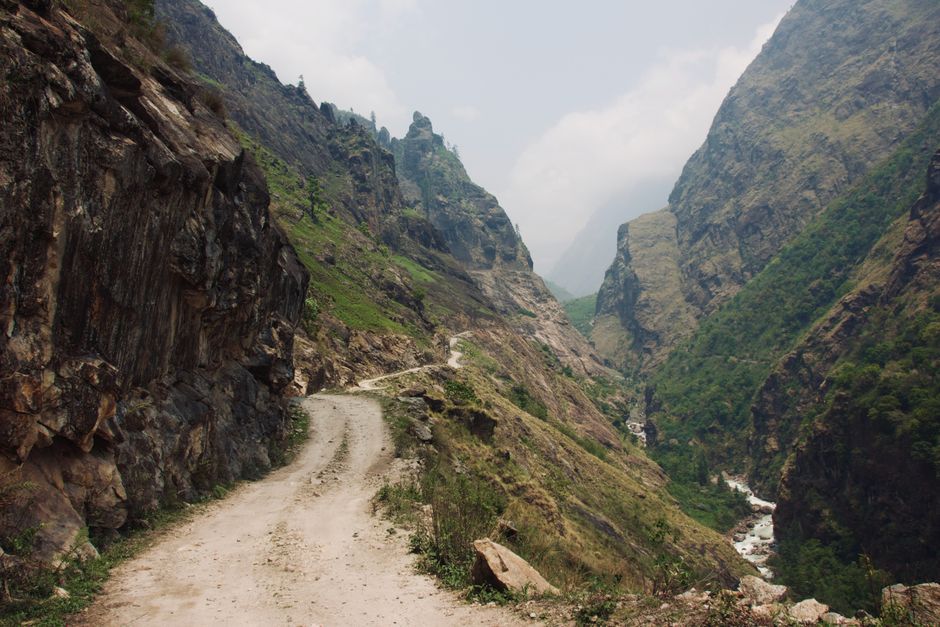
Stock photo for illustration only, not from the actual event
Glacial disasters like debris flows and outburst floods are closely tied to rising global temperatures. As mountain permafrost thaws and glaciers retreat, steep slopes lose structural integrity, leading to catastrophic collapses. These events generate immense wall-of-water phenomena that carry heavy sediment loads, making downstream flash floods exceptionally destructive and difficult to forecast.
The casualty count continues to climb as rescue operations progress. Nepali police confirmed that at least 332 people have died, including 64 bodies recovered in downstream Chitwan and 26 in Nawalparasi East. Nepal's National Disaster Risk Reduction and Management Authority reported that 826 people remain missing, among them 466 foreign tourists. Meanwhile, China's state broadcaster CCTV reported 558 missing persons in Tibet's Gyirong county, including 260 foreign nationals, with the local death toll remaining at three.
Source: BBC World
Found something wrong in this article? Report an issue with this article
Comments
Leave a Comment