

Americans are cheering for vigilantes destroying Flock cameras
Americans celebrate vigilantes damaging and unplugging Flock surveillance cameras across the US, reflecting a growing backlash against tech industry overreach.
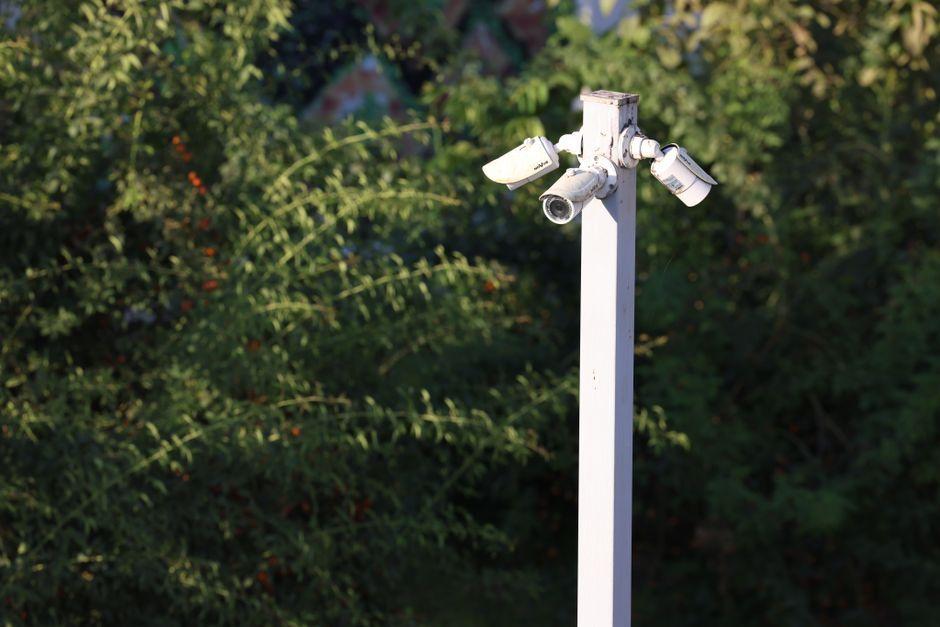
Stock photo for illustration only, not from the actual event
- Americans nationwide are protesting and destroying Flock automated license plate readers.
- Online communities are raising funds and praising suspects arrested for vandalism.
- A Georgia sheriff offered a $1,000 reward but faced massive public backlash instead.
- Historians view this wave of anti-surveillance action as a milestone for the anti-Tech movement.
Growing bipartisan frustration with the tech industry in the United States has boiled over into direct action, as ordinary citizens launch protests and physical attacks against surveillance cameras operated by Flock Safety across neighborhoods nationwide.
The decentralized and spontaneous nature of these protests makes them exceptionally difficult for authorities to suppress. Vandals have utilized a broad spectrum of disruption tactics, ranging from non-destructive methods like unplugging units and temporarily blocking lenses to destructive acts including smashing, spray-painting, stealing, and driving over the devices. Despite several arrests, law enforcement has failed to deter others from taking matters into their own hands.
“Nonviolent direct action is a recognized and established tactic, and it’s unsurprising that we are seeing some people are resorting to that.”
Social movement historian
Public support for individuals committing these drastic acts has quickly become mainstream online. In a notable incident last week, Sheriff Stacy Jarrard of Lumpkin County, Georgia, posted a Facebook video offering a $1,000 reward for information leading to the arrest of whoever destroyed a local Flock camera near a park, inadvertently confirming that police rely on the cameras for much more than routine traffic enforcement.
Stock photo for illustration only, not from the actual event
The response heavily defied the sheriff's expectations, generating over 30,000 comments where the vast majority mocked law enforcement, criticized surveillance infrastructure, and congratulated the vandals. The overwhelming pushback forced Jarrard to release a follow-up video acknowledging privacy concerns and promising to listen to the public.
In suburban New York, Suffolk County police reported a wave of vandalism in Long Island where four Flock cameras were unplugged, spray-painted, and run over by vehicles. Coverage of the incidents by the conservative outlet New York Post similarly attracted floods of reader comments expressing gratitude toward anonymous individuals destroying the surveillance equipment.
Solidarity for Flock vigilantes has also translated into tangible financial and legal backing. In Virginia, an Air Force engineer accused of cutting down 13 Flock cameras received more than $44,000 through GoFundMe for his legal defense. Meanwhile, in Ohio, felony charges against an alleged Flock vandal were dropped after a grand jury declined to indict the suspect.
This wave of surveillance camera destruction exemplifies the sociological concept of a "diversity of tactics," where social movements gain momentum when the broader activist base maintains solidarity with individuals engaging in extralegal direct action. It highlights a deep-seated public anxiety regarding government overreach and the unbridled expansion of corporate surveillance technologies into daily civic life.
Source: The Verge
Found something wrong in this article? Report an issue with this article
Comments
Leave a Comment