

Convicted Bosnian Serb war criminal Mladić dies aged 84
Ratko Mladić, the former Bosnian Serb military commander known as the 'Butcher of Bosnia', has died in a UN prison in The Hague at the age of 84.
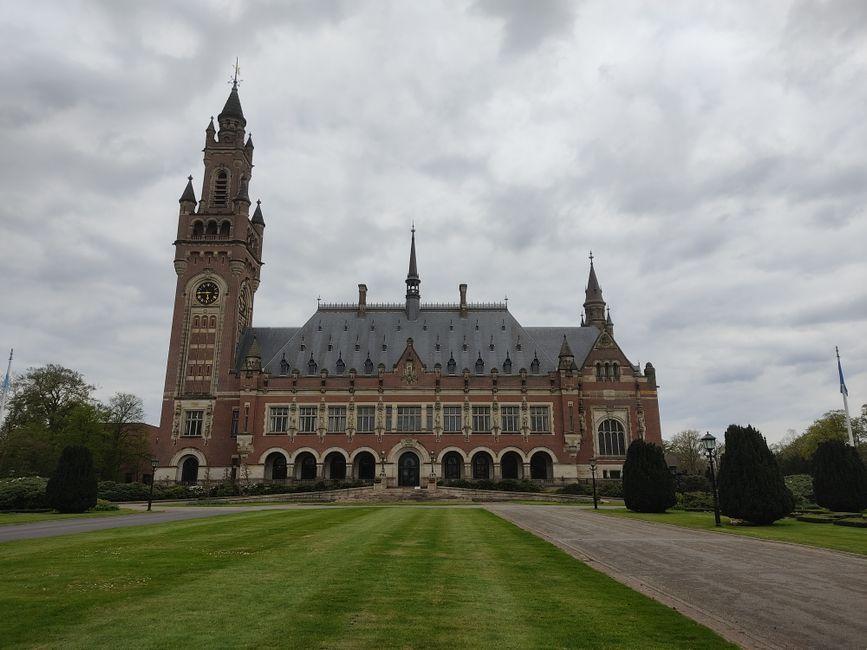
Stock photo for illustration only, not from the actual event
- Ratko Mladić has died at the age of 84 in a UN detention facility in The Hague.
- He was sentenced to life imprisonment in 2017 for genocide and war crimes.
- Mladić spent 16 on the run before being tracked down in rural Serbia in 2011.
- The UN court rejected a bid for his release on compassionate grounds back in May.
Ratko Mladić, the former Bosnian Serb military commander widely known as the 'Butcher of Bosnia', has passed away at the age of 84 inside a United Nations detention facility in The Hague, Netherlands. The UN court confirmed his death in a statement on Thursday, noting that Dutch authorities have already initiated an investigation into the circumstances.
During the conflicts in the former Yugoslavia between 1992 and 1995, Mladić commanded Bosnian Serb forces against the armies of Bosnian Croats and Bosniaks. Troops under his direct command carried out what became known as ethnic cleansing across Bosnia-Herzegovina to forcibly expel the non-Serb population. His forces besieged the capital city of Sarajevo, resulting in the deaths of more than 10,000 people, and perpetrated the massacre of 8,000 men and boys at Srebrenica.
Following the conclusion of the Bosnian war, Mladić evaded capture for 16 years before being located in rural Serbia in 2011. He was subsequently transferred to the Dutch city to stand trial at the international tribunal, a court whose legitimacy he steadfastly refused to recognize throughout the proceedings.
In 2017, Mladić was sentenced to life imprisonment after being found guilty of genocide, war crimes, and crimes against humanity. That sentence was subsequently upheld upon appeal by the UN court in 2021. As he approached the end of his life, he was receiving palliative care in the prison hospital. In May, the court rejected a final appeal for his release, while his defense lawyers stated that he had been bedbound or confined to a wheelchair for an extended period and had suffered a suspected stroke that left him barely able to speak.
"I genuinely believe he protected the Serbian people, because after all, that was his duty."
While internationally reviled as a war criminal, Mladić retained support among certain factions in Serbia. Milorad Dodik, the Bosnian Serb separatist leader, told Reuters that Mladić was respected by the Serbian people as a commander who stood to defend them. In the Serbian capital of Belgrade, some local residents similarly praised his wartime actions.
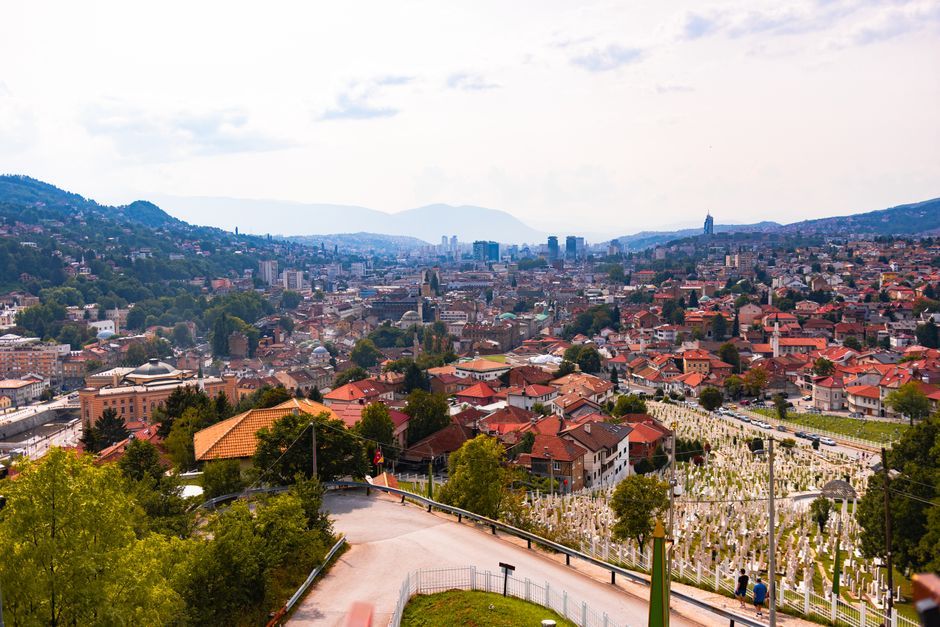
Stock photo for illustration only, not from the actual event
The death of Ratko Mladić marks the final chapter in one of the most protracted and legally significant war crimes prosecutions stemming from the breakup of Yugoslavia. The pursuit, trial, and ultimate conviction of high-ranking military figures underscore the enduring commitment of international jurisprudence to hold perpetrators of mass atrocities accountable, regardless of how many years pass before justice is served.
Source: BBC World
Found something wrong in this article? Report an issue with this article
Comments
Leave a Comment