

Why Ants Invade Electric Kettles & How to Stop Them
Discover why ants target water kettles with only plain water and learn safe methods to prevent and get rid of them from Thairath Lifestyle.
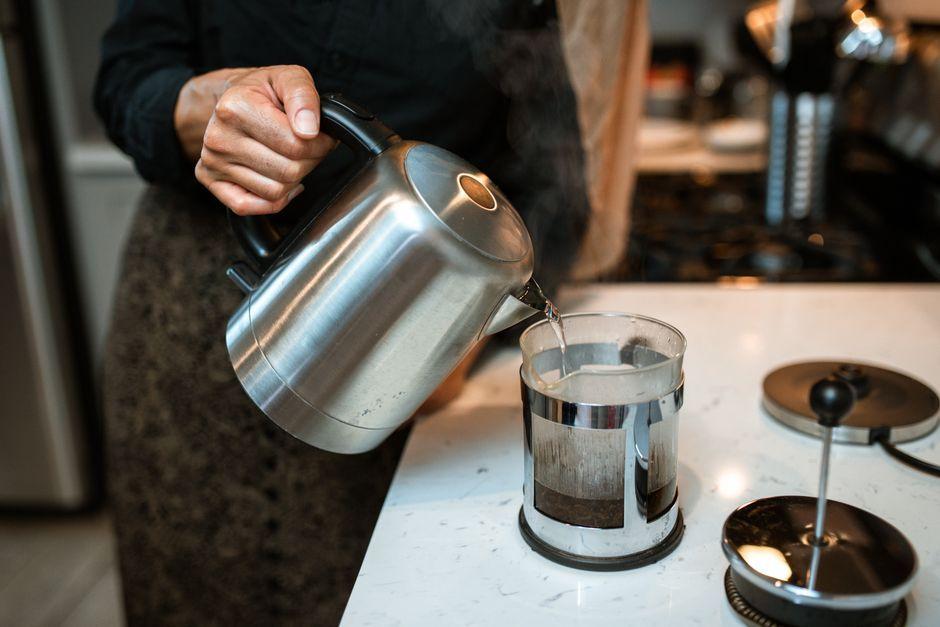
Stock photo for illustration only, not from the actual event
- Ants seek out water and moisture, not just sweet food
- Warm and dark kettle interiors attract them for shelter
- Pheromone trails lead ants back to the exact same spot
- Eliminate ants safely without using hazardous insecticides
Many people have experienced that frustrating morning moment, waking up groggy and hoping to switch on the electric kettle for a favorite cup of coffee, only to recoil in shock upon seeing an army of ants floating or crawling around inside, even though the kettle contains strictly plain water with no hidden sugar or sweetness.
Even with only water inside, ants can infiltrate electric kettles because they do not forage exclusively for sugary foods; they also require water and suitable hiding spots. The potential reasons include:
- Ants need water to survive, especially during hot or dry weather, driving them to seek nearby water sources, including droplets or moisture around the lid and spout.
- An electric kettle left standing after recent use may retain residual warmth, while its dark, narrow interior matches the instinct of ants seeking shelter or a temporary nesting site.
- A major factor may not be the water inside, but rather sugar residue, beverages, food scraps, or hand oils clinging to the lid, handle, base, and surrounding table, where scout ants leave pheromone trails for others to follow.
Ants invading kitchen appliances like kettles is a classic household issue highlighting the resource-foraging behavior of social insects. Their selection of low-heat and humid zones demonstrates high adaptability, meaning effective control requires simultaneously cutting off water, food sources, and chemical trails.
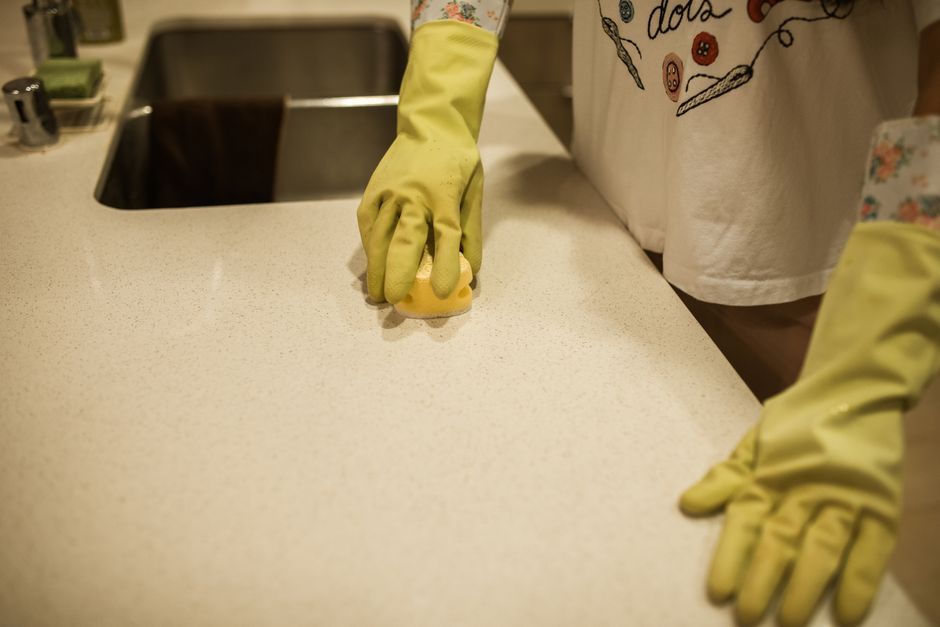
Stock photo for illustration only, not from the actual event
If ants are found inside an electric kettle, avoid spraying insecticides around the unit, base, and food preparation areas, as chemicals can leave residues or contaminate drinking water. Safe prevention and solutions include:
- After use, pour out remaining water and leave the lid open to dry, reducing moisture.
- Unplug before cleaning and wipe walking paths with mild soapy water to remove pheromones.
- Observe ant entry points such as wall cracks or window frames and seal them properly.
- Regularly wipe food stains on counters and store food in tightly sealed containers.
Source: Thairath Lifestyle
Found something wrong in this article? Report an issue with this article
Comments
Leave a Comment