

Thai Panel Urges Action Against Lewd Massage Parade Video
Thivalrat reveals the Religious Affairs Committee urges authorities to use the Computer Crime Act to block lewd Thai massage parade clips to protect UNESCO heritage.

Stock photo for illustration only, not from the actual event
- Religious Affairs Committee urges state action against lewd Thai massage parade clips
- Proposes using Computer Crime Act and amending heritage laws for criminal penalties
- Chochai municipality and Wat Bing clarify they only hosted local traditions unintentionally
- Health Service Support Department tightens oversight on massage venues and ethics
Thivalrat revealed that the House Committee on Religion, Arts and Culture convened relevant agencies following widespread criticism over a viral parade video in Nakhon Ratchasima province featuring sexually explicit parodies of traditional Thai massage. The incident caused deep concern among citizens and Thai massage professionals, as traditional Thai massage is registered by UNESCO as an intangible cultural heritage of humanity, and such depictions could mislead foreigners into associating the practice with sex work.
During the meeting, the committee summoned key agencies including the Department of Cultural Promotion, the Department of Health Service Support, Nakhon Ratchasima Provincial Culture Office, Nakhon Ratchasima Provincial Public Health Office, Nakhon Ratchasima Provincial Office of Buddhism, Nakhon Ratchasima City Municipality, Chochai Subdistrict Municipality, and the Thai Traditional Massage Association to establish preventive measures, despite the organizers having already issued a public apology.
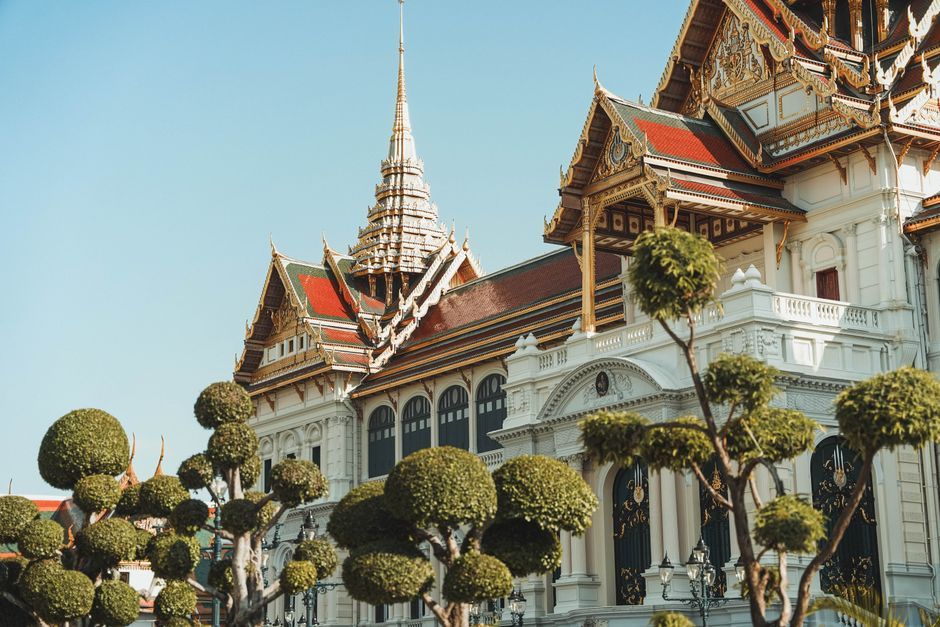
Stock photo for illustration only, not from the actual event
Representatives from Chochai Subdistrict Municipality clarified to the meeting that the parade was organized by a local community group intending to create humor, albeit out of a lack of awareness. Following the public backlash, both the organizers and the municipality issued an official apology and established strict future rules prohibiting obscene content or violations of good morals. Meanwhile, the Nakhon Ratchasima Provincial Office of Buddhism clarified that Wat Bing served merely as a gathering point for the traditional Candle Festival parade, and the abbot and monks had no involvement in conceiving or approving the explicit display.
This incident highlights a critical challenge in safeguarding cultural heritage in the digital age. When local traditions meant for community entertainment are broadcast globally without context, brief misunderstandings can threaten a nation's vital soft power like UNESCO-recognized Thai massage. The prompt legislative and committee response signals that society must establish clear boundaries to protect traditional cultural values from being undermined online.
For long-term prevention, the committee proposed that the Department of Cultural Promotion, acting as the secretariat for the National Intangible Cultural Heritage Policy Committee, exercise its authority under the Intangible Cultural Heritage Promotion and Preservation Act B.E. 2559 (2016) alongside the Computer Crime Act to promptly suspend online text, images, or videos that disparage national cultural heritage. Furthermore, they noted that current laws lack clear criminal penalties for offenders, suggesting legislative amendments to ensure effective deterrence.
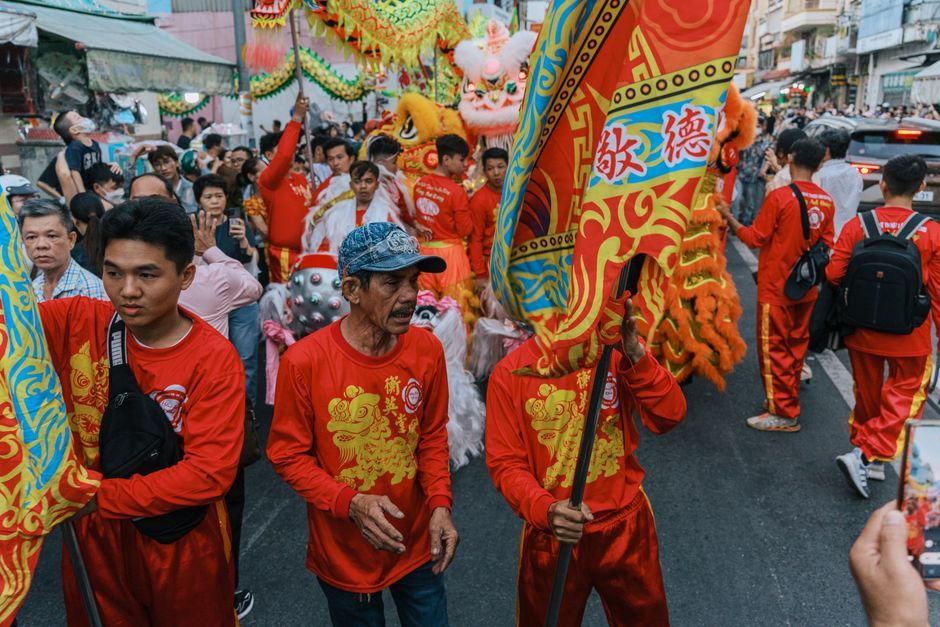
Stock photo for illustration only, not from the actual event
In addition, the committee recommended coordinating with the Ministry of Interior to amend subordinate legislation under the Entertainment Places Act B.E. 2509 (1966) to close loopholes preventing the term "Thai massage" from being misused as a front for soapy massage parlors, which contradicts the true health and therapeutic purpose of the practice.
The Department of Health Service Support stated it will step up inspections of health massage establishments under the Health Establishment Act B.E. 2559 (2016) regarding standards and ethics, while updating regulations to clearly enforce professional ethics for practitioners. Any violations of public morality will lead to legal action up to the revocation of licenses.
"Traditional Thai massage is not a sexual joke or a tool for obscene comedy, but a science of healing, healthcare, and a priceless global cultural heritage of humanity that all Thai people must cherish, protect, and proudly pass on."
Thivalrat
Source: Matichon Politics
Found something wrong in this article? Report an issue with this article
Comments
Leave a Comment