

Shein swings to $99m loss as Trump tariffs hit sales
Fast-fashion giant reveals a quarterly loss as import duties change, while preparing for a long-awaited Hong Kong stock market debut.
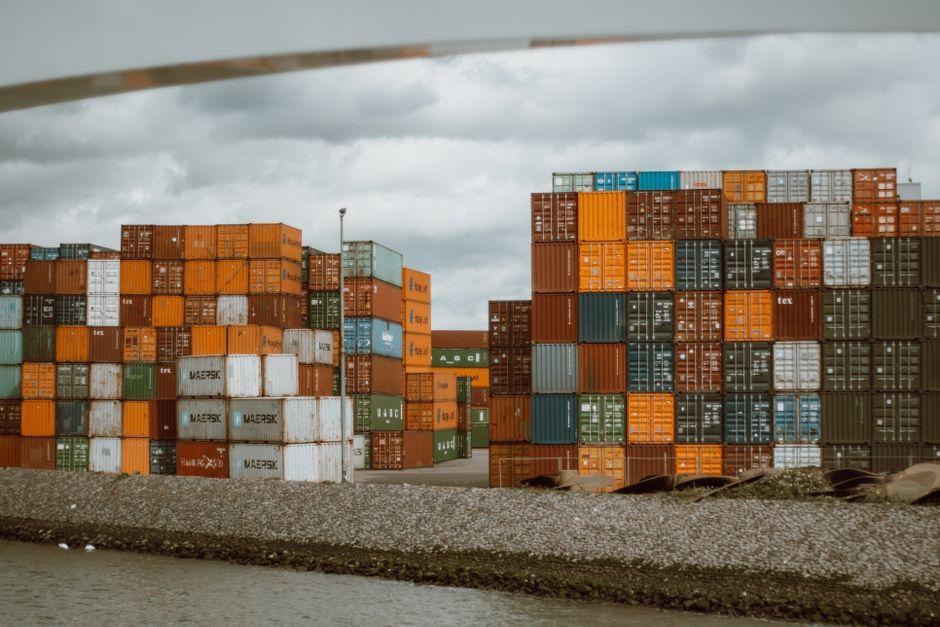
Stock photo for illustration only, not from the actual event
- Shein reported a $99m net loss in the first quarter, dropping from a $395m net income a year earlier.
- Sales slowed significantly following the removal of the US de minimis import duty exemption.
- The company is preparing for an initial public offering in Hong Kong after failed attempts in New York and London.
- Active customer count reached 281 million, marking an increase of over 16% year-on-year.
Fast-fashion giant Shein, headquartered in Singapore and founded in China, has announced that it swung to a quarterly net loss of $99m (£74.1m) during the first three months of the year. This steep decline marks a sharp reversal from the net income of $395m recorded during the same period a year earlier. The company's sales momentum slowed down significantly after US President Donald Trump eliminated the import duty exemption previously applied to small-package shipments.
The regulatory filing noted that the first-quarter figures partially reflected a paper loss of $328m resulting from an accounting modification for special investor shares, which can later be converted into ordinary stock and whose valuations fluctuate ahead of a listing. Furthermore, the firm noted that ongoing uncertainties surrounding the paused US-China trade wars, alongside the war in Iran, have negatively impacted consumer demand, elevated operational expenses, and caused delivery delays across multiple international markets.
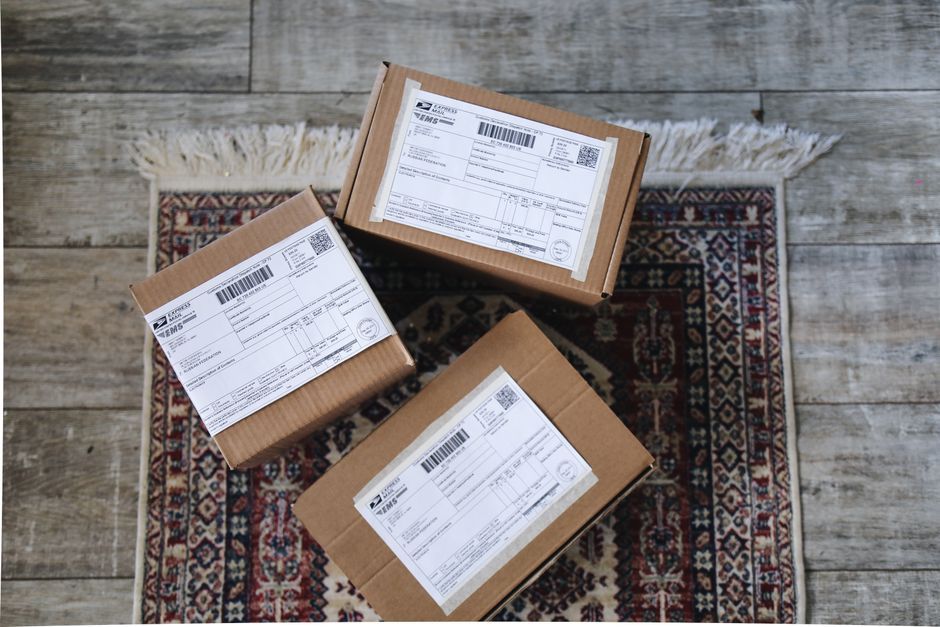
Stock photo for illustration only, not from the actual event
The financial impact stems from an executive order signed by Donald Trump that officially terminated the global tariff exemption heavily utilized by American shoppers purchasing low-cost merchandise. Taking effect on August 29, 2025, the order expanded an earlier presidential directive that specifically targeted inexpensive products originating from China and Hong Kong to encompass the rest of the world. The de minimis exemption previously allowed merchandise valued at $800 or less to enter the United States completely tariff-free, driving massive consumer reliance on e-commerce platforms like Shein and Temu. The White House stated that the global exemption was being exploited to evade tariffs and smuggle dangerous synthetic opioids into the country.
Despite these regulatory hurdles, the company's filing revealed that in the year leading up to the end of March 2026, Shein maintained 281 million active customers—representing a growth of more than 16% compared to the previous year—who collectively placed over one billion orders. The announcement forms a crucial part of the firm's strategic preparations for its stock market debut in Hong Kong, following unsuccessful attempts to list in both New York and London. On July 10, the China Securities Regulatory Commission granted Shein formal approval for the Hong Kong share sale, which is anticipated to occur in the coming months, although the filing omitted specifics regarding the size, exact timetable, or pricing of the IPO.
"In response to the increased duties and taxes, we are pursuing a wide range of options, including increasing our prices in the US market to offset a portion of the increased costs,"
Shein
The dismantling of the $800 de minimis threshold represents a major structural shock to cross-border e-commerce and fast-fashion business models. Historically, these platforms relied on direct-to-consumer low-value parcel shipping to bypass standard customs barriers. With the United States closing this loophole and the European Union similarly implementing a €3 levy on low-value imports in July, companies like Shein are forced to rethink their pricing strategies and supply chains, potentially softening the extreme price advantages that fueled their explosive global growth.
Source: BBC Business
Found something wrong in this article? Report an issue with this article
Comments
Leave a Comment