

Macron calls crisis meeting as wildfires threaten Bordeaux and heatwave looms
French President Emmanuel Macron will hold an emergency cabinet meeting on Monday as wildfires close in on Bordeaux, with temperatures forecast to hit 40C.
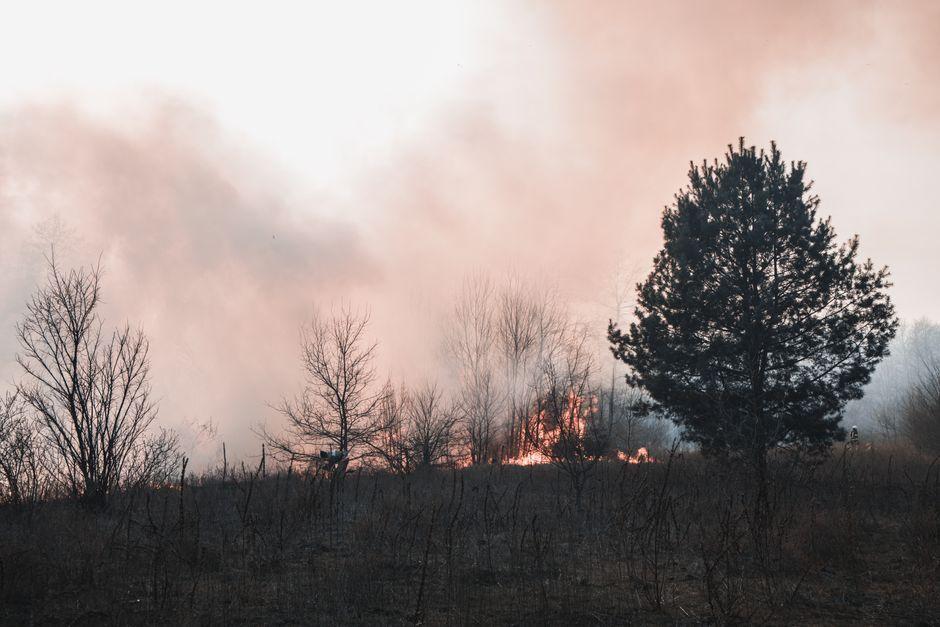
Stock photo for illustration only, not from the actual event
- Emmanuel Macron calls crisis cabinet meeting for Monday
- Wildfires close within 15km of the city of Bordeaux
- Weather forecasts warn of temperatures peaking at 40C
- Over 330,000 people evacuated across France and Spain
French President Emmanuel Macron is set to hold a crisis cabinet meeting on Monday as fast-moving wildfires close in on the south-western city of Bordeaux, heightening the urgency of the nation's disaster response.
Thomas Cazenave, mayor of Bordeaux, stated that the expanding blaze is currently located about 15 kilometers, or roughly 9 miles, away from the city. At present, officials reported there are no active plans to evacuate the population of approximately 850,000 residents, though the situation remains highly volatile.
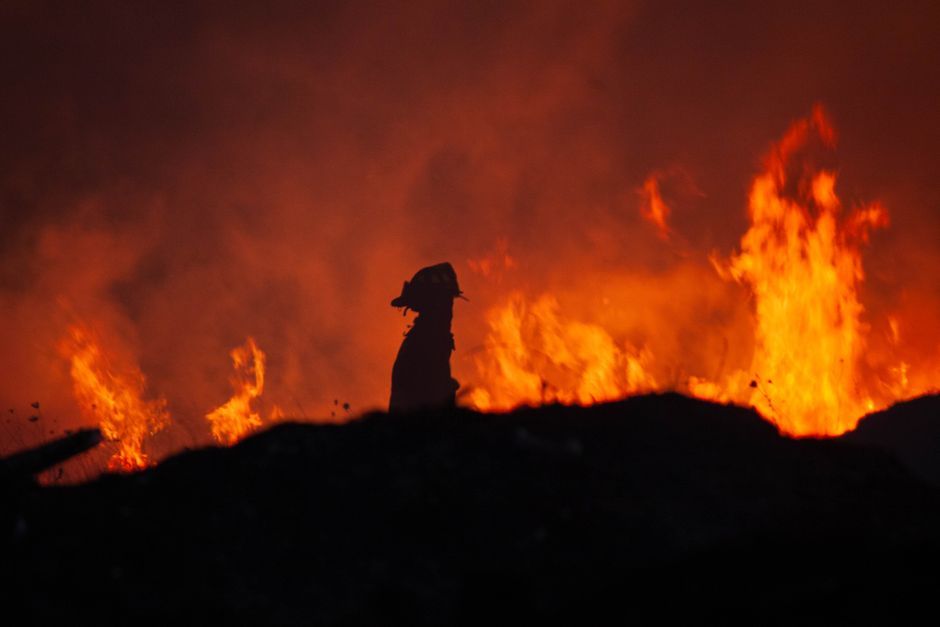
Stock photo for illustration only, not from the actual event
National weather forecasts have issued stark warnings that temperatures could spike as high as 40C in select regions starting Tuesday. This incoming heatwave is expected to severely complicate ongoing containment efforts deployed by emergency services.
Destructive wildfires have torn across Europe over the past week, predominantly striking France and Spain, where a combined total of more than 330,000 people have been forced to evacuate their homes. In south-western France alone, approximately 42,000 hectares have been scorched in what marks one of the largest forest fires recorded since World War Two. Since the beginning of the year, roughly 98,000 hectares have been burned nationwide.
The escalating frequency and intensity of catastrophic wildfires across Europe highlight the profound fingerprints of human-driven climate change. Prolonged periods of extreme heat and severe meteorological drought dry out vegetation and forest floors, creating tinderbox conditions that allow fires to ignite easily, spread rapidly, and overwhelm traditional firefighting capabilities across the continent.
Authorities noted that to fully bring the massive blaze under control, the region would require either heavy rainfall persisting for three continuous days or tactical intervention by firefighters to steer the flames toward a natural barrier where they can burn out independently, such as the sea.
Meanwhile, firefighters in Spain confronted a fresh outbreak on Sunday near the eastern coastal city of Valencia, driving roughly 15,000 people to flee. Fernando Grande-Marlaska, Spain's Interior Minister, who is scheduled to visit impacted zones in Valencia on Monday, reported that the fires are currently advancing at a slow pace.
"Difficult hours lie ahead."
Pedro Sanchez
Spanish Prime Minister Pedro Sanchez delivered that assessment during a visit to the active fire zone in Ávila province, located west of Madrid, where he strongly advocated for a major public pact addressing the climate emergency.
Sara Aagesen, Spain's Minister for Ecological Transition, stated on Sunday that approximately 77,000 hectares have been impacted by fires nationwide, adding that the fierce blaze consuming the Ávila region stands as the largest recorded in the country's recent history.
Source: BBC Science & Environment
Found something wrong in this article? Report an issue with this article
Comments
Leave a Comment