

Cryoablation: Non-surgical tumor treatment using extreme cold
Discover Cryoablation, an advanced non-surgical treatment using extreme cold to destroy tumors with needle-thin precision and fast recovery.

Stock photo for illustration only, not from the actual event
- Cryoablation uses extreme cold to destroy cancer cells and tumors without surgery
- A needle-thin cryoprobe is guided by ultrasound or CT scan technology
- Ideal for 2-4 cm tumors in the breast, kidney, lung, and liver
- Requires only a 1-night hospital stay with wounds healing in 3-5 days
Cryoablation is an advanced medical technology that utilizes extreme cold temperatures to destroy cancer cells and tumors precisely. Currently, the technology for generating freezing ice crystals in cryoablation is divided into two main mechanisms: using inert gases such as argon or helium, and using liquid nitrogen. Both methods offer high safety standards and comparable therapeutic efficacy for patients.
The procedure is performed by an interventional radiologist who utilizes ultrasound and/or computed tomography (CT scan) for imaging guidance. This allows the physician to accurately and safely insert a very thin freezing needle, known as a cryoprobe, directly into the tumor site without the need for open surgery. The cryoprobe is approximately the size of a pen tip, delivering ultra-low temperatures specifically targeted at the malignant tissue.
When compared to thermal ablation techniques such as radiofrequency ablation (RFA) or microwave ablation, cryoablation typically causes less pain for patients during and after the procedure. It can also help alleviate pain caused by tumors. This makes it an alternative choice for patients who cannot undergo surgery, prefer non-surgical options, or face high surgical risks. Treatable conditions include:
- Tumors and cancers in the breast, kidney, lung, and liver
- Tumors in bones, soft tissues, and skeletal muscles
- Vascular anomalies such as hemangioma and venous malformations
For treatment planning, cryoablation is generally suitable for individuals with tumors measuring approximately 2 to 4 centimeters whose locations are clearly visible via ultrasound. Typically, the procedure is performed only once because the target tumor cells are thoroughly destroyed by the extreme cold during the session. However, the number of sessions may vary depending on the size, location, and characteristics of the tumor, as well as the physician's clinical judgment.
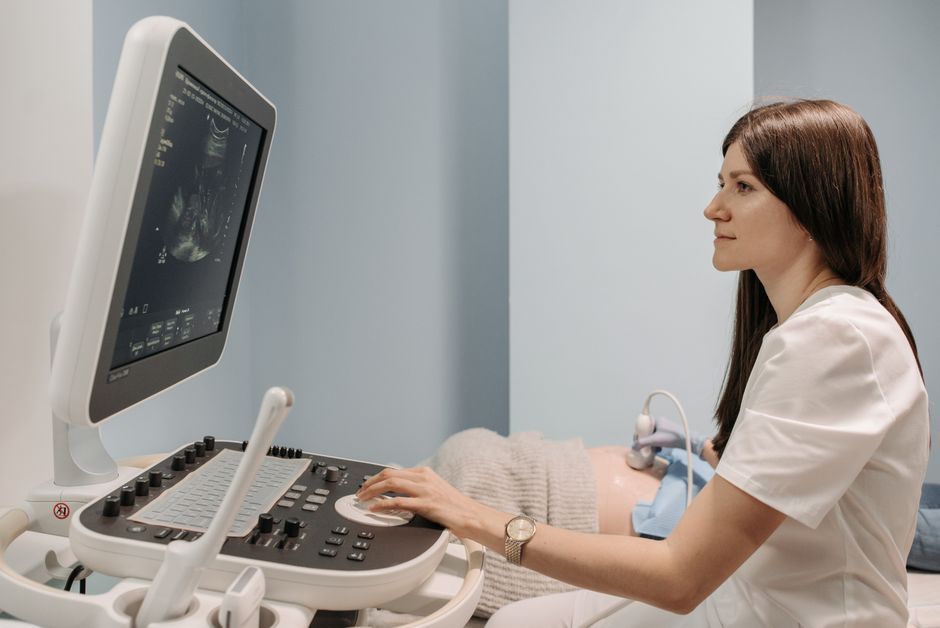
Stock photo for illustration only, not from the actual event
"Cryoablation typically causes less pain for patients during and after the procedure, and helps alleviate pain caused by tumors or growths."
Dr. Sukrit Solospinyo, Interventional Radiologist
Understanding the differences between cold-based ablation (cryoablation) and heat-based methods helps patients weigh their medical options effectively. Extreme cold can naturally numb local nerve endings during the procedure, often resulting in a more comfortable patient experience compared to high heat. While this technology significantly reduces complications associated with open surgery, a thorough evaluation by an interventional radiologist remains crucial, as not all tumor locations can be safely accessed via percutaneous needle placement.
Following the procedure, patients may experience minor pain or tightness at the treatment site, which can be managed with paracetamol. Patients generally stay for a 1-night hospital observation and can return home the next day without requiring additional wound care, other than keeping a waterproof bandage on for at least 72 hours while avoiding strenuous exercise or heavy lifting for 3 days. All information is supported by Dr. Sukrit Solospinyo, an interventional radiologist specializing in scarless treatments at Samitivej Sukhumvit Hospital.
Source: Thairath Lifestyle
Found something wrong in this article? Report an issue with this article
Comments
Leave a Comment