

Alaska Airlines Hit Hard by Surging Fuel Costs, Driving Nearly $500 Million Loss in First Half
Alaska Airlines faces a loss of nearly $500 million in the first half of the year after fuel costs spiked by 85%, though executives remain confident of a second-half turnaround driven by strong travel demand.
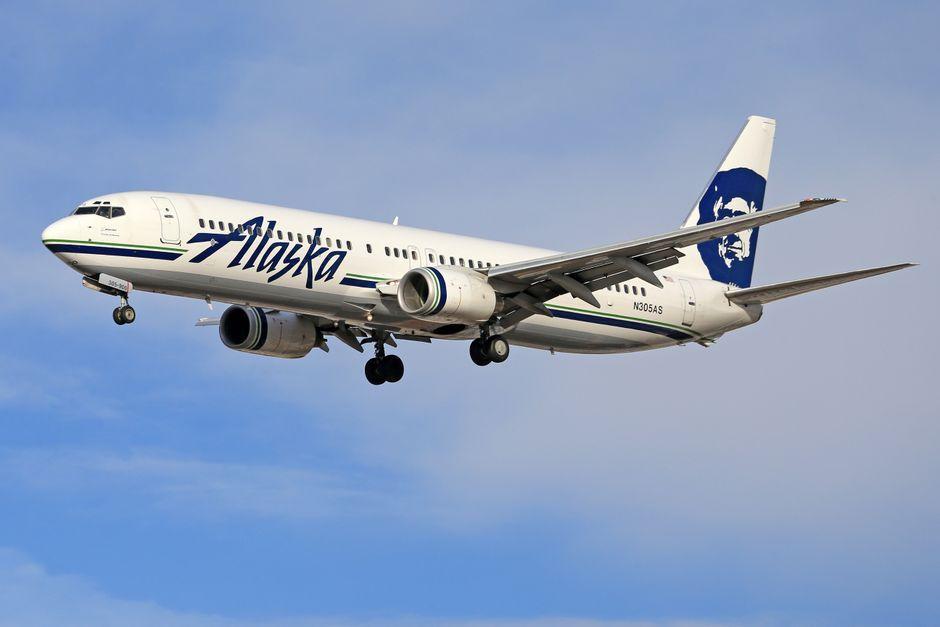
Stock photo for illustration only, not from the actual event
- Alaska Airlines posted a loss of nearly $500 million in the first half and $76 million in the second quarter.
- Fuel costs surged 85% to reach $1.3 billion, creating a heavy burden from Western operational costs.
- Executives project second-half financial results to completely reverse thanks to high travel demand.
- Aiming to expand international routes and premium seating to close the profit gap with major airlines.
Alaska Airlines' financial situation faced intense pressure as the company reported a loss of nearly $500 million throughout the first half of this year, primarily driven by continuously soaring jet fuel prices that unavoidably impacted the airline's operating costs.
In the second quarter alone, the airline reported a net loss of $76 million, with fuel expenses soaring to $1.3 billion—representing an 85% increase compared to the same period of the previous year. This exorbitant fuel cost factor previously forced Alaska Airlines and JetBlue to suspend their business outlooks earlier this year.
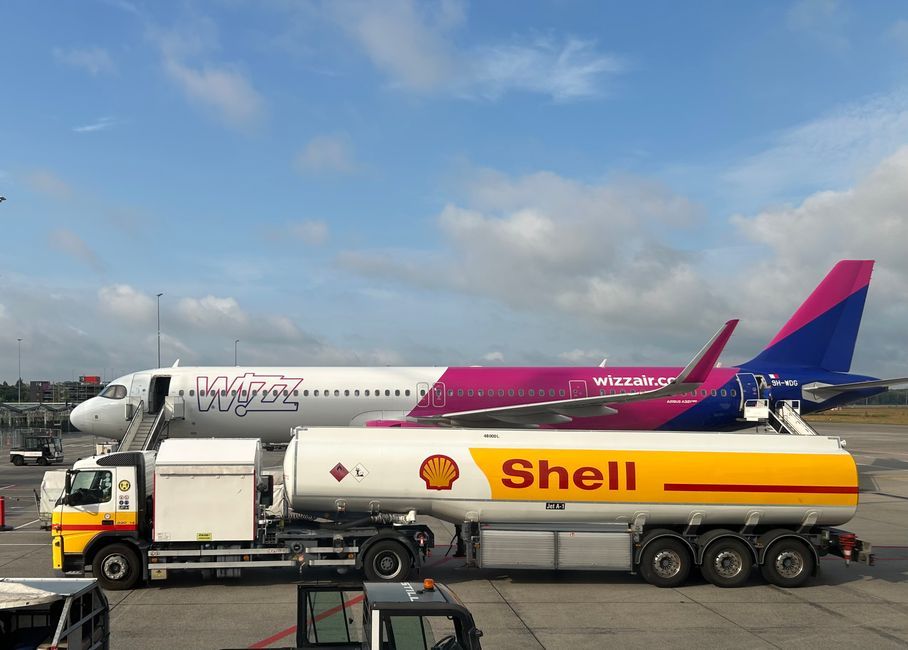
This cost vulnerability stems in part from the concentration of operations on the U.S. West Coast, which forces Alaska Airlines to absorb noticeably higher per-gallon fuel prices than its competitors. The company paid an average of $4.43 per gallon for fuel, while Delta Air Lines paid $3.93 and United Airlines paid $4.19.
"We lost nearly $500 million in the first half of the year, which is something we don't love, but the back half of the year is going to be the exact opposite of what we experienced in the first half for us."
Ben Minicucci, CEO of Alaska Airlines
The fact that West Coast airlines in the U.S. face higher fuel costs than other regions is often related to local infrastructure and pipeline transportation constraints, which make logistics costs more expensive than hubs on the East Coast or in the Midwest. Management's expectation of a second-half turnaround will therefore rely on precise unit revenue management and capacity control.
Despite facing massive losses, Ben Minicucci, CEO of Alaska Airlines, expressed confidence during a meeting with analysts on Wednesday that the business trajectory in the second half of the year will undoubtedly recover, supported by sustained travel demand and potential downward trends in fuel prices.
Source: Skift
Found something wrong in this article? Report an issue with this article
Comments
Leave a Comment