

Violence in Ceuta: Protesters Burn Migrant Camps and Clash
Unrest erupts in the Spanish exclave of Ceuta after 72,000 migrants crossed over, with locals blocking aid distribution and torching camps.
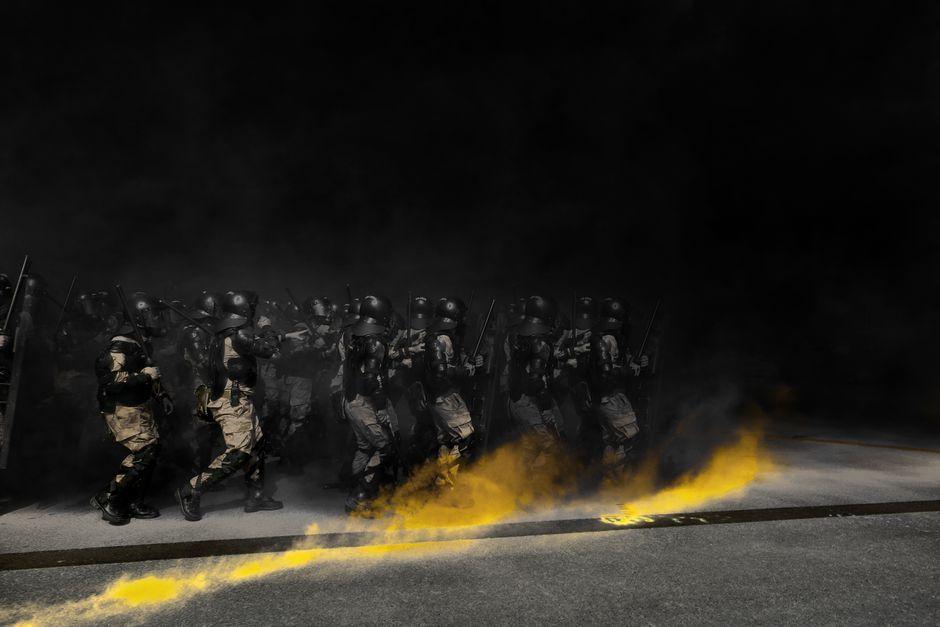
Stock photo for illustration only, not from the actual event
- Local residents in Ceuta set fire to migrant camps on Trampolín beach and blocked humanitarian aid.
- Protesters clashed with police and vigilante groups hunted migrants following the arrest of 12 suspects.
- Opposition parties and the city mayor heavily criticized the central government's handling of the crisis.
- The Spanish government centralized crisis management to relocate migrants into public buildings.
The migrant crisis in the Spanish North African exclave of Ceuta has escalated into violent clashes as mounting tensions between local residents and foreign arrivals reach a boiling point, roughly a month after tens of thousands of people entered the city.
The situation follows a mass crossing on July 30 and 31, during which at least 72,000 migrants crossed from Morocco into Ceuta. Most swam around a border fence, and at least 100 people died during the mass influx according to figures provided by Ceuta's mayor. While the vast majority returned to Morocco within hours, several thousand remain stranded, many of them children sleeping rough on beaches and streets.

Stock photo for illustration only, not from the actual event
On Thursday, the situation turned critical when dozens of locals prevented Red Cross personnel from distributing food and water to the migrants. Some individuals subsequently set fire to migrant camps on Trampolín beach, the primary sleeping site, while violent clashes broke out with the police. These incidents followed the arrest of 12 migrants accused of pelting a military vehicle with stones, shattering its windows, and injuring four men inside. Reports also emerged of vigilante groups pursuing migrants through the streets, alongside threats directed at journalists and film crews.
Juan Jesús Vivas, the conservative mayor of the exclave, told Antena 3 television that the city has been under immense pressure and deserves normality, emphasizing that Spain's dignity is at stake. Meanwhile, the socialist-led government of Prime Minister Pedro Sánchez appealed for calm and accused Vivas's People's Party and the far-right Vox of stoking the tensions.
"We have heard during these weeks rhetoric and comments that contribute to the stigmatisation of immigrants and which feed social division at a moment when what we need is responsibility and statesmanship."
Fernando Grande-Marlaska, Spanish Interior Minister
Earlier in the week, the central government centralized management of the crisis, overriding local authorities after facing criticism for a sluggish response. Much of the local animosity stems from government plans to transfer migrants into existing public buildings, such as sports centers, to process their legal statuses orderly and deport those ineligible for asylum. Mayor Vivas and local residents strongly oppose the initiative over concerns it places migrants too close to residential neighborhoods.
The migration crisis in Ceuta and Melilla highlights deep geopolitical sensitivities, as Morocco maintains a longstanding sovereignty claim over these Spanish territories in North Africa. Influxes of migrants are frequently viewed through the lens of regional political leverage, while friction between Spain's central administration and local governments underscores the immense challenge of balancing humanitarian duties with domestic security concerns.
Source: BBC World
Found something wrong in this article? Report an issue with this article
Comments
Leave a Comment