

US Judge Rules Trump Blacklisting of Anthropic Illegal
A federal judge has ruled the government's blacklisting of AI firm Anthropic unlawful after the company refused to support lethal autonomous warfare and mass surveillance.

Stock photo for illustration only, not from the actual event
- A US federal judge has declared the government ban on Anthropic illegal.
- Anthropic explicitly refused to participate in lethal autonomous warfare projects.
- The company also declined involvement in government mass surveillance initiatives.
- This ruling sets a major legal precedent for executive overreach against tech firms.
A United States federal court has handed down a significant ruling regarding technology policy, declaring that the government's decision under Donald Trump to blacklist AI developer Anthropic is unlawful. This judicial decision has sent shockwaves through both the artificial intelligence industry and federal defense agencies across the nation.
The core friction between the administration and Anthropic stemmed from the company's firm refusal to support specific military initiatives. Specifically, Anthropic declined to assist in the development of lethal autonomous weapons capable of operating without direct human oversight, as well as large-scale mass surveillance systems targeting citizens, which conflicted with their core AI safety principles.
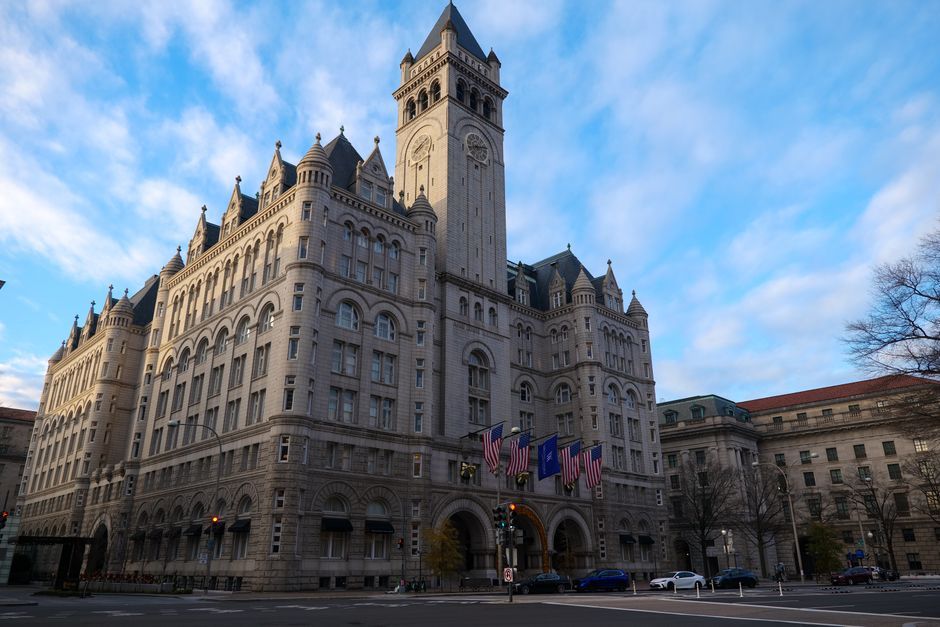
Stock photo for illustration only, not from the actual event
The clash between AI developers and the state in the Anthropic case highlights mounting ethical dilemmas as artificial intelligence integrates into modern defense strategies. By ruling the blacklisting illegal, the judiciary reinforces constitutional limits on executive power, signaling that tech companies may retain legal protections when declining government projects that pose severe human rights and ethical concerns.
While the administration retains broad authority over national security matters, punitive measures directed at private enterprises for refusing alignment must still adhere to legal boundaries. The judge's intervention safeguards corporate independence in upholding safety guardrails for the powerful technologies they create.
Source: Ars Technica
Found something wrong in this article? Report an issue with this article
Comments
Leave a Comment