

China’s $770 Million Crackdown on Trip.com Is Really About Platform Power
Beijing hits Trip.com Group with a massive antitrust penalty, confiscating illegal gains and enforcing strict platform rules.
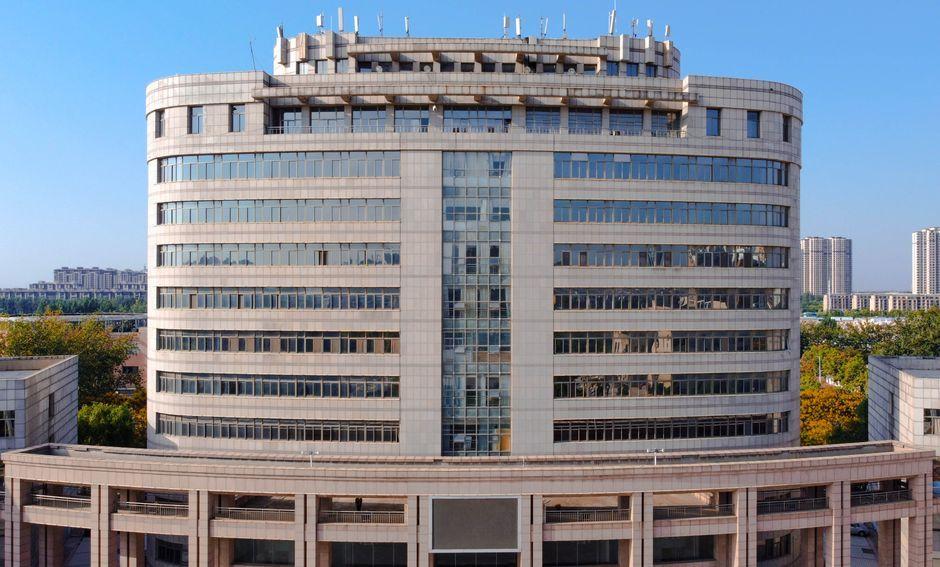
Stock photo for illustration only, not from the actual event
- Trip.com Group faces a total RMB 5.2 billion ($770 million) penalty for anti-monopoly violations.
- The penalty includes RMB 1.66 billion in confiscated gains, a RMB 3.52 billion fine, and a RMB 122 million deposit refund.
- Regulators cracked down on forced exclusivity deals and internet-wide lowest price mandates.
- The move aligns with Beijing's anti-involution campaign and has already trimmed Trip.com's Q2 revenue guidance.
China's State Administration for Market Regulation (SAMR) has slapped Trip.com Group with a staggering RMB 5.2 billion ($770 million) penalty for anti-monopoly violations. This marks the country's most significant platform antitrust penalty since Alibaba was hit with a $2.6 billion fine back in 2021.
Regulators concluded after a thorough investigation that Trip.com Group leveraged traffic-allocation mechanisms, platform rules, and technical measures to force hotels into exclusive arrangements while demanding "lowest price across the internet" terms from business partners.
The heavy financial penalty comprises the confiscation of RMB 1.66 billion ($250 million) in illegal gains, a direct fine of RMB 3.52 billion ($520 million) which equals 7.5% of Trip.com's 2025 revenue generated inside Mainland China, and an order to refund RMB 122 million ($18 million) in withheld hotel security deposits.

Stock photo for illustration only, not from the actual event
Beyond a routine antitrust enforcement, this penalty highlights Beijing's broader campaign against 'involution'—a term describing self-defeating, cutthroat competition among tech giants that ultimately squeezes smaller merchants. With Trip.com commanding roughly 56% of China's hotel and travel GMV in 2024 (far ahead of rival Tongcheng's 15%), regulatory scrutiny serves to curb unchecked platform dominance and level the playing field.
Trip.com stated that it would "fully comply" with the ruling and adopt comprehensive rectification measures. The probe, which officially opened in January, followed years of mounting regulatory friction and ongoing complaints from smaller hospitality operators.
The financial fallout from these regulatory adjustments was already visible prior to the final ruling, prompting the company to slash its second-quarter revenue growth guidance down to 3% to 8%, a steep drop from the 17% growth reported in the first quarter.
Source: Skift
Found something wrong in this article? Report an issue with this article
Comments
Leave a Comment