

England Water Shortage 2055: Facing Daily 5B Litre Deficit
England faces severe droughts and dropping river levels, risking a daily 5 billion litre water deficit by 2055 as households consume more than Danes.
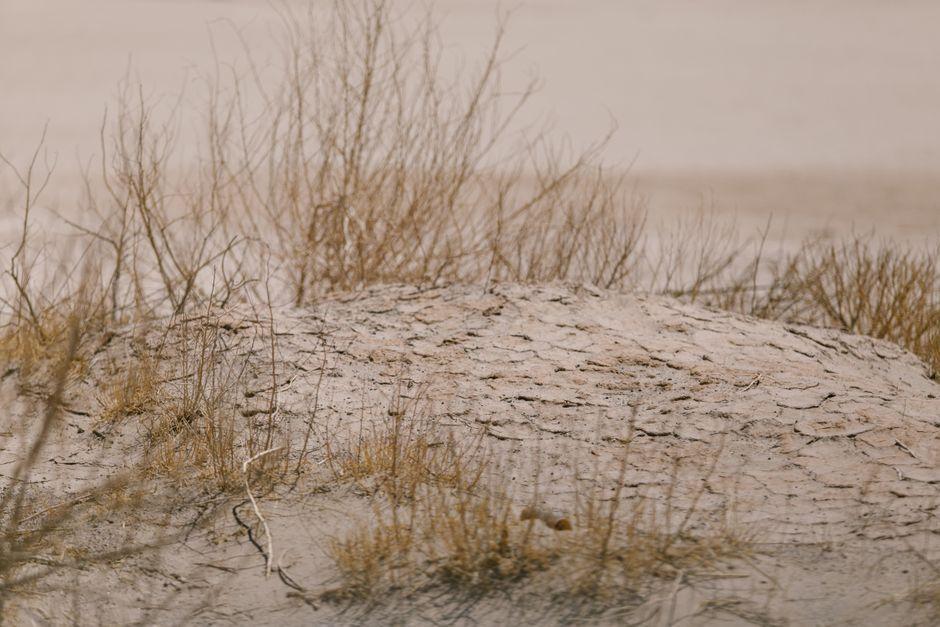
Stock photo for illustration only, not from the actual event
- Suffolk farms faced temporary bans on river water extraction due to critically low river levels.
- England could face a public water supply shortfall of 5 billion litres a day by 2055.
- Daily per capita water consumption in England is 136.5 litres, compared to 97 litres in Denmark.
- Experts argue that water in England is priced too cheaply, hindering efficient resource conservation.
One evening in early August, Daniel Sizer, a fourth-generation farmer in Suffolk, received an urgent message on his phone from his local water board stating that river levels were critically low and only permitted one night of irrigation. His 300-hectare farm, much like the lower half of England, had experienced barely any rainfall across nearly three consecutive months, leaving crops such as peas and wheat severely parched.
The Environment Agency (EA) had to temporarily ban Daniel and thousands of other farmers from extracting water from rivers in July because water levels dropped so low that continuous pumping threatened local wildlife and river ecosystems. The situation highlights a growing and deeply troubling trend for the country's agricultural and public sectors.
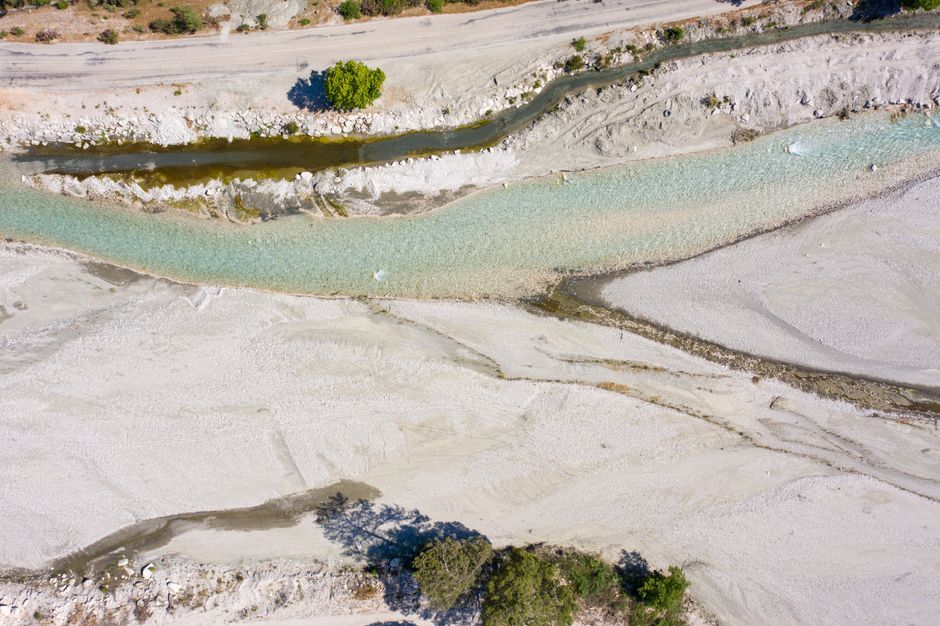
Stock photo for illustration only, not from the actual event
Driven by increasingly frequent and intense heatwaves, significantly reduced rainfall linked to climate change, and a projected surge in water demand, England faces the stark prospect of running out of water. Projections indicate that by 2055, the country will face a public water supply shortfall of 5 billion litres every single day—an amount nearly sufficient to fill Wembley Stadium four and a half times daily. These pressures impact England far more severely than other parts of the UK.
Households account for nearly 60% of total water consumption across England and Wales. According to Danva, Denmark's water and wastewater industry body, residents there consume 97 litres of water per person per day, while the average in England sits significantly higher at 136.5 litres. This disparity stems from generational shifts in daily habits, moving from shared weekly family baths to taking multiple showers per day.
Context Note: The looming water crisis in England is compounded by aging infrastructure and high leakage rates across pipe networks. Water companies face mounting public and regulatory scrutiny to overhaul these systems alongside ongoing efforts to curb domestic consumption.
Daniel Johns, managing director of Water Resources East, points out that water in England is simply "too cheap," leading citizens to take continuous availability for granted. In Denmark, where water meters are mandatory, residents pay an average of 9.45 pounds per cubic metre for water and wastewater services. In contrast, UK prices are substantially lower, ranging from 4.21 pounds at Thames Water to 7.06 pounds at Southern Water.
"People assume that it will always be readily available. And we need to wean ourselves off that kind of idea that water will always be there."
Daniel Johns, Water Resources East
Will Willoughby, director of water supply at Wessex Water, acknowledges that public distrust and negative perceptions of water companies have limited the effectiveness of industry-led conservation campaigns. He suggests that government intervention could be much more effective in rebuilding public trust and rallying citizens to protect essential water resources.
Source: BBC Science & Environment
Found something wrong in this article? Report an issue with this article
Comments
Leave a Comment