

The Fun Palace: Cedric Price's 1960s Visionary Project That Never Was
Exploring Cedric Price and Joan Littlewood's utopian 1960s Fun Palace, an adaptable architectural vision that laid the groundwork for human-centric design.

Stock photo for illustration only, not from the actual event
- Architect Cedric Price and Joan Littlewood conceived the Fun Palace in 1960s London
- The utopian project featured highly adaptable spaces for learning and creativity
- The creators deliberately designed the structure to have a short, temporary lifespan
- Although unbuilt, it fundamentally transformed the dialogue between architecture and human use
Back in 1960s London, architect Cedric Price embarked on an ambitious project that would ultimately never see the light of day. Approached by radical theater practitioner Joan Littlewood, the Fun Palace initiative was launched as a method to animate defunct public spaces. Together, they formulated a utopian master plan centered on highly adaptable environments engineered to foster learning, creativity, and knowledge generation.
A review of the extensive collection of drawings, schemes, and writings left behind by Price reveals that the Fun Palace possessed the capacity to harbor any dream and fulfill the ultimate creative endeavor. Although it never progressed to physical realization, the project proved foundational in expanding the limits of how built architecture interacts with human activity.
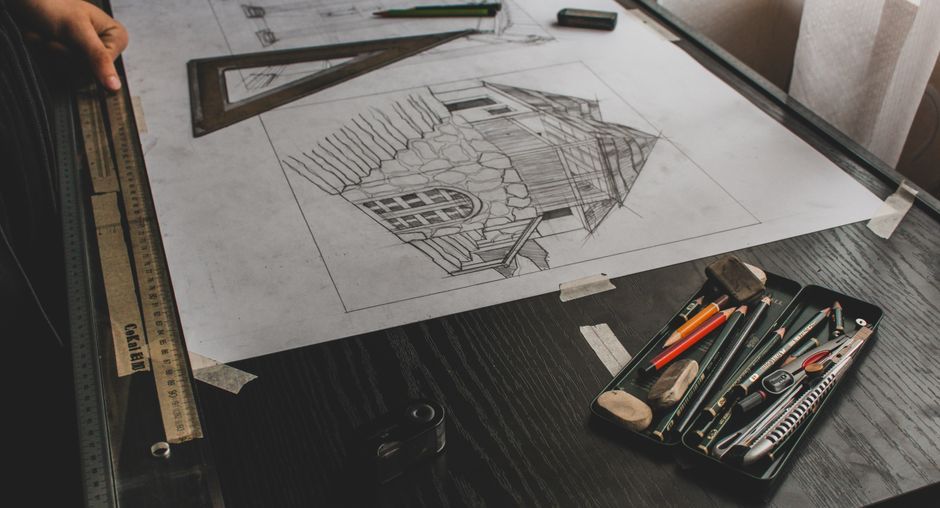
Stock photo for illustration only, not from the actual event
Cedric Price's visionary approach prefigured modern concepts of flexible and participatory architecture, where buildings are not static monuments but dynamic frameworks shaped by human interaction. This philosophy continues to influence contemporary urban design, emphasizing spaces that adapt to community needs rather than imposing rigid structural limitations.
Nevertheless, it is worth noting that a sense of ephemerality was purposefully embedded into the core of the Fun Palace from the very beginning. The 1964 brochure detailing the universe inside the palace explicitly outlined this intent, stating that the creators were constructing a short-term plaything allowing everyone to realize the possibilities and delights owed by a 20th-century urban environment, emphasizing that it must last no longer than necessary.
Source: designboom
Found something wrong in this article? Report an issue with this article
Comments
Leave a Comment