

How to Pick Sweet and Juicy Watermelon Using Rind Patterns
Discover expert tips from Thairath Lifestyle to choose ripe, sweet watermelons by checking rind stripes, yellow spots, and stems.
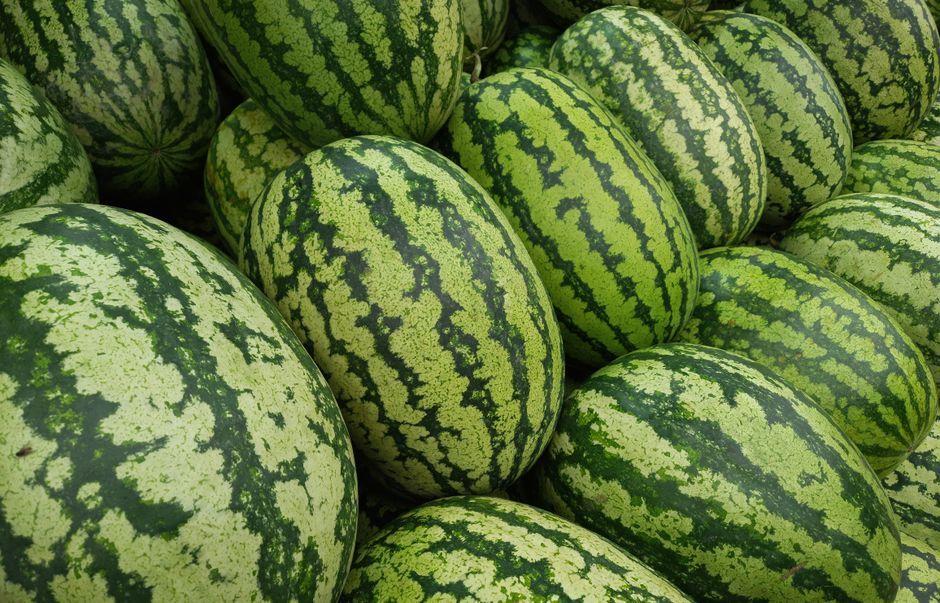
Stock photo for illustration only, not from the actual event
- Look for sharp, continuous dark green stripes from stem to bottom
- Wider light green gaps indicate maximum sweetness and maturity
- Ground spots should be dark yellow or creamy yellow in color
- Choose asymmetrical fruit with dry brown stems and heavy weight
Watermelon is a popular refreshing fruit, but a common frustration for consumers is cutting into a pale, tasteless flesh. To avoid relying purely on luck, shoppers can inspect the exterior physical characteristics and stripe patterns on striped varieties like torpedo or Jintara watermelons to determine ripeness.
Natural growth processes cause patterns on the rind to evolve as the fruit matures. Key visual indicators to evaluate inner quality include the following aspects:
- Clear and continuous stripes: Fully ripe fruit features distinct, dark stripes running from stem to bottom. Blurry or broken lines indicate unripeness.
- Stripe spacing: Light green gaps between dark stripes should expand and look spacious, signaling that the inner flesh has fully expanded and accumulated maximum sweetness.
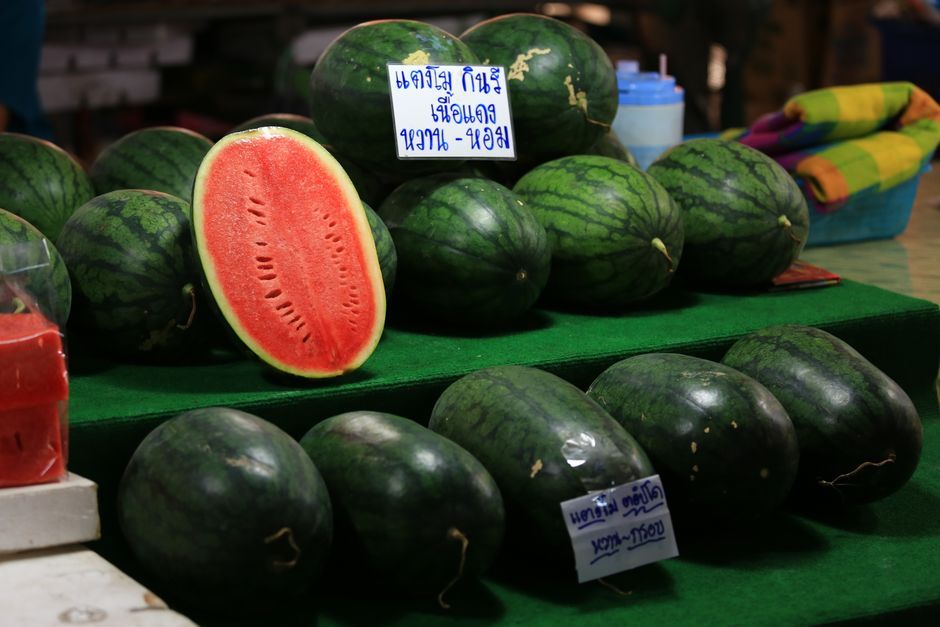
Stock photo for illustration only, not from the actual event
Beyond the surface stripes, growers recommend checking three additional key points to guarantee a sweet and juicy fruit before taking it to the checkout scale.
- Ground spot color: The area resting on the soil should be dark yellow or cream. White or absent spots indicate early harvesting.
- Dry curled stem: The remaining stem should be dry, brown, and curled, showing it ripened on the vine rather than being cut prematurely.
- Shape and weight: The fruit should be symmetrical without distortion and feel noticeably heavy for its size, confirming dense internal water content.
Selecting watermelons through physical traits such as rind markings and ground contact points relies on the natural biology of fruit maturation. As sugars concentrate inside the fruit and moisture evaporates near the stem, external visual shifts occur organically. Understanding these biological markers helps consumers consistently identify optimal ripeness without cutting the fruit open.
Source: Thairath Lifestyle
Found something wrong in this article? Report an issue with this article
Comments
Leave a Comment