

WhatsApp chat used to send cash for crime and extremism
An investigation reveals a 532-member WhatsApp group used the ancient hawala system to move hundreds of millions of euros globally, funding IS and organised crime.

Stock photo for illustration only, not from the actual event
- A 532-member WhatsApp group chat named Traders of Greater Europe was uncovered.
- The network used the hawala system to bypass traditional financial tracking.
- Funds were traced to Islamic State militants in Syria and international criminal groups.
- Six money launderers were convicted in Belgium following the police investigation.
An investigation by European broadcasters has revealed that a WhatsApp group chat was utilized to transfer hundreds of millions of euros in cash globally without leaving any paper trail. The funds were reportedly used to finance organized crime activities and extremist networks.
The 532-member group chat, designated as Traders of Greater Europe, arranged cross-border cash transfers for various clients, with financial routes extending to British cities such as Birmingham and London.
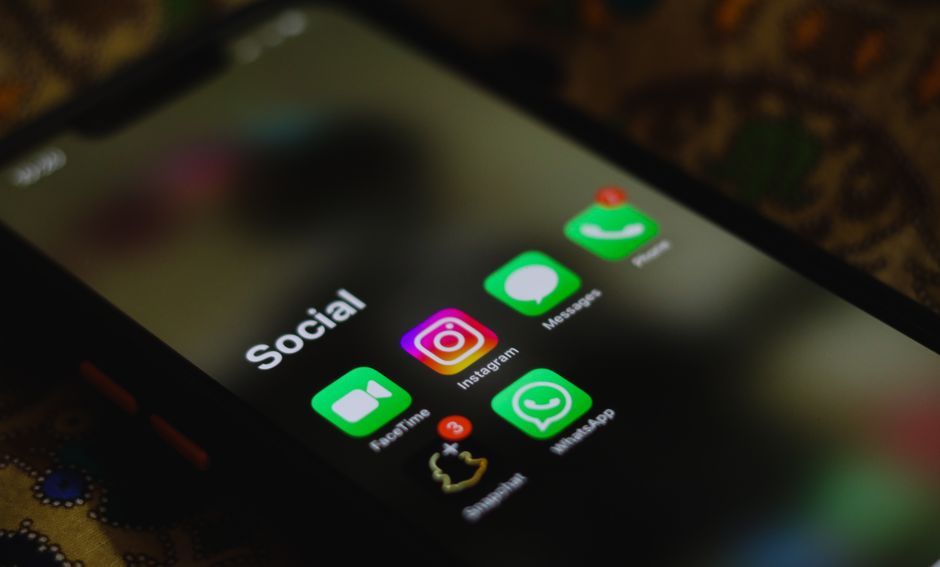
Stock photo for illustration only, not from the actual event
In a specific instance, payments routed from Brussels reached militants belonging to the Islamic State group in Syria. Furthermore, the European Broadcasting Union investigative journalism network uncovered broader evidence indicating similar cash transfer systems operated in human smuggling and drug trafficking operations.
The group chat contained over 82,000 messages exchanged between late February and December 2022 and was initially exposed by Belgian investigating magistrate Vincent Guerra. An investigating magistrate is a judicial official who examines evidence in complex cases before trial and recommends whether proceedings should advance.
Members of the group communicated in Arabic to coordinate cash payments through the ancient hawala transfer system. Hawala relies on a network of trusted money brokers who facilitate global fund transfers without electronic records or physical transportation of banknotes.
The system operates through agreements between two brokers, known as hawaladars, situated in different areas. One hawaladar receives cash while the other agrees to disburse an equivalent sum, minus commission, to the recipient, with brokers settling transactions later.
"Hitting the jackpot"
Vincent Guerra
While hawala transfers often serve legitimate purposes such as immigrant workers sending remittances to families in regions with limited banking access, criminals exploit the method to bypass the Swift system. Banks typically monitor and report large or suspicious transactions outside normal business practices through Swift.
The hawala system operates entirely on trust and personal relationships, making it extremely difficult for authorities to trace financial flows as there are no traditional banking records. Although it serves unbanked populations, this lack of oversight makes it an attractive tool for money laundering, terrorism financing, and global trafficking.
The Traders of Greater Europe group restricted transactions to sums exceeding 5,000 euros or approximately 4,279 pounds, with many payments significantly higher. Officials noted that not all participants in the group were necessarily involved in handling illicit funds.
Stock photo for illustration only, not from the actual event
Source: BBC World
Found something wrong in this article? Report an issue with this article
Comments
Leave a Comment