

Ramen Side Dishes Guide: What Cuts Grease vs Carb Bombs
Explore ramen side dishes from Thairath Lifestyle, separating palate cleansers like menma and kimchi from heavy carb bombs like chashu don and karaage.
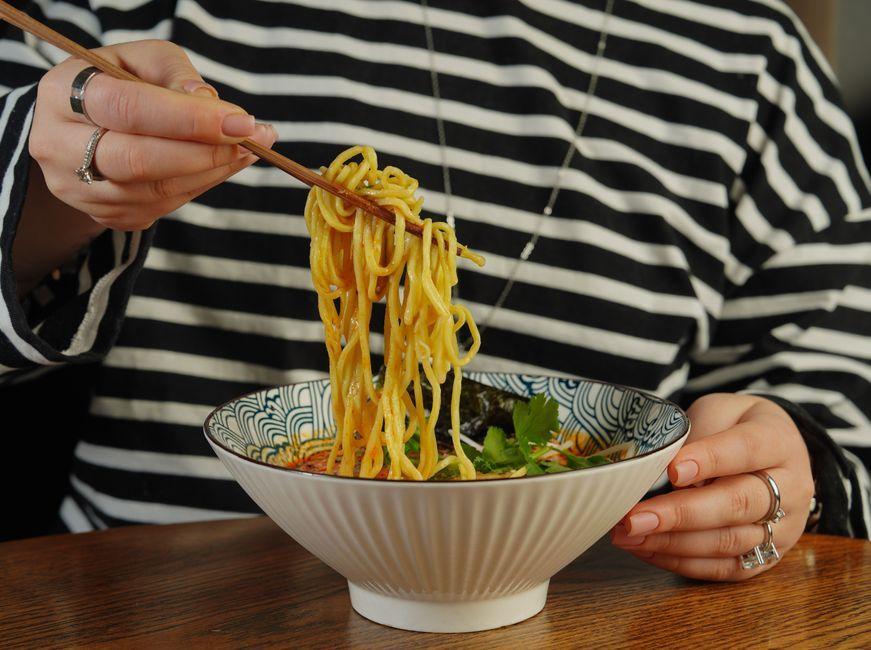
Stock photo for illustration only, not from the actual event
- Choose palate-cleansing side dishes like kimchi, menma bamboo shoots, or chilled tofu to keep ramen light.
- Avoid double-carb orders like chashu don or Japanese fried rice to prevent feeling overly full too quickly.
- Share gyoza and fried dishes by eating only 1-2 pieces to avoid a heavy stomach during the meal.
- Enjoy ramen properly by sipping soup first, alternating with pickled veggies, and saving fried items for later.
Achieving the perfect bowl of ramen involves more than just savoring the rich tonkotsu broth or the chewiness of the noodles. Selecting the appropriate side dishes, or okazu, plays a vital role in balancing the meal regarding flavor, cutting through the oiliness of heavy broths, and managing fullness.
The first category of side dishes focuses on fiber, easily digestible protein, and sour-salty flavors that act as palate cleansers, allowing diners to enjoy smooth bites without feeling greasy. These include Japanese bamboo shoots (menma) which are high in fiber, crunchy, and low in calories; soft-boiled soy eggs (ajitsuke tamago) providing protein and healthy fats; edamame with moderate salt to stimulate taste buds; kimchi, seaweed salad, and Japanese cucumber salad (tsukemono) offering mild acidity and spice to break down richness; and chilled tofu with soy sauce (hiyashi tofu) for a refreshing, cooling texture.
Conversely, ordering side dishes rich in simple carbohydrates and deep-fried fats alongside ramen noodles can cause blood sugar levels to spike and make diners feel stuffed very quickly. These heavy carb bombs to watch out for include mini chashu pork rice bowls (chashu don) combining rice, pork belly, and sweet sauce; Japanese fried rice (chahan) loaded with oil and starch; deep-fried chicken karaage which takes longer to digest; and potato croquettes high in calories and starch.
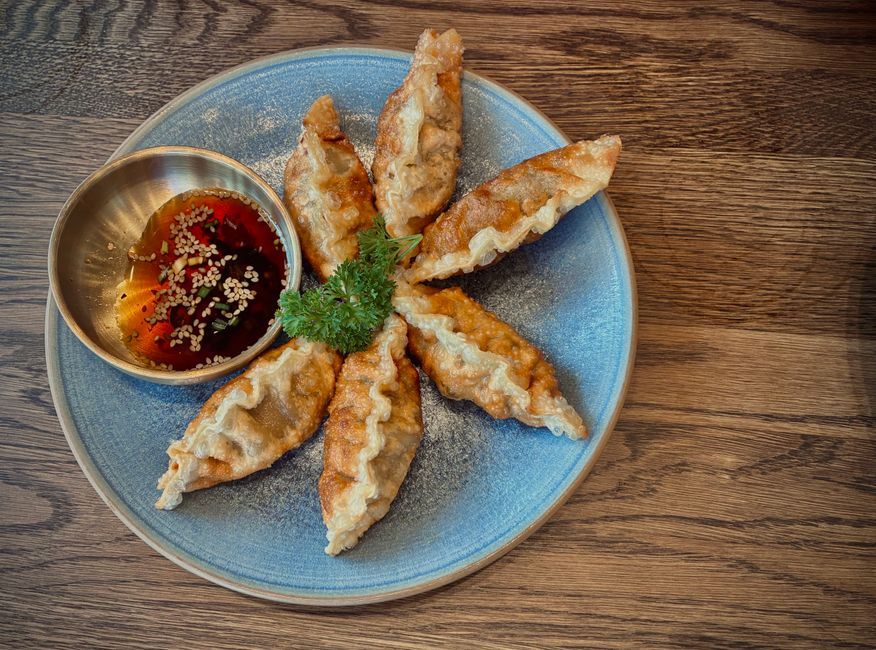
Stock photo for illustration only, not from the actual event
"If dining alone, it is recommended to order a small set (3-4 pieces), or if with friends, share 1-2 pieces each to enjoy the flavor without feeling overly full."
Gyoza, a classic staple at ramen shops, contains a fair amount of carbs and minced pork in its wrapper and filling. Recommendations suggest ordering a small portion of 3-4 pieces when alone or sharing among friends. Furthermore, side dish categorization tables divide options into palate cleansers (kimchi, cucumber salad, chilled tofu), protein boosters (soft-boiled eggs, menma, edamame), bite-sized sharing items (gyoza), and heavy carb bombs (chashu rice, fried rice, fried chicken).
Understanding portion proportions and double carbohydrates in Japanese dining helps consumers better manage caloric intake and blood sugar levels. Pairing high-starch, high-sodium ramen with pickled vegetables or easily digestible protein not only enhances flavor and cuts through grease but also aligns with modern nutritional principles of maintaining digestive balance.
Following expert recommendations ensures diners can fully appreciate their meal without experiencing premature discomfort.
To fully enjoy a bowl of ramen until the last drop, specific techniques apply. Start by sipping the broth and tasting the noodles to experience the true flavor, alternate with refreshing palate cleansers like kimchi or menma between bites, and delay eating deep-fried items like karaage or gyoza until at least halfway through the noodles to prevent the fried batter from expanding prematurely in the stomach.
Source: Thairath Lifestyle
Found something wrong in this article? Report an issue with this article
Comments
Leave a Comment