

How Insilico Medicine Uses Artificial Intelligence to Shorten Drug Discovery in China
Insilico CEO highlights how combining artificial intelligence with laboratory research cuts candidate nomination timelines while advancing major clinical trials.
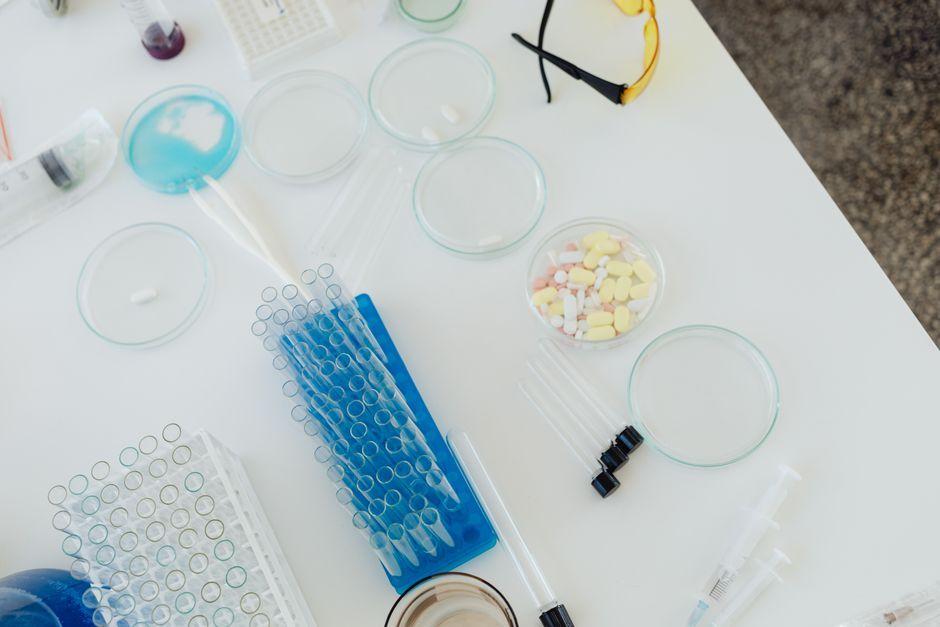
Stock photo for illustration only, not from the actual event
- Insilico Medicine uses AI to reduce certain drug development timelines to about one year
- Its fastest programme reached candidate nomination in nine months
- Conventional approaches typically require about four and a half years for the same stage
- The company has generated 31 preclinical candidates since 2021
Insilico Medicine has cut the duration needed to produce certain drug development candidates to approximately one year by combining artificial intelligence with laboratory research in China, according to CEO Alex Zhavoronkov.
The Hong Kong-listed company’s fastest programme achieved candidate nomination in nine months, while its typical timeline sits at about 13 months. Zhavoronkov stated that conventional approaches usually take around four and a half years to reach that exact milestone.
This timeline strictly encompasses early discovery and candidate selection rather than the full commercialisation process, as clinical trials, manufacturing, and regulatory reviews remain distinct stages.
Early enterprise adoption of artificial intelligence in pharmaceuticals focused largely on informatics and molecular docking. Modern generative models, however, actively design novel molecular structures from scratch, drastically reducing the iterative synthesis and physical screening burden traditionally placed on bench scientists.
The company utilises generative AI to identify biological targets, design potential drug molecules, and evaluate which compounds warrant progression to laboratory testing. Programmes typically achieve preclinical-candidate nomination within 12 to 18 months after researchers synthesise and test between 60 and 200 molecules.
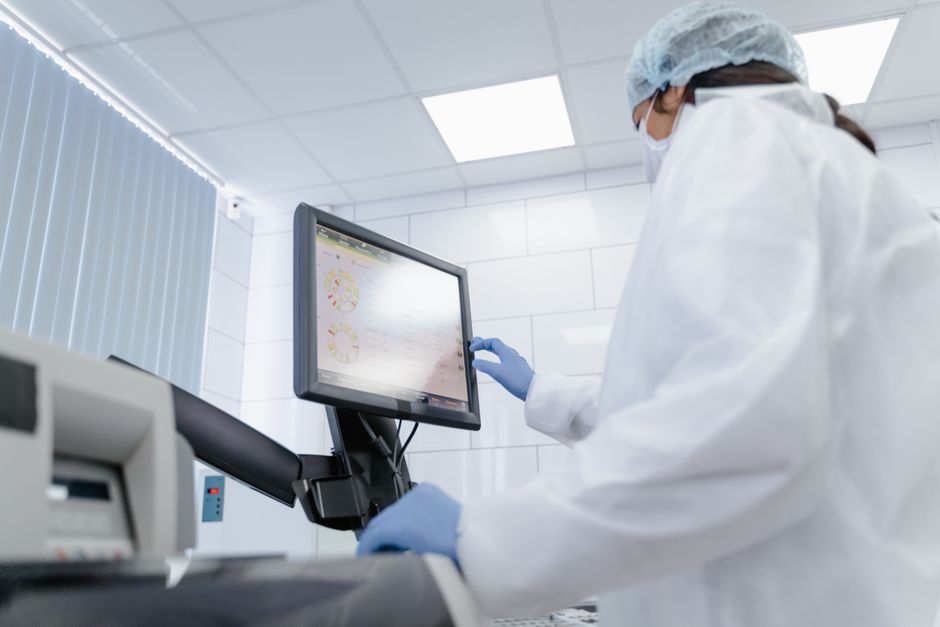
Stock photo for illustration only, not from the actual event
Its workflow merges AI-generated blueprints with researcher review and experimental validation. Physical laboratory experiments remain vital to confirm the biological activity and pharmaceutical properties of compounds selected by the underlying computational models.
Insilico reports generating 31 preclinical candidates since 2021, with 13 programmes securing investigational new drug clearances to advance toward human clinical studies according to pipeline disclosures.
Geographically, the firm conducts its core AI research in Montreal and Abu Dhabi, whereas experimental validation and scale-up work heavily concentrate in China. Its Shanghai facility automates segments of biological sampling and compound screening.
"We now compete with Chinese pharmaceutical companies on timelines, and with traditional biotechnology companies in the West on novelty."
Alex Zhavoronkov
Zhavoronkov credited part of the compressed development cycle to China’s research infrastructure, operating costs, and regulatory ecosystem, noting that pharmaceutical companies maintaining research labs in China can shave roughly two years off traditional development timelines.
In pipeline updates, Insilico announced and registered a Phase III trial for Rentosertib in July 2026. The oral medication targets idiopathic pulmonary fibrosis, a condition characterized by progressive lung scarring. The enterprise deployed artificial intelligence to pinpoint the therapeutic target and engineer its molecular structure.
Designed to enroll 320 participants across 47 centres in China, the Phase III study evaluates Rentosertib against a placebo over a 52-week period, targeting the annual rate of forced vital capacity decline as its primary endpoint.
Source: AI News
Found something wrong in this article? Report an issue with this article
Comments
Leave a Comment