

How Fire-Generated Thunderstorms Make Wildfires Deadlier
An in-depth look at how extreme wildfires generate their own thunderstorms, intensifying blazes across the globe.
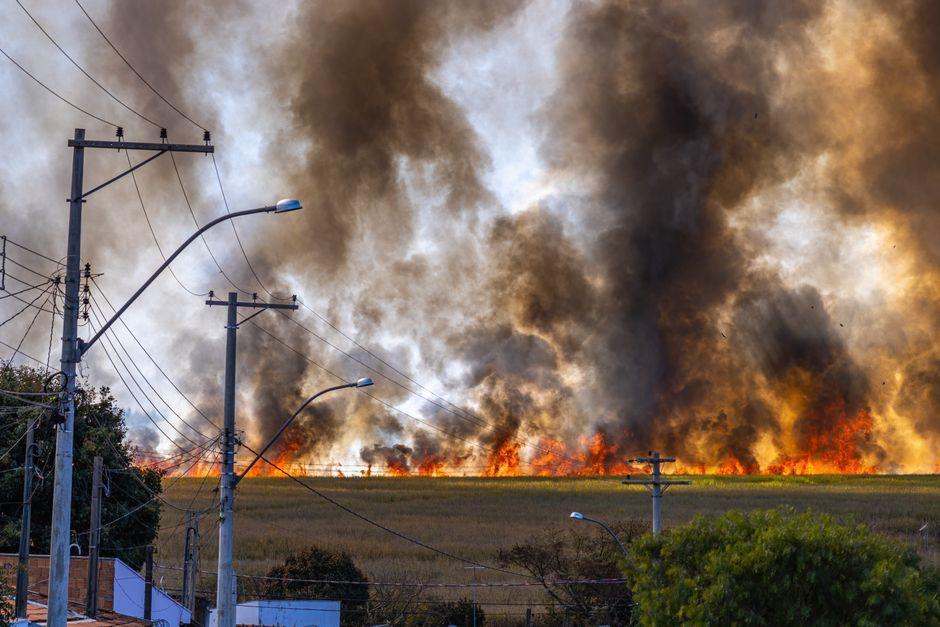
Stock photo for illustration only, not from the actual event
- Intense wildfire heat drives air, smoke, and moisture high into the atmosphere to form storm clouds.
- Turbulent winds from fire clouds scatter embers in all directions and trigger new lightning-sparked blazes.
- Severe European heatwaves have left regions dry and extremely vulnerable to spreading wildfires.
- Scientists warn that climate change will likely increase the frequency of such extreme weather events.
Scientists sometimes describe these formations as fire-generated thunderstorms because the blaze itself supplies the energy required to build the cloud. The massive amount of heat generated by wildfires causes the air directly above to rise rapidly, carrying smoke, ash, and water vapour high into the atmosphere.
As the air ascends, it cools and the water vapour condenses to form a cloud. If the fire remains powerful enough and the surrounding atmosphere stays unstable, that cloud can expand into a towering cumulonimbus—the exact type of cloud typically associated with traditional thunderstorms.
Turbulent winds whipped up by these fire clouds can send glowing embers shooting off in every direction, rendering wildfires unpredictable and much harder to combat. Lightning strikes generated by the system can also spark additional blazes.
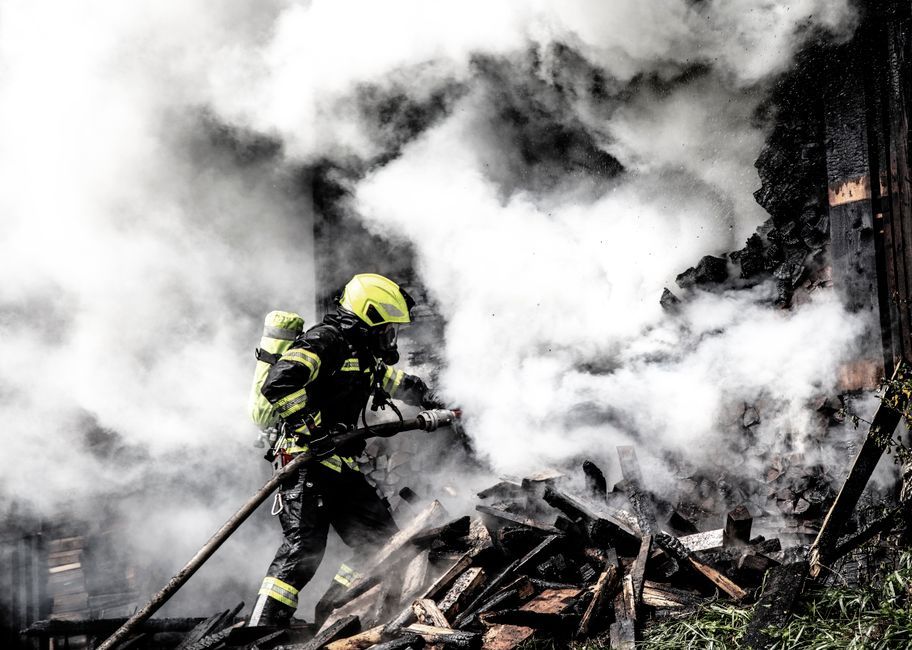
Stock photo for illustration only, not from the actual event
French firefighting authorities have blamed this phenomenon for the blazes near Bordeaux, noting that it had never before been observed in the country. Across Europe, the summer months have sweltered through intense, record-breaking heatwaves with minimal rainfall, leaving regions bone-dry and highly susceptible to fires.
Pyrocumulonimbus clouds represent a terrifying escalation in wildfire dynamics because they essentially create a localized weather system of their own. By generating strong erratic winds and lightning, these fire-storms bypass standard firefighting tactics, underscoring why modern disaster response must adapt to changing atmospheric extremes.
While once considered relatively rare, a comparable event occurred during the 2019-2020 Black Summer bushfires in Australia, generating extreme firestorms that created their own weather and claimed at least 33 lives while scorching over 11 million hectares.
Similarly, throughout the summer of 2021, intense fires raging across the western United States generated towering pyrocumulonimbus clouds, with California officials reporting over 7,300 wildfires burning across 1 million hectares.
Source: BBC Science & Environment
Found something wrong in this article? Report an issue with this article
Comments
Leave a Comment