

UK's iconic Jodrell Bank telescope faces axe in science cuts
The Jodrell Bank Observatory faces funding loss and potential closure by April 2028 amid sweeping science budget cuts across the UK.
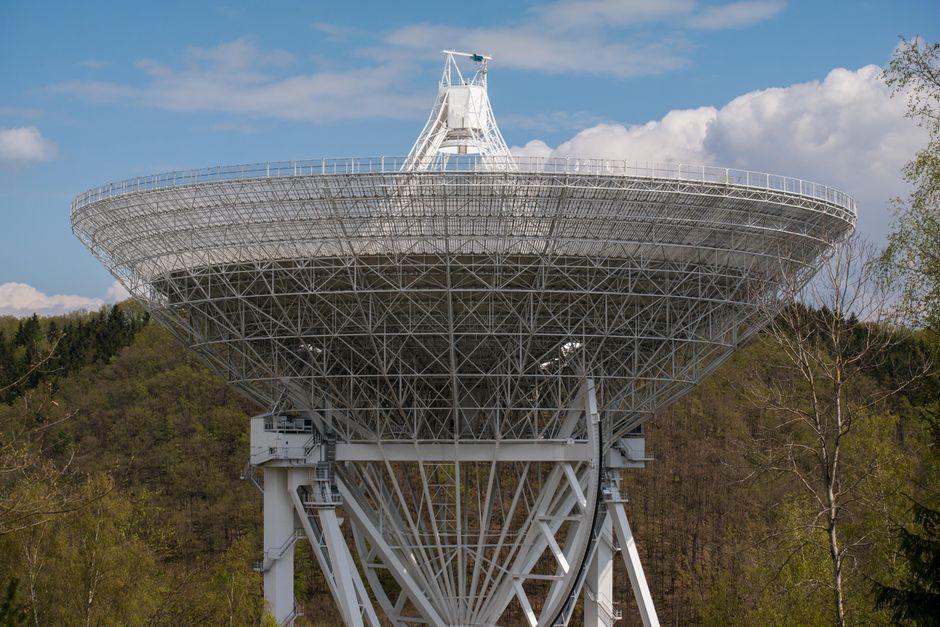
Stock photo for illustration only, not from the actual event
- All scientific observations at Jodrell Bank are set to cease on 1 April 2028 unless alternative funding is secured.
- UKRI has had to cut the observatory's £2.8m annual budget due to escalating physics research and lab running costs.
- The potential closure puts 28 local jobs at risk and impacts nearly 3,000 scientists who rely on the facility.
The Jodrell Bank Observatory, home to the UK's largest telescope for nearly 70 years, has lost its funding and could now face permanent closure, according to BBC reports. All scientific observations at the site are expected to halt on 1 April 2028 unless alternative financial support can be found.
The funding body, UK Research and Innovation (UKRI), stated it must concentrate investments on projects delivering the greatest long-term impact. Established in 1945, the site pioneered radio astronomy and the study of distant galaxies. It also played a crucial role during the Cold War monitoring Soviet missiles and was designated a Unesco World Heritage site in 2019.
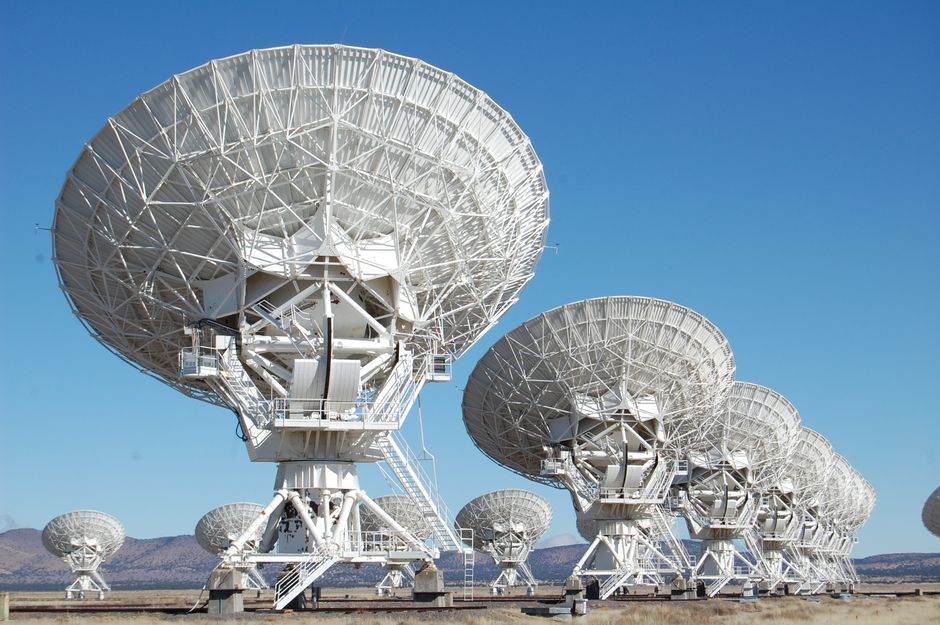
Stock photo for illustration only, not from the actual event
UKRI, operating on an annual budget of just under £10 billion, explained that the observatory's £2.8m yearly budget had to be trimmed because planned physics research and laboratory operating costs had escalated. The agency has shifted focus toward research with higher potential to spawn new industries and safeguard research positions. This announcement accompanies other deep astronomy cuts, including ending participation in the James Clark Maxwell Telescope in Hawaii and a 20% funding reduction for the Vera Rubin Telescope in Chile.
The UK's astronomy budget cuts highlight a difficult fiscal balancing act between sustaining foundational long-term science and funding research with immediate economic returns. Losing an institution like Jodrell Bank not only disrupts active research programs but also threatens the pipeline of radio astronomy expertise in the UK just as the global community enters a new golden era for the field.
"Everyone at Jodrell Bank was devastated by the decision."
Prof Simon Garrington
Prof Simon Garrington, associate director of the Jodrell Bank Observatory, told BBC News that everyone at the site was devastated by the choice. The observatory's cultural significance has cemented its place in science fiction from The Hitchhiker's Guide to the Galaxy to Doctor Who. Leadership plans to challenge the decision while actively seeking alternative funding to keep the iconic Lovell Telescope operating in some capacity.
Despite its age, continuous upgrades have kept the Lovell telescope—the world's third-largest steerable radio telescope—at the forefront of research. As the cornerstone of the seven-telescope e-MERLIN network across central England, it delivers deep-space resolutions comparable to the Hubble Space Telescope. The e-MERLIN network supports critical investigations into:
- Galaxy evolution and the role of supermassive massive black holes
- Invisible dark matter and dark energy comprising over 95% of the Universe
- Capturing sharper imagery of distant stars and galaxies
Source: BBC Science & Environment
Found something wrong in this article? Report an issue with this article
Comments
Leave a Comment