

Origin of Pa Cha: Why the word cha relates to death
Exploring the linguistic origin of the Thai word Pa Cha according to the 2011 Royal Institute Dictionary and scholar Prasaporn Ruangnarong.
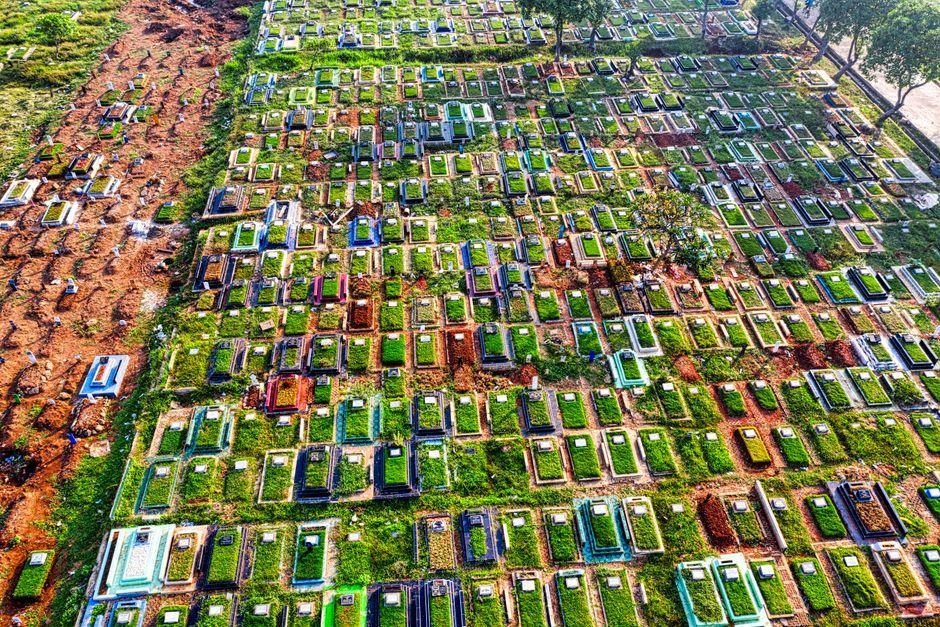
Stock photo for illustration only, not from the actual event
- Pa Cha refers to designated burial and cremation grounds in communities
- The word cha in Pa Cha relates to chua meaning bad or inauspicious
- Ancestors separated cemeteries from residential areas due to death taboos
- Different regions in Thailand use distinct local terms like Pa Haeo or Pliao
According to the 2011 Royal Institute Dictionary, the Thai word Pa Cha defines forest areas or designated locations established for burying or cremating corpses. These sites serve multiple purposes beyond burials, including storing remains, conducting cremations, and performing traditional funeral rites based on local community customs.
Historically, funerary sites were established in forested areas situated far away from residential zones. Cremations and burials required considerable space, and cultural beliefs regarding death, spirits, and inauspicious elements reinforced the physical separation of these grounds from everyday living areas.
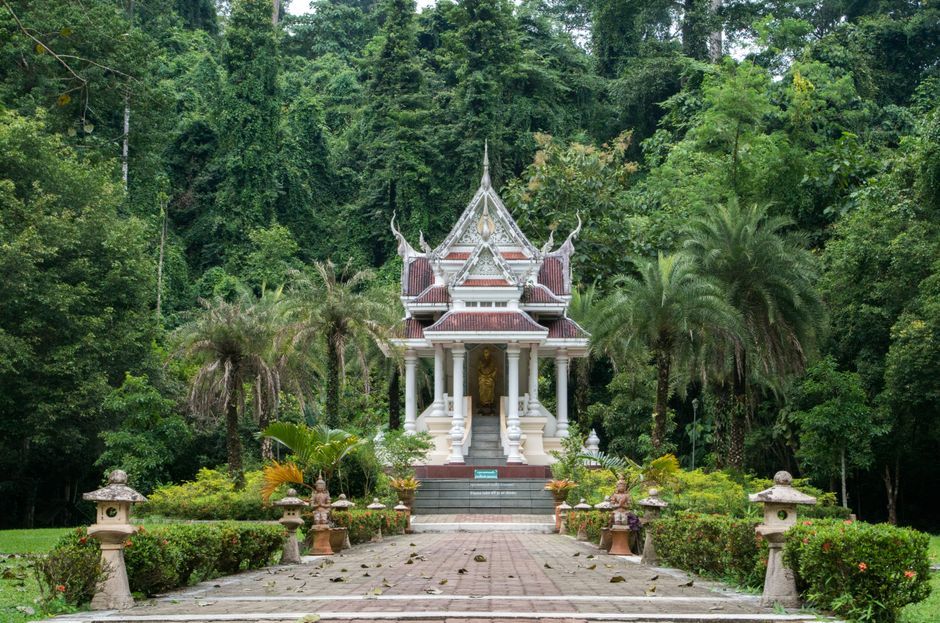
Stock photo for illustration only, not from the actual event
The term Pa Cha consists of two words: pa meaning forest and cha. While cha typically implies slowness in modern contexts, it actually shares a linguistic relationship with the word chua, as seen in the compound word chua-cha, which carries a negative or inauspicious connotation.
Examining archaic vocabulary through linguistics and folklore reveals how the Thai language preserves ancient societal fears and worldviews. The integration of cha into Pa Cha illustrates how traditional societies maintained a psychological and physical distance from mortality, treating it as separate from the realm of the living.
Associate Professor Prasaporn Ruangnarong, a Thai language expert, previously explained that cha functions as a paired word with chua in the term chua-cha. Therefore, Pa Cha denotes an area viewed by ancient people as inauspicious and undesirable because of its direct association with corpses and death.
Aside from Pa Cha, which is widely utilized in central Thailand, various regions across the country use different terms for burial and cremation sites:
- Northern region and parts of the Northeast use Pa Haeo or Pa Haeu
- Southern region uses Pliao or Praw
- Central region commonly uses Pa Cha or Su-san
These regional terms share a common underlying concept: viewing the funerary site as a domain strictly separated from the world of the living and closely tied to inauspicious traditional beliefs.
Despite common associations with silence, eeriness, and supernatural folklore, Pa Cha remains a vital communal space for conducting essential rituals, bidding farewell to the deceased, and maintaining bonds between families and communities.
In Buddhism, Pa Cha also serves as a meditation site where certain monks contemplate the impermanence of the human body, reminding themselves that everyone must face aging, illness, and death. Observing corpses aims to instill a true understanding of life rather than generating fear.
Source: Thairath Lifestyle
Found something wrong in this article? Report an issue with this article
Comments
Leave a Comment