

Apple Shares Shocking Evidence Against Former Employee Over OpenAI Data Theft
Apple submits new evidence accusing a former employee of exploiting an authentication bug to access files, seeking an injunction against OpenAI.
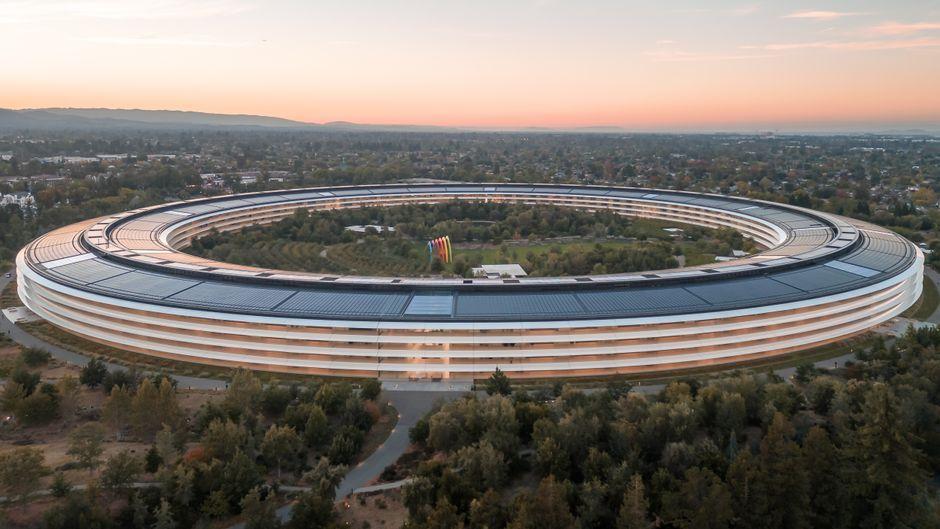
Stock photo for illustration only, not from the actual event
- Apple submits redacted evidence against a former employee accused of stealing data.
- The accused allegedly exploited a rare, previously unknown authentication bug.
- Apple seeks a preliminary injunction to block OpenAI from using its tech.
- Initial filings reveal over 400 former Apple employees now work at OpenAI.
The legal battle between tech giants escalated as Apple submitted fresh evidence accusing a former employee of illicitly harvesting company data for OpenAI. While the newly presented documents remain redacted from public view, previous court filings highlighted text messages from an ex-employee named Liu. These messages featured crying-laughing emojis, demonstrating his clear awareness that he still maintained active access to restricted Apple files.
Apple maintains that Liu sustained his unauthorized access by exploiting a rare and previously undiscovered authentication bug within the system. In response to these sweeping allegations, TechCrunch has formally reached out to OpenAI for an official statement regarding the unfolding situation, though no comments have been provided at this stage of the proceedings.
To mitigate potential damages, Apple is actively pursuing a preliminary injunction. This court order aims to legally bar OpenAI from continuing development on any hardware projects utilizing Apple proprietary technology while litigation proceeds. Furthermore, the company is pushing for expedited discovery to fast-track evidence gathering, fueled by suspicions that additional former employees might also be implicated in the data breach.
"Apple is seeking a preliminary injunction — a court order that would block OpenAI from working on hardware based on Apple’s technology while the case is ongoing"
TechCrunch

Stock photo for illustration only, not from the actual event
This high-profile dispute underscores the fierce competition and intense intellectual property safeguards characteristic of the modern artificial intelligence landscape. When major players suspect proprietary research of leaking to agile AI competitors, legal actions often involve aggressive discovery phases and scrutiny over non-compete dynamics, potentially reshaping hiring practices across the tech industry.
As this intellectual property dispute unfolds, the outcome could establish critical precedents for how tech corporations protect internal assets against insider threats in the generative AI era. Readers can follow further updates and statements through the original reporting.
Source: TechCrunch
Found something wrong in this article? Report an issue with this article
Comments
Leave a Comment