

Magna invests $35M more in Yuma battery swapping network in India
Canadian auto giant Magna International invests an additional $35 million in India's Yuma Energy to expand its EV battery swapping network and double its fleet.
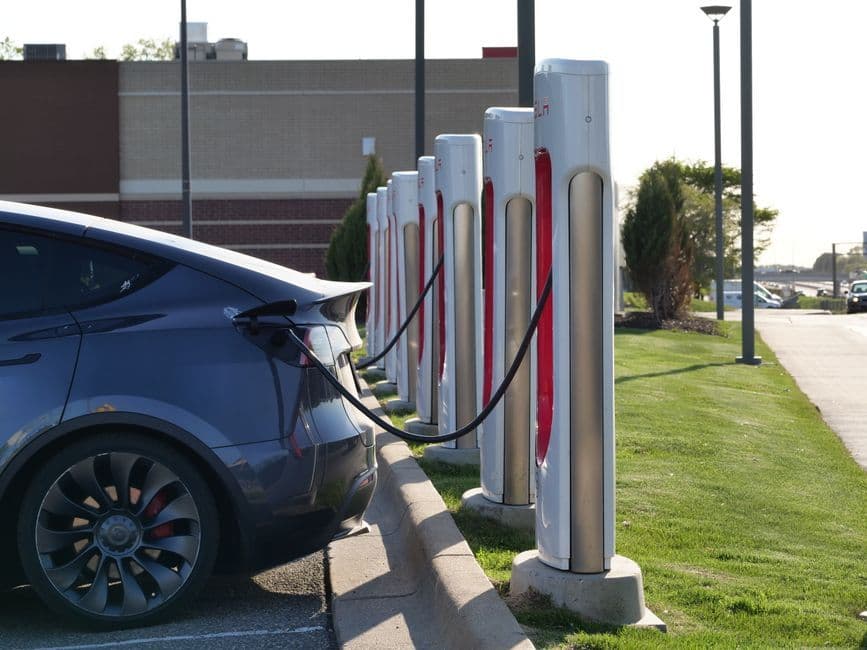
Stock photo for illustration only, not from the actual event
- Magna invests an additional $35 million in India-based Yuma Energy
- Yuma has surpassed 60 million total swaps with around 100,000 active batteries
- The company aims to double its battery fleet within the next 12 to 18 months
While battery swapping has struggled to gain momentum across many global markets, Canadian automotive component giant Magna International remains confident that the model can succeed at scale in India. The country's massive two- and three-wheeler vehicle segments and rapidly expanding delivery economy present a distinct economic landscape.
This conviction is backed by a fresh financial commitment to Yuma Energy, a Bengaluru-based firm operating an electric two- and three-wheeler battery-swapping network. Having spun out from Indian mobility startup Yulu in early 2023, Yuma has completed over 60 million swaps and currently deploys approximately 100,000 batteries throughout its network.
Magna's ongoing investment highlights the booming potential of India's gig economy, where delivery riders face significant revenue losses when waiting for traditional EV charging. Swapping batteries takes under two minutes, offering a vastly more practical solution than standard fast-charging methods for high-mileage commercial operators.
According to Yuma managing director Muthu Subramanian, Magna is injecting another $35 million into the company, raising the automotive supplier's stake above the 51% acquired during the joint venture's formation. Consequently, Yulu's previous 49% stake will experience dilution, though Subramanian declined to disclose the exact new ownership distribution.
Although Yuma is not yet profitable overall, several of its older swapping stations have already achieved positive EBITDA. The company runs over 400 stations featuring more than 2,500 charging units, closing the financial year ending in March 2026 with roughly ₹1 billion, or about $10.5 million, in revenue. Subramanian noted that the firm targets EBITDA break-even within the next two quarters.

Stock photo for illustration only, not from the actual event
"A battery can be exchanged in under two minutes, while even a 20- or 30-minute fast charge takes a rider off the road and requires more space and power to serve multiple vehicles at once."
Muthu Subramanian
The majority of Magna's latest capital infusion will fund infrastructure expansion and double Yuma's current fleet of around 100,000 batteries over the next year to 18 months. Beyond its primary customer Yulu, Yuma now supports more than five additional fleets and integrates its batteries with over 10 vehicle platforms, including brands like Kinetic Green, Motovolt, BGauss, and Quantum Energy.
Operating across 18 Indian cities—including Bengaluru, Hyderabad, Mumbai, the Delhi region, Jaipur, Lucknow, Indore, Coimbatore, Kochi, and Kolkata—Yuma plans to enter Chennai and Pune in upcoming quarters. In the long term, the firm aims to export its swapping model to international markets with large two-wheeler populations, such as Southeast Asia and Africa.
Source: TechCrunch
Found something wrong in this article? Report an issue with this article
Comments
Leave a Comment