

Building PCBEditor: Hybrid AI and Deterministic Engine
A developer shares insights on building PCBEditor.com using a hybrid approach combining deterministic code and AI models with over 200 expert agents.

Stock photo for illustration only, not from the actual event
- Developer shares experience building the PCBEditor.com platform
- Adopts a hybrid approach balancing AI and deterministic systems
- Utilizes the Fortza AI model for optimal component placement
- Powered by over 200 expert AI agents working together
When dealing with deterministic systems, developers must carefully rethink where to apply artificial intelligence within the architecture. This exact challenge arose during the recent development of PCBEditor.com, sharing a personal product development story about choosing between AI and non-AI methods.
PCB design involves multiple distinct stages, starting with schematics where creators must decide which electronic components to use. An inventory management tool was previously built allowing users to upload purchase invoices and utilize those exact parts for PCB layout.
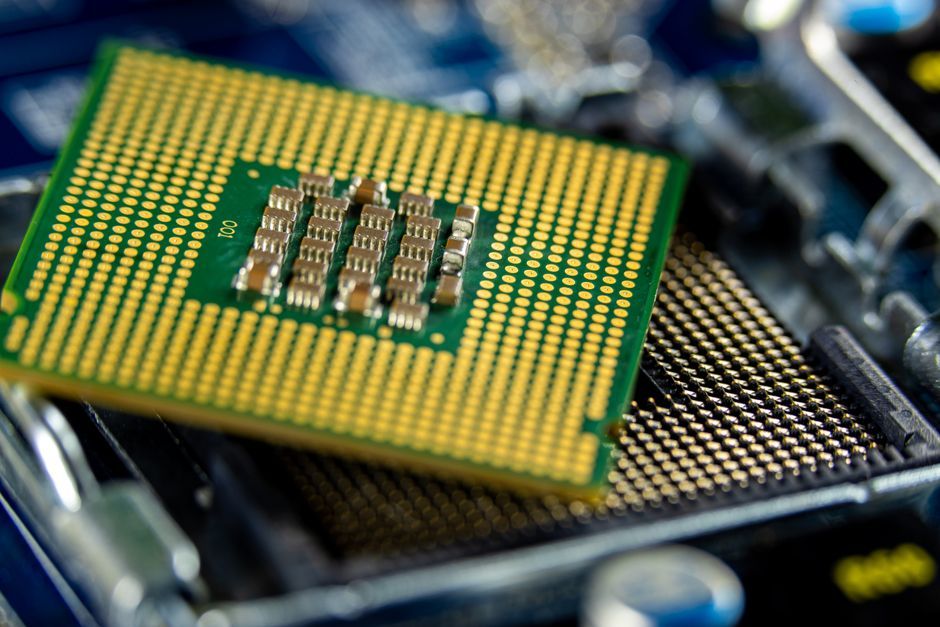
Stock photo for illustration only, not from the actual event
Moving on to electrically valid netlists, footprint generation, and ball-map creation, a hybrid approach was chosen. Instead of relying entirely on artificial intelligence, internal libraries are built alongside AI models to ensure reliable and predictable outcomes.
Balancing deterministic systems with probabilistic AI models is crucial in engineering software. While tasks requiring strict mathematical and logical accuracy rely on hardcoded rules, AI excels at handling complex optimization problems like component placement and heuristic searches.
Next comes the placement engine, which requires calculating component layouts based on multiple rules such as thermal warnings and electrical signal fluctuation constraints. The Fortza AI model is then utilized to determine the best placement option for the current design.
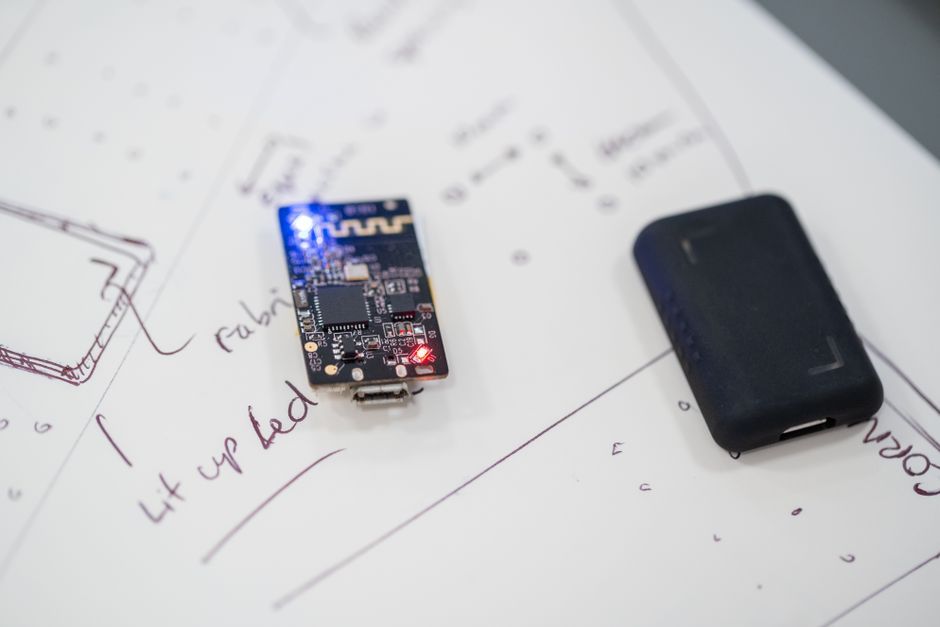
Stock photo for illustration only, not from the actual event
Subsequent stages include Design Rule Checking (DRC) spanning hundreds of code files and thousands of lines to ensure board integrity, followed by 3D visualization using AI-retrieved official STEP files. Furthermore, layer selection and quality gate verification are handled by an agentic system featuring over 200 expert AI agents collaborating to produce industry-standard results.
Source: Dev.to
Found something wrong in this article? Report an issue with this article
Comments
Leave a Comment