

Activist charged with felony after giving border agent duress code that wiped phone
The government states that destroying personal data during an airport interrogation constitutes an illegal act.

Stock photo for illustration only, not from the actual event
- Activist faces felony charges for handing over data-wiping code
- The incident occurred during an airport border interrogation
- The government argues that destroying one's own data is illegal
A notable legal case has unfolded as an activist was hit with felony charges after choosing to provide a duress code to a border agent who was attempting to inspect his mobile phone at an airport.
When entered into the device, this emergency code immediately triggered a complete wipe of all data stored on the smartphone, effectively shielding sensitive information from being accessed. However, this defensive action quickly transformed into a severe legal dispute once government authorities intervened.
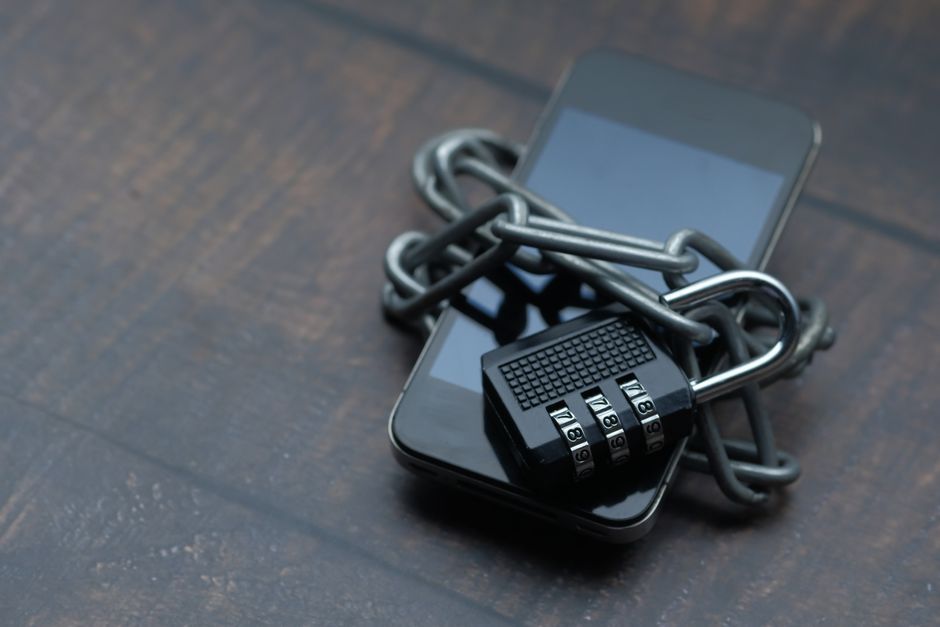
Stock photo for illustration only, not from the actual event
Duress codes serve as valuable security features for protecting personal privacy, yet devices and legal systems view such actions through vastly different lenses—especially when intersecting with border enforcement authorities who possess broad legal powers. Obstructing an inspection or destroying potential evidence during an official interrogation is frequently prosecuted as a serious criminal offense.
From the perspective of government agencies, carrying out such an action is equivalent to destroying evidence or interfering with officials performing their border control duties, representing a clear violation of the law that warrants strict prosecution.
Source: Ars Technica
Found something wrong in this article? Report an issue with this article
Comments
Leave a Comment