

Waymo goes on offense ahead of Tesla's Cybercab launch
Waymo expands robotaxi network to three new markets and highlights real-world experience ahead of Tesla's September 3 Cybercab unveiling.
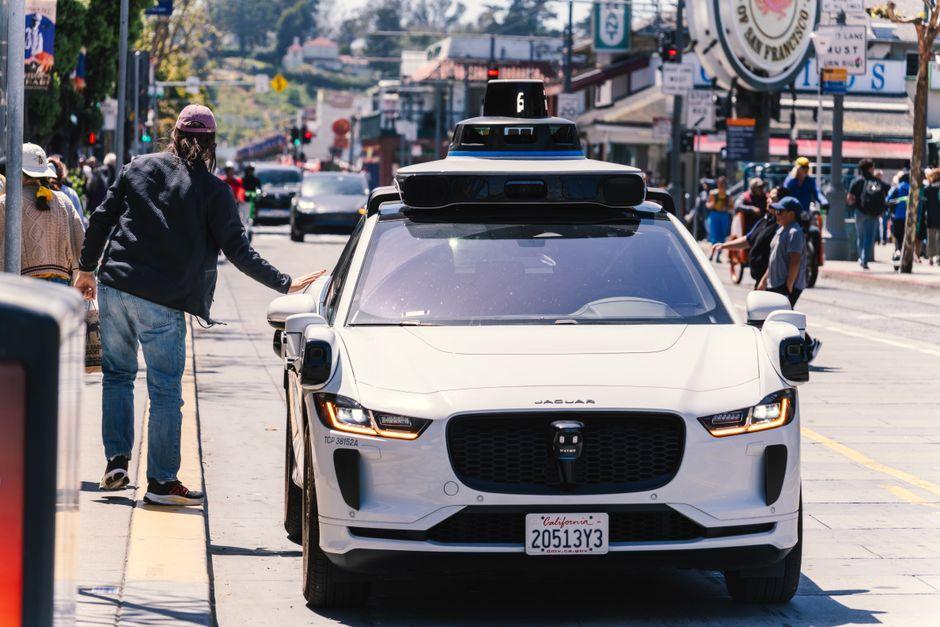
Stock photo for illustration only, not from the actual event
- Waymo announces three new markets, expanding its robotaxi footprint across more than a dozen U.S. cities.
- Tesla is scheduled to formally introduce its two-seater Cybercab robotaxi on September 3.
- The rivalry highlights a clash between Waymo's sensor fusion approach and Tesla's camera-and-AI strategy.
The race for autonomous vehicle dominance has escalated as Waymo launched a sharp critique via a blog post and an Axios interview just one week before Tesla's September 3 event, where the automaker is expected to debut its two-seater Cybercab. Alongside this aggressive PR push, Waymo announced three new operational markets on Tuesday morning, further scaling its robotaxi network serving customers in over a dozen U.S. cities.
While Waymo's technical arguments were dense and wonky, they successfully ignited a social media debate over the weekend. The metaphorical knives are out because a successful rollout of the Cybercab at scale would trigger a massive showdown between the two companies and their fundamentally different autonomous driving architectures.
For years, this rivalry remained largely philosophical, but Waymo recently leveraged its extensive real-world operational experience. Waymo relies on a conservative sensor suite combining cameras, radar, and lidar on vehicles built by traditional manufacturers, allowing the company to scale to approximately 4,000 robotaxis across 14 U.S. cities, delivering 500,000 paid trips every week.
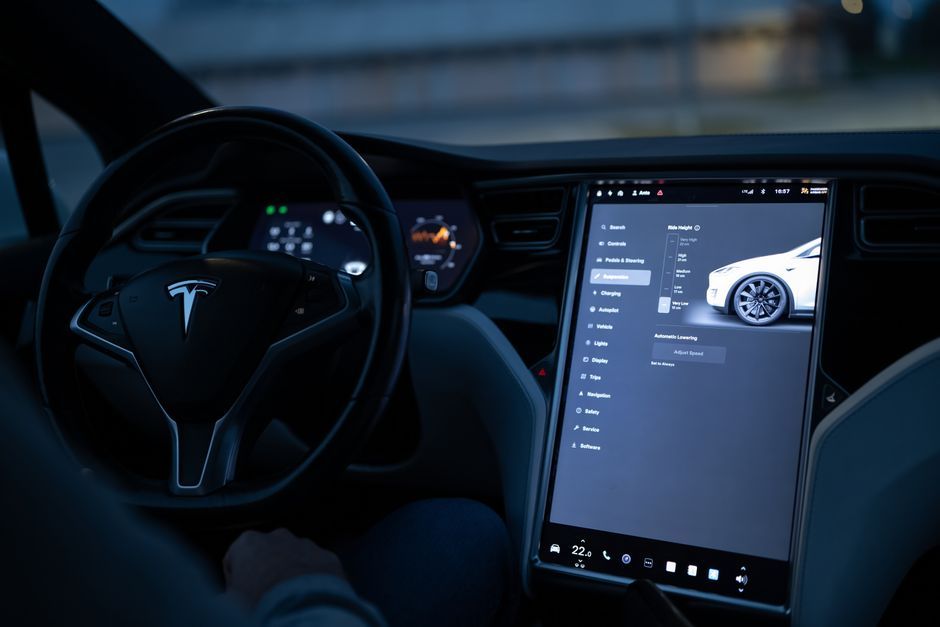
Stock photo for illustration only, not from the actual event
In contrast, Elon Musk has long dismissed lidar as a crutch, betting entirely on a vision-only approach powered by artificial intelligence. Over the past few years, Tesla developed the Cybercab, a purpose-built two-seater gold sedan featuring no steering wheel or pedals, a compact battery, and ambitious manufacturing targets aiming for over 125,000 units annually.
Tesla still faces the burden of proving its self-driving software is fully autonomous. Musk's previous timeline promises have lagged significantly behind schedule, though the company has spent the past year testing its Robotaxi network using modified Model Y SUVs in select Texan and Floridian cities. These trials remained intentionally small while prioritizing safety, with safety monitors only recently removed from a majority of those vehicles.
This confrontation underscores the high-stakes technological battle between hardware redundancy and AI-first scalability in autonomous transport. While Waymo prioritizes safety through multi-sensor fusion, Tesla gambles on software autonomy to slash costs and achieve mass production. The outcome will shape a market projected to be worth hundreds of billions of dollars.
The landscape is shifting rapidly as Tesla registers Cybercabs with the Texas DMV ahead of the September 3 event, with social media users spotting dozens of the vehicles in parking lots nationwide. If Tesla demonstrates that its AI approach works at scale, it will mark a major validation for its engineers, though it must still navigate real-world operational hurdles like severe weather, emergency situations, and school zones that Waymo continues to tackle.
Source: TechCrunch
Found something wrong in this article? Report an issue with this article
Comments
Leave a Comment