

Alpha Centauri 2026: Private group targets low-cost mission
A private independent group aims to launch the cheapest possible interstellar mission to explore the Alpha Centauri star system.
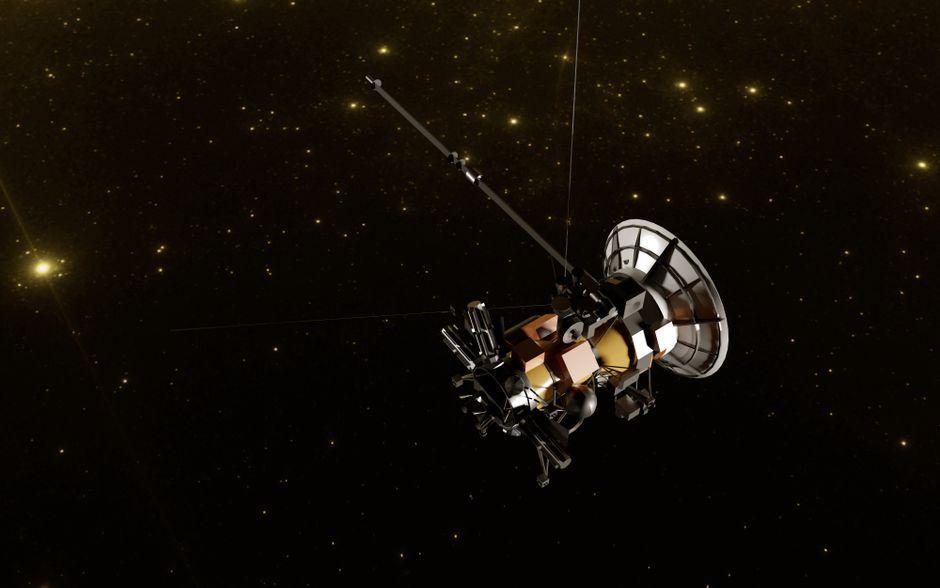
Stock photo for illustration only, not from the actual event
- Independent private group plans Alpha Centauri mission
- Focuses on achieving the lowest possible launch cost
- Faces monumental engineering and interstellar challenges
A private collective of scientists and engineers is working on an ambitious space exploration initiative aimed at sending a spacecraft to the Alpha Centauri star system, our closest stellar neighbor, with the absolute lowest possible budget and operational costs.
The primary challenge of interstellar travel lies in the immense distance, requiring advanced propulsion concepts capable of reaching a significant fraction of the speed of light. Consequently, the team is heavily focused on ultra-lightweight spacecraft architecture and innovative material designs.
Stock photo for illustration only, not from the actual event
While large-scale interstellar concepts like Breakthrough Starshot have previously captured public attention, this grassroots private endeavor highlights the ongoing push to overcome financial barriers, which remain the single biggest hurdle in deep space exploration today.
In recent remarks addressing the broader implications of humanity reaching out into the galaxy, a representative of the group emphasized the profound existential challenges spacefarers often discuss.
"We could really be facing the great filter."
Project Representative
The mission concept remains in its preliminary engineering and conceptual design phases, requiring extensive research and technological validation before any physical hardware development can begin.
Source: Ars Technica
Found something wrong in this article? Report an issue with this article
Comments
Leave a Comment