

UK Male Prison Spaces Drop to Lowest Level of Year
Available spaces across male prisons in England and Wales have fallen to about 1,500, prompting emergency cell conversions and scheme adjustments.

Stock photo for illustration only, not from the actual event
- Available spaces in male prisons across England and Wales dropped to about 1,500.
- The government is investing £110m to convert laundry rooms and offices into new cells.
- Prisoners convicted of manslaughter will be excluded from the early release scheme.
- Prisons in England and Wales are currently operating at 97% capacity.
The overcrowding crisis within the United Kingdom correctional system has deepened, as sources report that available spaces across the male prison estate in England and Wales have plummeted to their lowest level this year, placing severe strain on capacity.
As of September 1, records show there were approximately 1,500 vacant spaces remaining, marking a sharp decline to less than half of the 3,040 spaces available at the beginning of June according to Ministry of Justice (MoJ) statistics. Official figures indicate that male prison vacancies have been steadily shrinking since mid-June, dropping down to 1,665 spaces by August 24. Although official weekly figures were delayed due to the Monday bank holiday, prison insiders confirmed that available spots have fallen further.
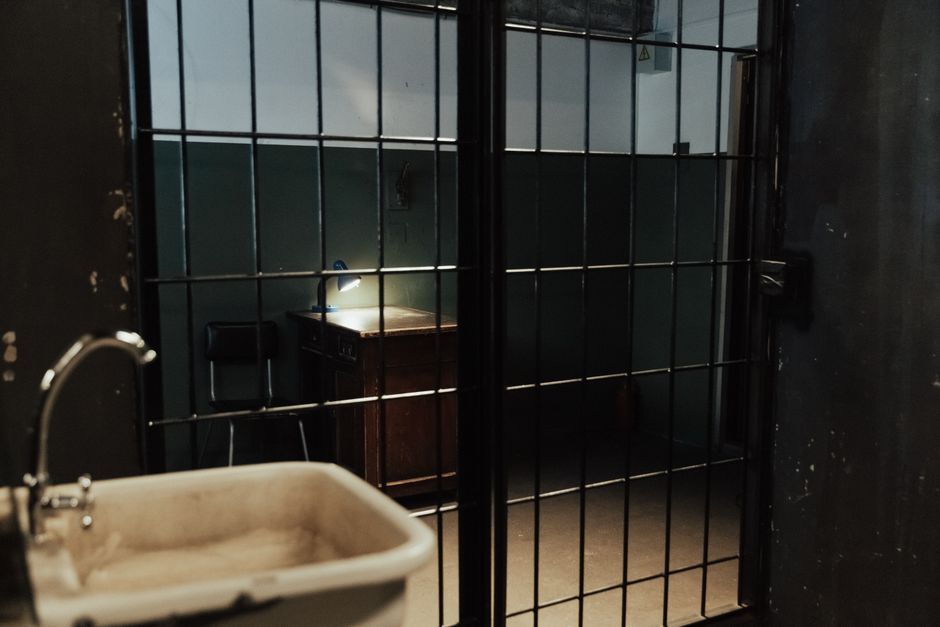
Stock photo for illustration only, not from the actual event
To combat the mounting capacity crunch, the government has announced a £110m investment funded through existing budgets to transform unused office space, storage rooms, and laundry facilities into operational prison cells. Justice Secretary Alex Norris addressed logistical concerns regarding the conversion of laundry areas during a media appearance, assuring the public that facilities would maintain proper functionality and estimating that the repurposing initiative will yield between 200 and 900 additional prison spaces.
The capacity measures coincide with adjustments to the early release scheme, which is scheduled to begin releasing roughly 4,500 prisoners in tranches starting in October. Following a persistent campaign led by the family of late police officer Andrew Harper, Prime Minister Andy Burnham confirmed that individuals convicted of manslaughter will be explicitly barred from the early release program and will remain incarcerated for longer periods.
"Of course we're going to make sure that the prisons can still function properly."
Alex Norris
Additional capacity is also expected to be generated by ramping up the deportation of foreign national offenders and releasing select inmates serving indefinite sentences. MoJ data shows that 10,134 foreign nationals were held in custody as of June 30, with 3,283 of those individuals on remand and ineligible for deportation. During the year leading up to June, 5,962 foreign offenders were repatriated, representing the highest deportation rate since 2017 and a 12% increase compared to the previous year.
The ongoing strain on the UK prison network highlights the complex policy trade-offs between maintaining public safety and managing institutional capacity. Relying on unconventional infrastructure conversions alongside targeted release and deportation adjustments demonstrates the government's urgent efforts to prevent total system gridlock.
Source: BBC Politics
Found something wrong in this article? Report an issue with this article
Comments
Leave a Comment