

Prasert: Every child in Thailand deserves education
Education Minister Prasert Chanthararuangthong addresses Tak primary education office's refugee children ban, planning stakeholder talks on Sept 1, 2026.
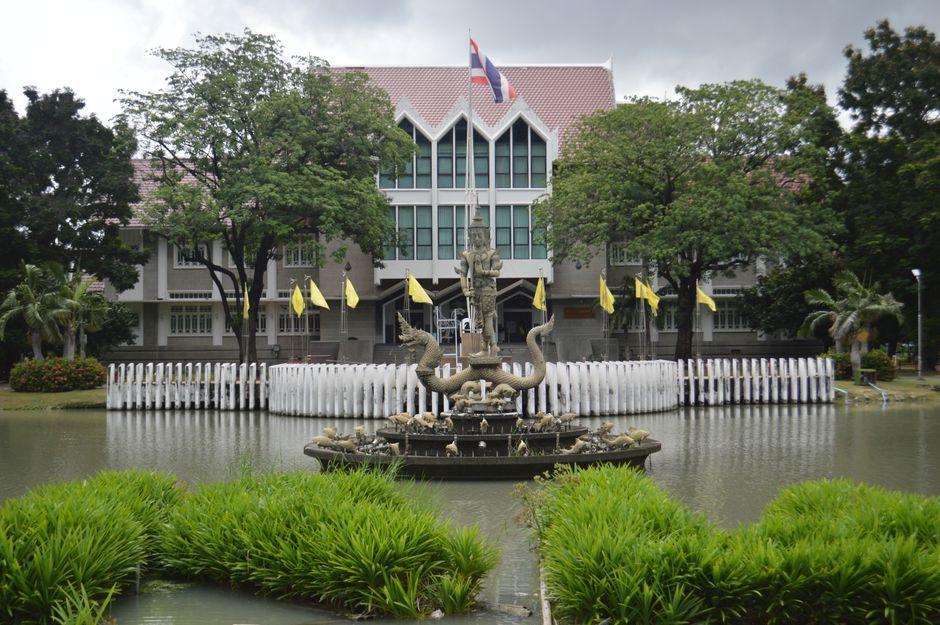
Stock photo for illustration only, not from the actual event
- Education Minister insists all children in Thailand must study
- Tak Primary Education Area Office 2 banned refugee student admission
- MoE plans talks with Thammasat, Chula, and Save the Children
- Regulatory hurdles involving the Interior Ministry to be reviewed
On September 1, 2026, Education Minister Prasert Chanthararuangthong addressed the directive issued by the Tak Primary Education Service Area Office 2, which pressured affiliated schools against admitting children from refugee camps into Thai schools, resulting in students dropping out mid-term.
Mr. Prasert stated firmly that the ministry adheres to conventions stipulating that every child residing in Thailand, regardless of their nationality, must be granted the right to education.
"We follow the convention that every child in Thailand, regardless of nationality, must have the right to attend school."
Prasert Chanthararuangthong
The Education Minister explained that while children residing in refugee camps are officially required by regulations to receive education inside the camps, previous accommodations allowed them to study outside due to specific necessities. Following this recent issue, the ministry has established two approaches, including organizing proper educational management within the camps.
The educational rights of stateless children and those in refugee camps represent a long-standing policy challenge in Thailand, requiring a balance between civil registration laws and international human rights obligations. Involving academic institutions and international NGOs indicates a systemic approach to resolving these legal barriers.

Stock photo for illustration only, not from the actual event
Next, Mr. Prasert plans to summon relevant agencies, including academics from Thammasat University and Chulalongkorn University, alongside international non-governmental organizations dedicated to child rights protection such as Save the Children, to jointly formulate a viable solution.
This upcoming discussion will focus on organizing a systematic framework. Because certain obstacles stem from existing regulations, the ministry will examine whether these regulatory barriers can be amended, a process that may also require coordination with the Ministry of Interior given the lack of civil registration documents and identification cards.
Source: Khaosod Politics
Found something wrong in this article? Report an issue with this article
Comments
Leave a Comment