

Orphea: A 13-Key Playable Pocket Electronic Piano
Developed by Pianni, Orphea is a smartphone-sized portable electronic piano featuring 13 physical keys, built-in speakers, and MIDI support.
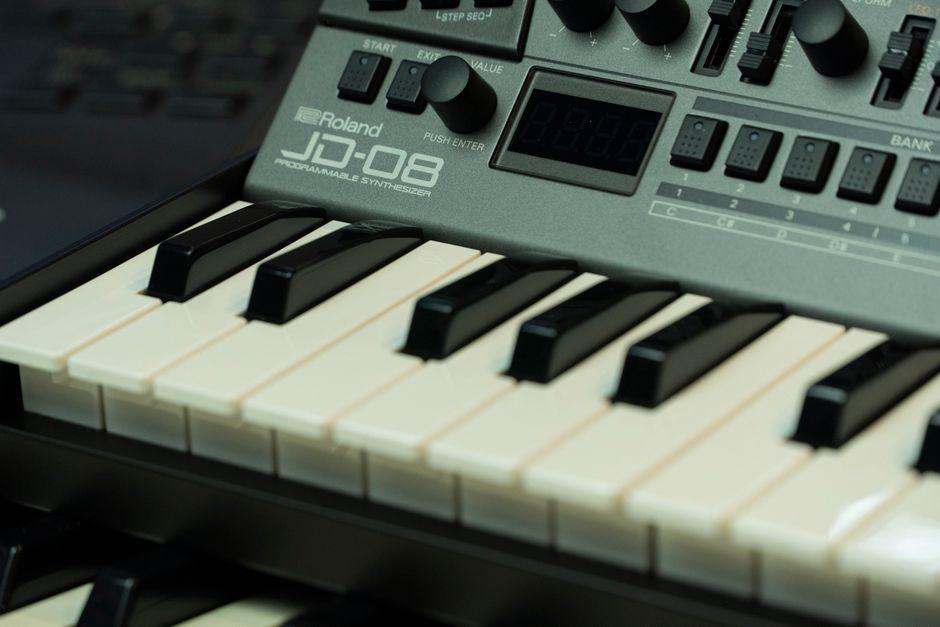
Stock photo for illustration only, not from the actual event
- Orphea is a compact 13-key electronic piano developed by Pianni
- The instrument is only slightly larger than a modern smartphone
- It retains a conventional chromatic black-and-white key layout
- Features built-in speakers, headphone output, MIDI, and USB-C charging
Pianni has developed Orphea, a compact electronic piano engineered to test the limits of shrinking a conventional keyboard while preserving its physical and musical capabilities. Measuring just a fraction larger than a modern smartphone, the instrument packs a standard chromatic black-and-white key arrangement, physical pressable keys, polyphonic capability, octave controls, built-in speakers, a headphone jack, MIDI connectivity, and USB-C charging into a pocket-sized form factor.
The current working prototype spans one chromatic octave from C to C across 13 physical keys. Dedicated octave controls allow users to expand the playable pitch range without increasing the physical footprint of the device. This specific configuration lets the keyboard maintain the traditional layout and tactile feedback of a standard piano despite its heavily reduced size.
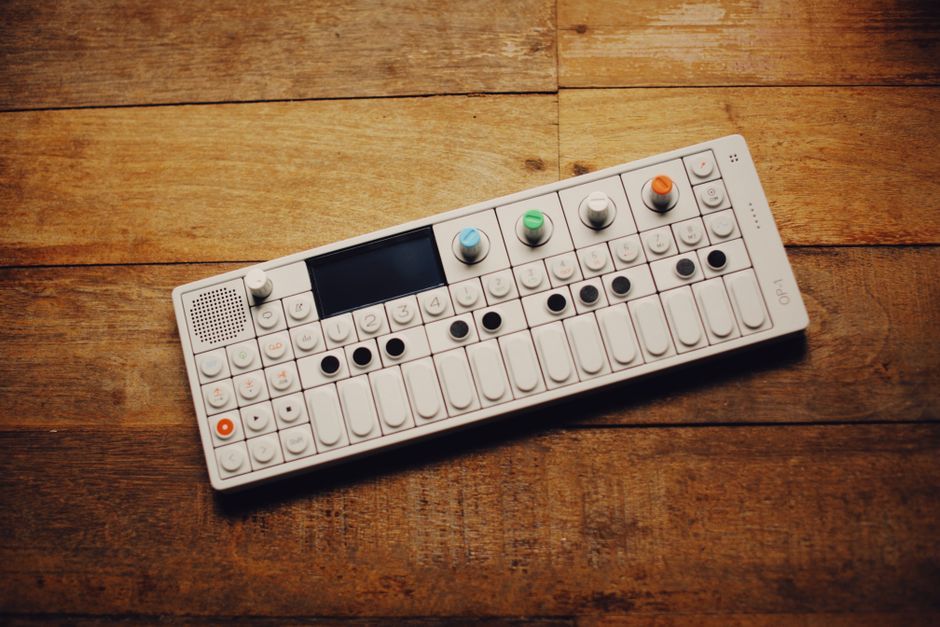
Stock photo for illustration only, not from the actual event
Orphea tackles common drawbacks found in ultra-portable keyboards, which frequently cut down dimensions by omitting black keys, swapping physical keys for touch surfaces, limiting polyphony, or relying entirely on external devices to generate sound. Pianni preserves the chromatic black-and-white layout and mechanical key switches while embedding all necessary electronics for standalone operation.
Built-in speakers enable the instrument to produce audio without external gear, while a headphone output facilitates private practice sessions. Additionally, MIDI connectivity empowers Orphea to double as a compact controller for external hardware and software, broadening its functionality beyond the built-in sound engine.
"Pianni founder and pianist Jordan Daniels has used the prototype to play simple melodies as well as more complex repertoire, including a three-voice Bach fugue, testing the extent to which the compact format can support polyphonic playing."
Jordan Daniels
The design philosophy behind pocket-sized instruments like Orphea highlights a growing interest in bridging extreme portability with uncompromised tactile feedback. By avoiding touch-sensitive flat surfaces in favor of mechanical keys, the device preserves finger muscle memory, which is often lost in ultra-compact musical gadgets.
The instrument has undergone multiple prototyping phases focusing on key response, mechanical behavior, enclosure geometry, internal electronics layout, speaker positioning, and overall portability. Its body utilizes a compact molded plastic shell designed to balance lightweight durability with the familiar feel of an acoustic keyboard interface.
Orphea is intended to serve as a portable musical sketchbook rather than a full-sized piano substitute. Its miniature dimensions enable musicians to slide it into a small bag and use it in scenarios where traditional keyboards fail, such as traveling, outdoor settings, desktop environments, or quiet rehearsal sessions. Pianni founder and pianist Jordan Daniels tested the prototype on both simple tunes and complex arrangements, including a three-voice Bach fugue, to evaluate its polyphonic limits. The project is currently refining its design for mass production and gearing up for an upcoming Kickstarter launch.
Source: designboom
Found something wrong in this article? Report an issue with this article
Comments
Leave a Comment