

Female astronauts complete rare all-female spacewalk
NASA's Jessica Meir and France's Sophie Adenot completed a 6.5-hour spacewalk, marking only the sixth all-female spacewalk in history.
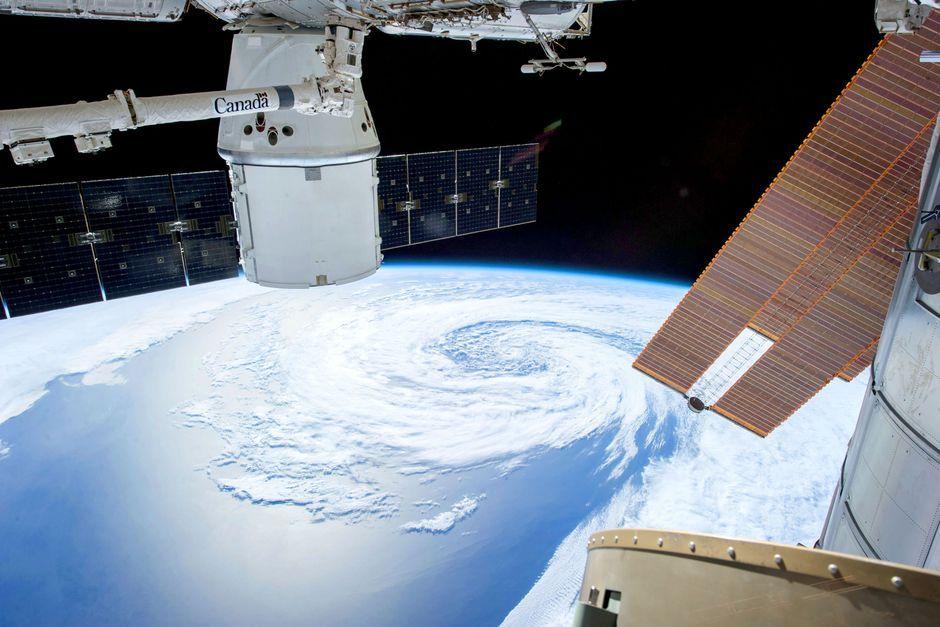
Stock photo for illustration only, not from the actual event
- Two female astronauts completed a 6.5-hour spacewalk outside the space station
- This marks the sixth time in history an all-female team performed a spacewalk
- Jessica Meir from NASA and Sophie Adenot from France carried out the mission
- The event represents the 284th spacewalk supporting space station maintenance
Space exploration reached another milestone as two female astronauts successfully completed a spacewalk outside the International Space Station, lasting a total of 6.5 hours. This historic mission marks only the sixth time in history that an all-female team has conducted operations outside the orbital laboratory.
The mission featured NASA astronaut Jessica Meir and French astronaut Sophie Adenot. During the operations, Meir rode the station's Canadarm2 robotic arm to reach various worksites, while Adenot remained tethered directly to the station structure for safety.
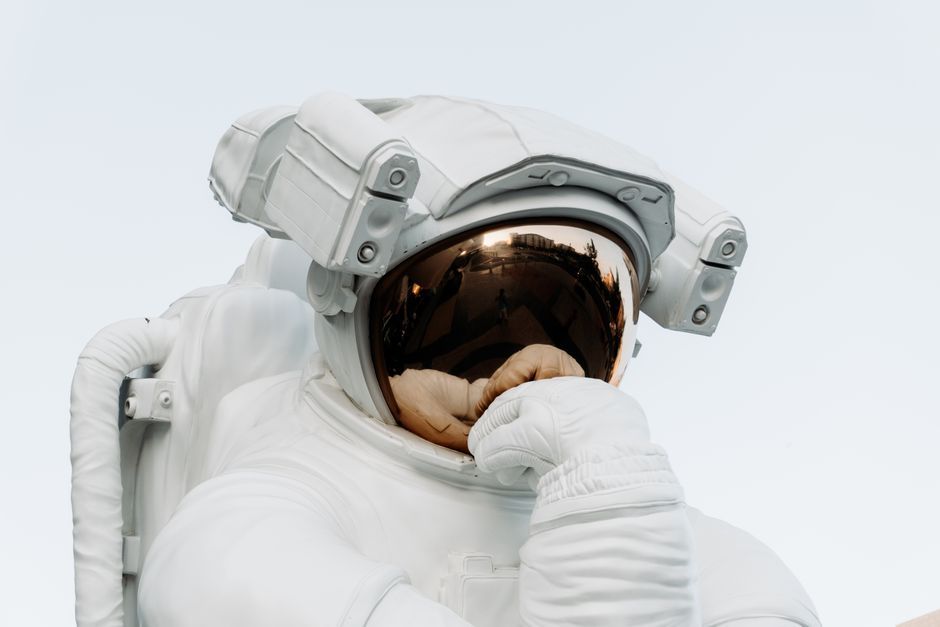
Stock photo for illustration only, not from the actual event
This deployment highlights the expanding and vital role of women in global space exploration. Notably, Jessica Meir previously made history in 2019 alongside NASA astronaut Christina Koch by completing the very first all-female spacewalk.
Extravehicular activity (EVA), commonly known as a spacewalk, remains one of the most hazardous and demanding aspects of human spaceflight, requiring astronauts to endure extreme temperatures, radiation, and orbital debris risks. The success of all-female crews performing complex maintenance tasks underscores a merit-based approach to modern space missions and highlights greater inclusivity in aerospace engineering.
Beyond its symbolic importance, the endeavor marked the 284th spacewalk dedicated to space station assembly, maintenance, and upgrades, as well as serving as the seventh spacewalk conducted this year.
Source: BBC Science & Environment
Found something wrong in this article? Report an issue with this article
Comments
Leave a Comment