

Skovsporet 2026: 3D Printed Student Housing in Denmark
SAGA Space Architects and MS+ Arkitekter complete 36 3D-printed student homes in Holstebro, Denmark, welcoming first students in September.

Stock photo for illustration only, not from the actual event
- Skovsporet features 3D-printed student housing units totaling 36 apartments in Holstebro, Denmark.
- Designed by SAGA Space Architects and MS+ Arkitekter near VIA University College.
- Utilizes a COBOD BOD3 printer with low-carbon FUTURECEM and cement-free MEVOcem for the bicycle shed.
- Preserves 90 percent of existing trees on site and welcomes its first student residents in September.
Skovsporet, designed collaboratively by SAGA Space Architects and MS+ Arkitekter, is a large-scale 3D-printed student housing development situated in Holstebro, Denmark. The project consists of 36 ground-level apartments distributed across six low-rise clusters near VIA University College, combining private living spaces with shared outdoor areas, landscaped gardens, walking paths, and bicycle parking.
The development is structured like a compact student village, positioning individual apartments around communal courtyards and gardens. This layout fosters independent living while encouraging daily social interaction among residents. The buildings blend seamlessly into the existing landscape, with print beds placed carefully between mature trees on the site, allowing 90 percent of the original trees to be retained.
Each apartment functions as a fully self-contained home, integrating a kitchen, study area, lounge, bathroom, and sleeping zone within a compact single-story layout. Large roof windows flood the interiors with daylight, while slanted ceilings enhance the volume of the living spaces. The architectural and material character is defined by a combination of 3D-printed concrete, cork panels, glass, and conventional roofing structures.
Structural elements were printed directly on-site utilizing a COBOD BOD3 printer. The concrete mixture incorporates FUTURECEM, a lower-carbon cement developed by Aalborg Portland, supporting the project's objective to minimize the environmental footprint of construction.
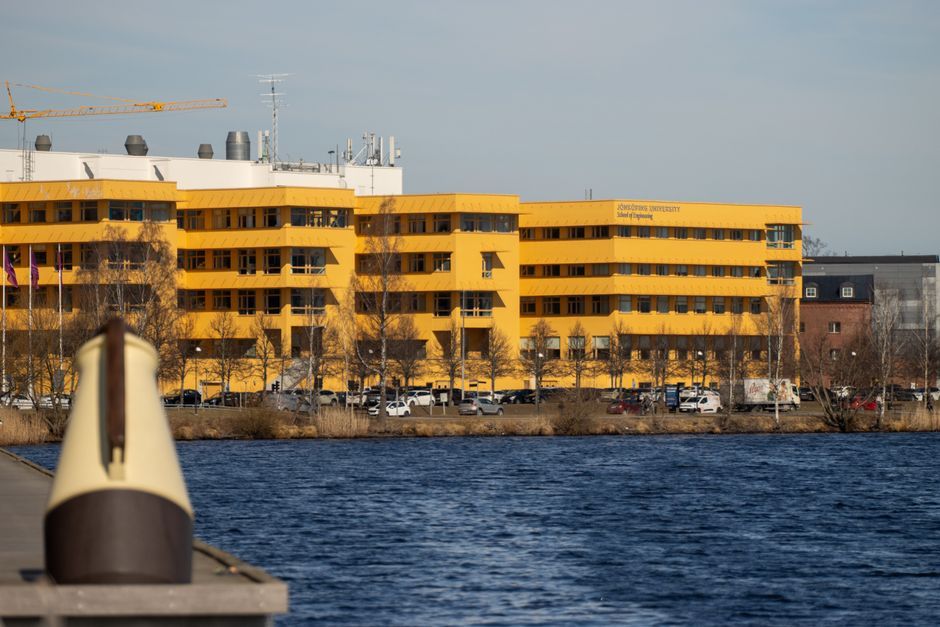
Stock photo for illustration only, not from the actual event
The application of large-scale 3D printing in residential construction demonstrated by Skovsporet highlights a significant step forward in sustainable architectural engineering. Utilizing low-carbon cement formulations like FUTURECEM and zero-cement materials such as MEVOcem not only curtails greenhouse gas emissions but also proves that on-site robotic printing can flexibly adapt to natural site constraints—such as avoiding mature root systems without requiring total land clearance—thus preserving local ecosystems during commercial developments.
The project was delivered under the regulatory and financial guidelines governing subsidized housing in Denmark. By leveraging large-scale 3D printing and refining construction workflows, the development team successfully adhered to a tight budget while fulfilling its design and spatial goals.
With construction now finalized, the 36 apartments are scheduled to welcome their inaugural student residents in September. Furthermore, the project acts as a foundation for ongoing research by SAGA Space Architects and 3DCP Group as they test innovative material compositions and manufacturing techniques for future 3D-printed initiatives.
Source: designboom
Found something wrong in this article? Report an issue with this article
Comments
Leave a Comment